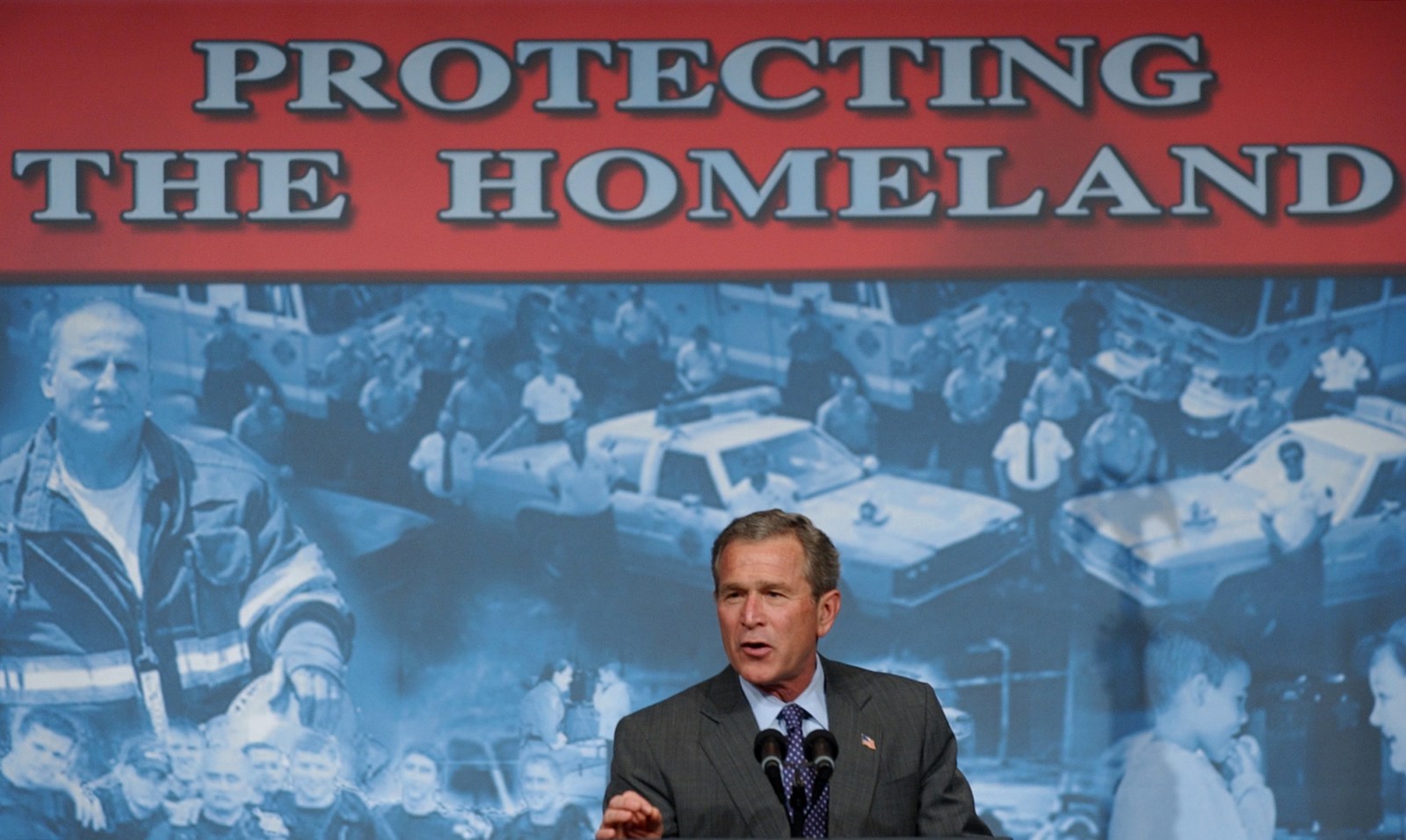
The Patriot Act was enacted 25 years ago, following the September 11 attacks that killed nearly 3,000 people. Signed by President George W. Bush, the act significantly expanded U.S. government surveillance powers. While some powers have been curtailed since, the act still influences American privacy rights. Newsweek examines the current state of the act and the privacy it has affected.
The Aftermath of 9/11 and the War on Terror
The attacks orchestrated by Al-Qaeda targeted the Twin Towers in New York, the Pentagon in Virginia, and another intended target in Washington, D.C. These events prompted the U.S. government to commence the War on Terror, with the Patriot Act playing a central role. It increased access to phone and electronic communications and business records, while removing barriers for information sharing among agencies.
Initial Criticism and Ongoing Concerns
Upon its introduction, the Patriot Act faced criticism for its rapid passage and potential infringement on civil liberties. The ACLU was among those voicing concern, asserting that the powers could invade privacy and suppress free speech. This perspective persists today. ACLU’s Patrick Toomey described the government’s surveillance power as extensive, stressing the urgency of privacy protection as technology evolves rapidly.
Reforming the Act: Legislative Changes
Reforms have brought additional oversight and transparency. New laws have limited mass record collections, but many believe changes remain insufficient to restore constitutional protections. Jennifer Lynch, a digital rights lawyer, argues that legislators are often playing catch-up with fast-evolving technology.
Government’s Stance on Surveillance
Federal agencies claim that reforms have introduced vital safeguards, balancing counterterrorism needs with privacy. Assistant Attorney General for National Security John A. Eisenberg emphasizes the act’s importance for national security, noting that its authorities are crucial across varied security priorities. However, the debate expands with new concerns over ‘backdoor searches’ and the extension of surveillance through legislation like Section 702 of the Foreign Intelligence Surveillance Act (FISA).
Controversy Surrounding Section 215 and Bulk Data Collection
Section 215 allowed the FBI vast access to records, including ‘any tangible things’. This included phone records, which the NSA collected in bulk. The program came to light in 2013 through whistleblower Edward Snowden. A federal appeals court determined that Section 215 did not permit such a program. Though the power expired in 2020, investigations under its prior authority continue.
USA FREEDOM Act and Further Reforms
The USA FREEDOM Act enacted in 2015 curtailed bulk collection, requiring more targeted information requests. It also enhanced challenges to secrecy requirements and bolstered oversight of surveillance practices, including the declassification of significant court opinions.
Section 702 of FISA: Current Concerns
While Section 215 is no longer in effect, experts cite ongoing concerns with Section 702, which facilitates data collection on individuals outside the U.S. Critics argue it inadvertently captures communications of U.S. citizens. Violations have been documented, including improper FBI database searches linked to domestic unrest and protests.
Surveillance in the Age of Technology
Today’s digital world extends privacy debates beyond initial legislation. The presence of advanced technology and social media impacts civil rights broadly. Jennifer Lynch notes how individuals now carry devices that gather vast amounts of personal data, heightening the ease of government surveillance.
With AI aiding surveillance efforts further, advocates like Toomey urge Congress to install robust privacy safeguards, including regulating purchases of location data and the use of facial recognition. Eisenberg affirms the need to balance security with constitutional rights, engaging Congress in ongoing evaluations.
Leave a Reply