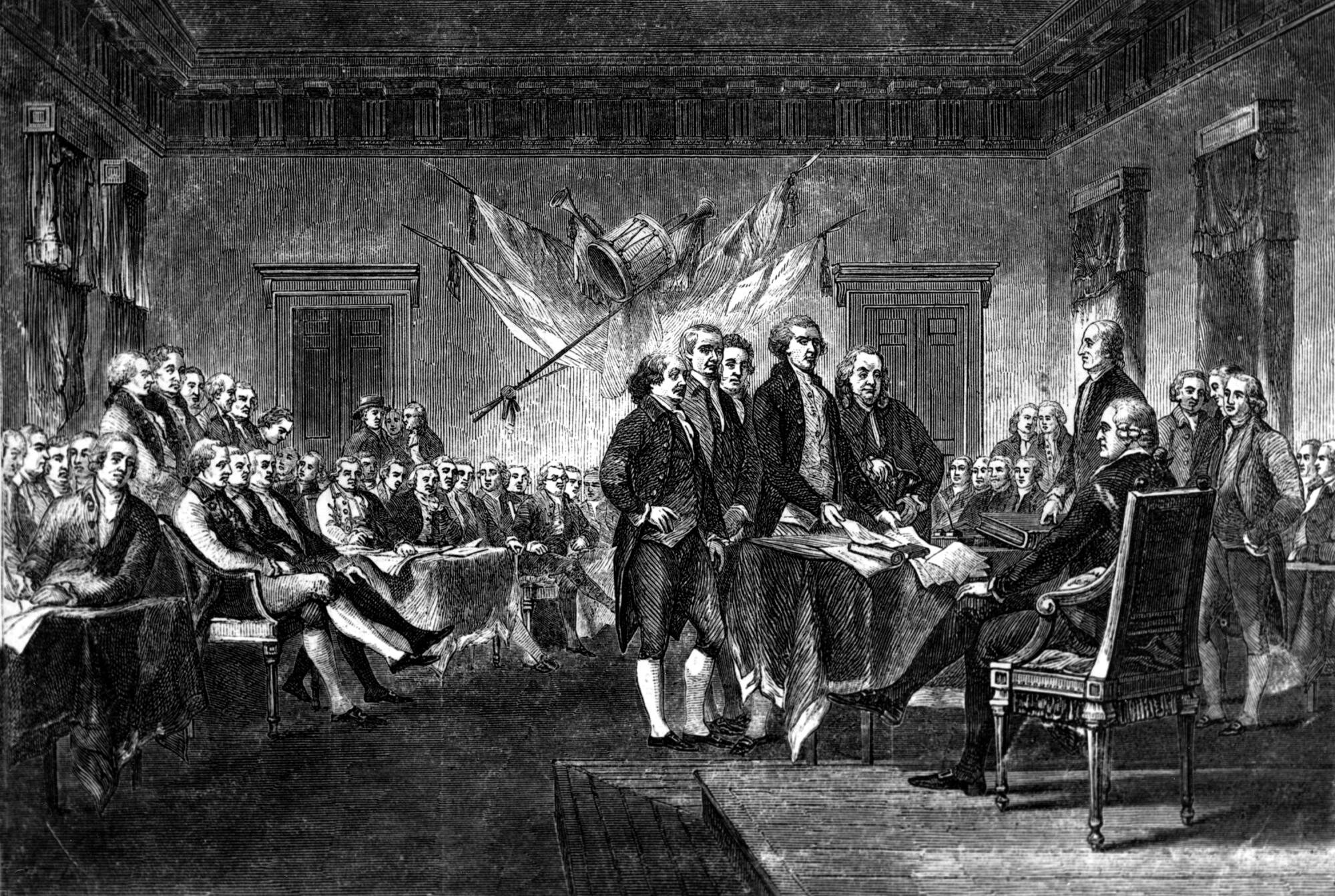
As the original thirteen colonies celebrate 250 years, it’s crucial to recognize contributions made far from their periwigged assemblies. In 1776, California, unbeknownst to many, was a fledgling yet fundamental part of the future United States. Spanish California focused on mission-building, marking the same year notable both in the colonies and California.
On June 29, 1776, while the Continental Congress deliberated the Declaration in Philadelphia, Spanish settlers held a mass in present-day San Francisco’s Bay. This event laid the groundwork for the Mission Dolores and the Presidio, strengthening Spain’s influence.
The presence of the Spanish marked the beginning of profound changes for Native Americans like the Ohlone, altering their way of life forever. The Spanish moved from coastal interactions to more aggressive inland conquests, leading to significant suffering and decline for native populations.
“Dolores,” meaning sorrows, proved prophetic, as native communities faced struggles beyond land loss. — Alec Scott, San Francisco historian
These dynamics foreshadowed a long transformation period. It took roughly 75 years after 1776 for early California’s constitution, influenced by Mexican and Spanish legal traditions, to take shape. Adopted in 1849, California’s constitution was progressive, especially concerning slavery and women’s rights, in contrast to early U.S. statutes.
During the 19th century, Spain’s empire fragmented, with Mexico gaining independence in 1821. Mexico’s constitution explicitly banned slavery, a position driven by ethical concerns and pressure from U.S. slaveholding neighbors.
Texas’s departure from Mexico reflects the complexities surrounding slavery in North American politics. Calls for freeing enslaved individuals were met with harsh conditions, reflecting ongoing exploitation despite legal prohibitions.
When California’s constitution took effect in 1849, it prohibited slavery. The state joined the Union as a free state shortly after, influencing the national discourse on slavery. Women in California, however, still lacked voting rights, though they enjoyed property rights previously uncommon under U.S. law.
This principle contrasted sharply with coverture laws in the eastern U.S., which excluded married women from having independent property rights.
California’s Constitution extended voting rights to white males, a status inclusive of Mexican Americans choosing U.S. citizenship. Yet defining “white” was nuanced and contentious, given the racial complexity of California’s population.
Pio Pico, known for his mixed heritage, exemplifies this racial ambiguity. Hayes-Bautista highlights ongoing challenges in defining Latino identity within rigid racial frameworks prevailing in census practices.
California also introduced revolutionary water laws, rooted in Spanish and Mexican practices. Riparian rights established landowners’ limited water use, contrasting with diversion practices of the ’49ers, leading the state to adapt its water rights accordingly.
While Eastern states had excess water, California’s scarcity underscored the ongoing importance of these laws, exacerbated by climate change concerns today.
Since 1849, California’s constitution has evolved significantly. Although bilingual mandates were rescinded, many of its original progressive elements have found national acceptance, shaping modern America’s legislative framework.
Leave a Reply