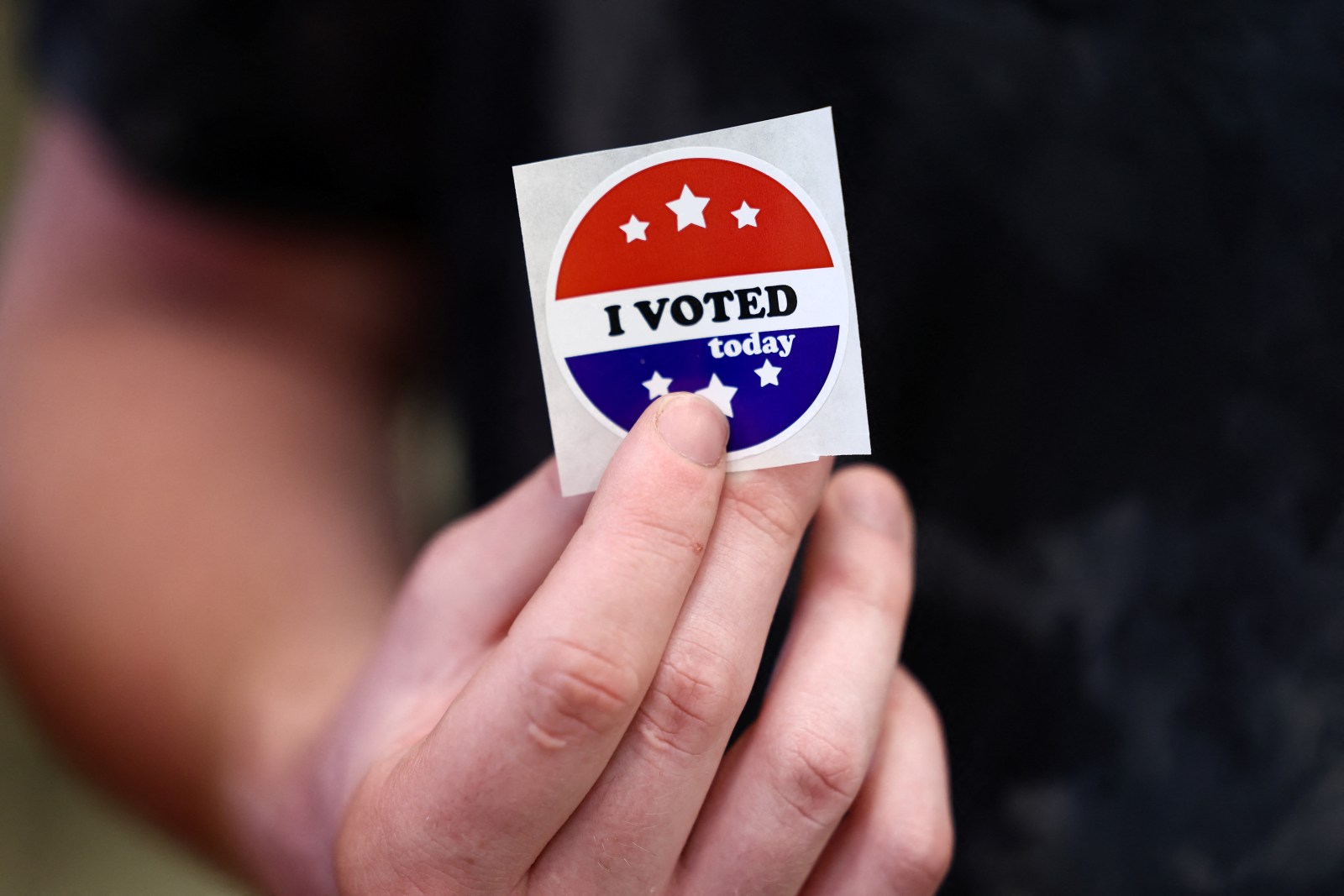
Political campaign staff across the country are preparing for November 3 midterm elections with a mix of optimism and caution. While candidates might celebrate or console themselves, nonpartisan organizations are focusing on voter turnout. Key questions remain about whether Americans will vote in large numbers, if records will be set, and how many eligible voters will be overlooked.
Many communities are routinely ignored by political campaigns, living in what are termed ‘civic deserts.’ These areas often have low historical voter participation. Campaigns frequently use microtargeting techniques, engaging primarily with those predicted to vote, often neglecting lower-income communities without a strong voting history.
Campaigns that briefly engage with these communities will move on, potentially skipping them in upcoming elections. This cycle of neglect leads to a lack of voting participation, reinforcing the tendency of campaigns to ignore these voters in subsequent elections.
Nonprofit organizations play a crucial role by engaging non-voters, especially in communities with low political outreach. They focus on overcoming structural barriers such as ID requirements and language issues.
For instance, data from Rutgers highlights that in 2024, 15.6% of disabled individuals who did not vote lacked necessary assistance. Among those who voted, 16.4% encountered difficulties, almost double the rate of non-disabled voters. With 40.2 million Americans with disabilities eligible to vote, their exclusion is significant.
Work conflicts also hinder voting for those unable to miss shifts. Nonprofits can mitigate this by promoting early voting and mail ballot options, offering flexible voting solutions.
Young nonvoters also face neglect; 59% of nonvoters aged 18 to 34 reported no contact from campaigns post-2024 election. These potential voters might benefit from guidance but are frequently overlooked.
Campaigns operate under resource constraints, prioritizing known voters to maximize winning chances. But relying on past participation to drive outreach means overlooked voters remain disconnected.
Community organizations stand ready to address these issues year-round. Unlike campaign efforts that cease post-election, non-profits offer continuous support, emphasizing sustained voter education and assistance.
After November 4, analysis will focus on election winners, effective messages, and voter turnout. Yet, communities ignored by campaigns will still exist. It’s crucial to consider how many eligible voters were excluded before Election Day and to ensure they aren’t sidelined in future elections.
Brian Miller, executive director of Nonprofit VOTE, emphasizes enhancing support for community organizations to fill the gaps left by transient campaign efforts.
Leave a Reply