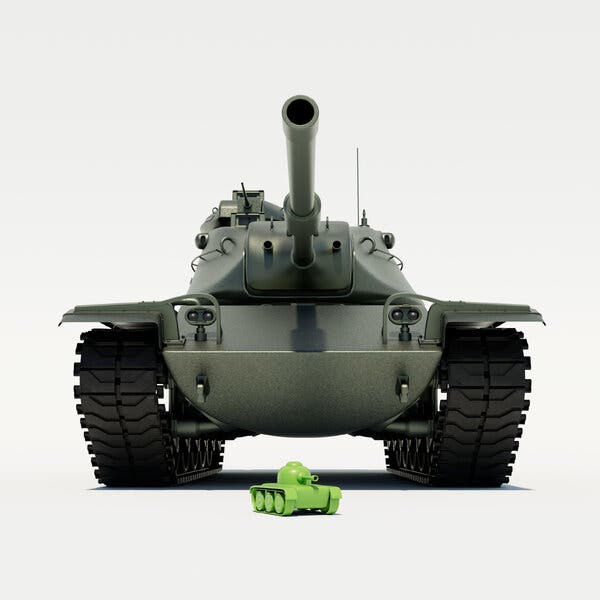
Small states can sometimes experience a unique predicament when they are under the protection of powerful nations for too long. This protection can make them both highly capable in military terms but also careless in strategic planning. They become proficient in the use of force yet fail to fully grasp the consequences. These nations adopt the outward appearance of sovereignty without bearing its full responsibilities. This happens because the expenses associated with that sovereignty are often covered by their powerful patrons through military aid, diplomatic support, and international backing.
Israel is an example of a nation affected by such a condition. Its recent military action against Iran, conducted in partnership with the United States, aimed to assert Israel’s dominance in the region. However, this campaign might later be viewed as highlighting Israel’s strategic limitations. Although Iran’s infrastructure was attacked, its nuclear ambitions remain intact and its leadership continues to govern. Instead of transforming Iran, Israel might now contend with a more resilient adversary.
The memorandum of understanding signed by the United States and Iran last week seeks to deescalate tensions according to their terms, illustrating the shortcomings of Israel’s strategic gains. While Israel can engage in military operations with the United States, it lacks the influence to define their conclusion. This limitation is a crucial aspect of Israel’s situation. While it has demonstrated its capability to strike Iran and cause damage, reaching a target is not equivalent to achieving a conclusive solution. Israel’s predicament continues to involve strategic uncertainties, diplomatic isolation, and a reliance on the United States that runs deeper than its leadership might be willing to admit.
For years, Israel has championed the concept of self-reliance as part of its national identity while relying heavily on the framework of American support. Its leaders have consistently assured that the country could defend itself independently. However, this stance is underpinned by American military supplies, intelligence sharing, quick resupply of arms during conflicts, and an annual $3.8 billion in U.S. military assistance. As Israel’s dependence grew, it increasingly emphasized its narrative of standing alone.
Leave a Reply