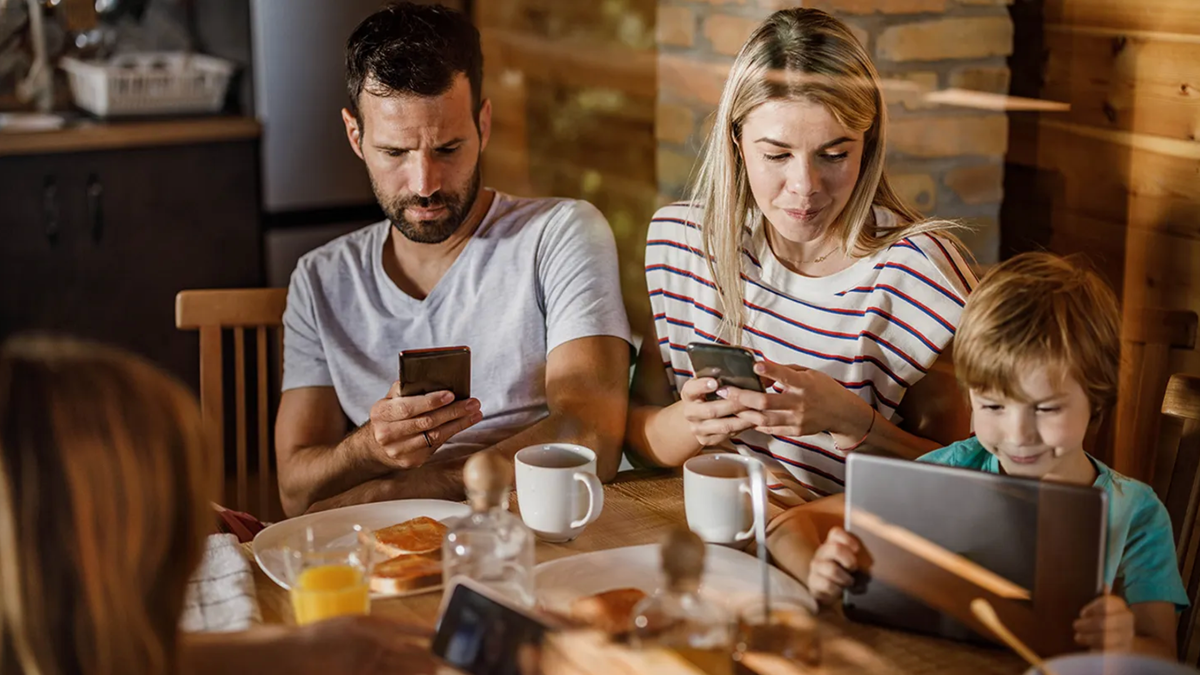
With various diet plans, food intolerances, and different work schedules, some couples are opting for ‘food divorce.’ This term, gaining traction on social media, refers to partners who choose to prepare, order, and consume their meals separately.
While going separate ways at mealtime can ease logistical challenges, experts caution that this habit could negatively affect the relationship. Health institutions such as the Mayo Clinic highlight that shared meals help individuals reconnect, build stronger emotional ties, and alleviate stress. For couples, eating apart consistently might indicate emotional distance or decrease opportunities to spend meaningful time together.
A Missed Opportunity
Nutrition experts stress that the problem often lies in missed opportunities for daily connection rather than the food itself. Registered dietitian nutritionist Tanya Freirich, based in North Carolina, noted the growing trend stems from hectic schedules.
“Mealtime can be a time to unite, communicate, and foster social relationships,” Freirich stated. “Eating completely alone or at separate times may lead to disconnection.”
This habit can lead to a ‘roommate dynamic.’ Without regular chances to catch up and discuss the day, communication may dwindle. Freirich also warns of the potential for increased isolation.
“Communities worldwide have gathered around meals for thousands of years,” she noted. “If many Americans eat alone frequently, it can’t be beneficial for mental health or well-being.”
Practical Concerns and Solutions
There are practical issues to consider. Preparing individual meals or ordering from different places can raise grocery bills, preparation time, and cleanup effort. Eating solo also affects dietary habits. Studies reveal individuals dining alone tend to eat faster, engage in mindless phone scrolling, or settle for processed convenience foods more than those sharing meals.
Freirich suggests accommodating varied dietary preferences without completely separate meal preparations. For those with specific dietary needs, she recommends creating modular meals like deconstructed taco nights, grain bowls, or pasta dishes. This method allows customization to meet different nutritional goals.
Research indicates that nearly one in four Americans eats alone daily, heightening isolation risk. When clashing schedules or caregiving duties hinder daily dinners, experts suggest prioritizing quality time. A shared weekend breakfast or a designated night each week can maintain connection.
Freirich advises intentional connection when possible. “Make meals special by putting phones away and enjoying each other’s company.”
Khloe Quill contributes as a lifestyle writer for Fox News Digital, covering topics like food, travel, and health.
Leave a Reply