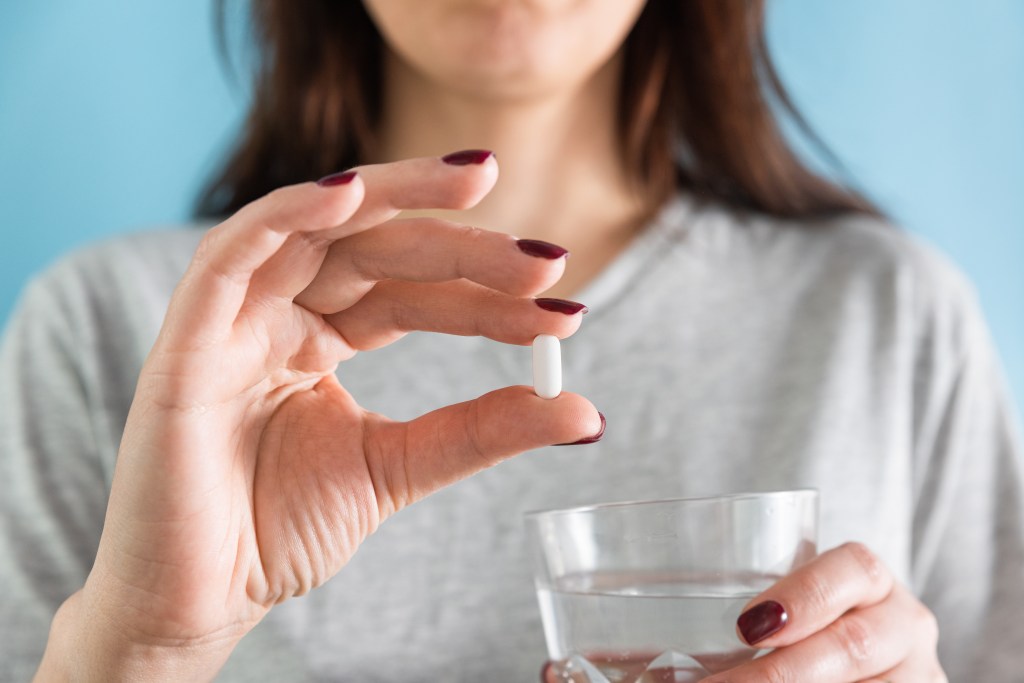
Efforts to maintain a healthy hairline could pose additional risks. Over 80 million Americans face hair loss, with many opting for supplements to maintain strong, thick hair. Nonetheless, pursuing a fuller head of hair involves some significant risks. A popular vitamin thought to promote hair growth can disrupt certain blood test results, potentially concealing serious health conditions and delaying critical treatment.
Dr. Navin S. Arora, a board-certified dermatologist specializing in hair loss treatment, emphasized the gravity of this issue, noting that it’s often overlooked in patient safety discussions. Experts warn that biotin, or vitamin B7, a widespread ingredient in hair growth supplements, can interfere with vital blood tests.
Biotin is found in multiple foods like beef, poultry, egg yolks, nuts, sweet potatoes, and avocados. It is also available as pills or gummies, consumed by many to enhance hair growth. However, these supplements often contain 5,000 to 10,000 micrograms of biotin, greatly exceeding the daily adult requirement of roughly 30 micrograms, according to Aurora.
Dr. Maria Pino, a registered pharmacist and associate professor at New York Institute of Technology College of Osteopathic Medicine, pointed out that since biotin is available over-the-counter, users might assume it’s safe and might not consult healthcare professionals before beginning supplementation.
Impact on Blood Tests
High biotin intake can interfere with routine bloodwork and specific condition tests. Some blood tests rely on biotin during their chemical analysis, as explained by Arora. Excessive biotin from supplements can disrupt these processes, leading to either misleadingly high or low results. Such inaccuracies can suggest nonexistent problems or obscure real issues.
Biotin’s interference is particularly troubling with cardiac troponin tests, which help diagnose heart attacks. Consuming large amounts of biotin may cause troponin to appear falsely low, delaying diagnosis. Additionally, biotin can result in falsely low thyroid-stimulating hormone levels and falsely elevated thyroxine and triiodothyronine hormones, suggesting hyperthyroidism. Other affected tests assess vitamin D, calcium regulation, and reproductive hormones. Biotin also affects tests for infections like hepatitis B, hepatitis C, and syphilis, as well as cancer markers, including the prostate-specific antigen.
Not all tests, however, are impacted by biotin. Routine complete blood counts (CBC) and most metabolic panels—evaluating electrolytes, liver, and kidney function—generally do not rely on biotin-based testing, reducing the risk of erroneous results.
Considerations for Biotin Use
Pino advises consulting a healthcare professional before starting any supplement. If already taking biotin, inform your doctor of your dosage prior to lab visits. Consuming the recommended biotin dosage, less than 1,000 micrograms per day, should minimally interfere with tests.
The FDA has cautioned that high-dose biotin supplements can disrupt blood tests for diagnosing heart attacks and thyroid conditions. Pino recommends leaving at least eight hours between ingesting biotin and bloodwork, though 72 hours is preferable. If faced with a medical emergency, do not delay seeking care to clear biotin from your system.
Overall, reevaluating the use of biotin might be wise. While historically recommended for brittle nails and thinning hair, there’s inadequate evidence supporting its benefits for those without a deficiency, said Arora. True biotin deficiency remains rare among individuals with balanced diets. For those seeking additional hair care without affecting blood tests, biotin-free products are increasingly available. Companies like Xtressé, Lemme Grow, and Nutrafol offer biotin-free hair-growth solutions.
“Avoiding added biotin that could interfere with blood testing appeals to me,” stated Arora. “Finding and treating the underlying cause of hair loss remains the priority.”
Leave a Reply