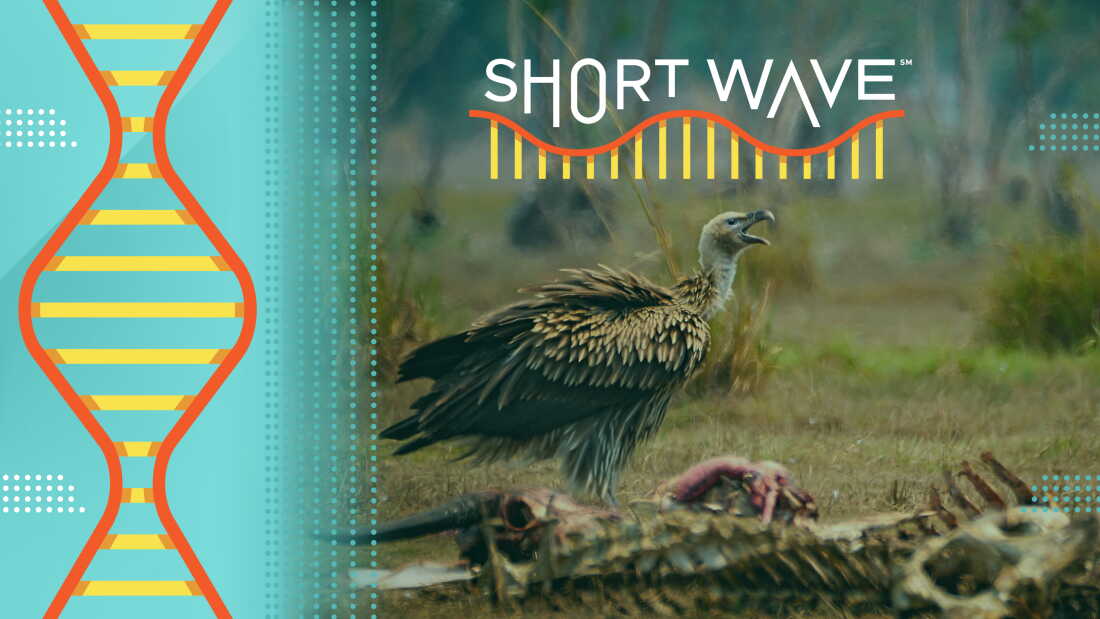
Hundreds of species of scavenging animals around the world are facing declines or are at risk of extinction. These animals, which primarily consume decaying animal carcasses, play a crucial role in maintaining ecological balance. However, their dwindling numbers present a significant concern for human health.
Research conducted by scientists highlights the connection between the decline of scavengers and potential negative impacts on human health. Jonathan Lambert, an NPR science reporter, has explored this relationship extensively. He examines how the reduction in scavenger populations may increase the occurrence of certain human diseases.
Scavenging animals such as vultures, hyenas, and various birds play a vital part in ecosystems by controlling the spread of disease. As they consume dead animals, they help to prevent the proliferation of pathogens that might otherwise affect humans and other wildlife.
The conservation of these species becomes imperative to prevent adverse health outcomes in humans. Protecting scavengers can aid in reducing the emergence of diseases by ensuring that animal carcasses are processed naturally and effectively.
For further insight into the relationship between scavengers and human health, listeners can explore Jonathan Lambert’s comprehensive coverage on the topic. His findings point to the pressing need for conservation efforts that can safeguard both scavenger populations and human health.
You can catch more details on related topics, such as the science behind skincare products, by sending inquiries to [email protected]. Additionally, listeners can enjoy ad-free episodes of Short Wave and support NPR’s work by subscribing to Short Wave+ at plus.npr.org/shortwave. The podcast is available on platforms like Spotify and Apple Podcasts.
This episode was produced by Berly McCoy, and the editorial process included reviewing and fact-checking by Rebecca Ramirez and Tyler Jones. Jimmy Keeley served as the audio engineer.
Leave a Reply