The United Nations General Assembly in New York often receives criticism for its lack of tangible results. Meanwhile, The David Network hosted an event discussing the Pentagon’s Office of Strategic Capital (OSC) and its initiatives. The David Network connects conservative students and professionals with technology, finance, public policy, and defense sectors. In contrast to the UN’s symbolic gestures, the OSC works on practical strategies to strengthen U.S. defense.
Having worked with President Donald Trump for many years, I understand his rapid and comprehensive approach to problems. While the OSC was not his creation, Trump invigorated its operations. He transformed a previously idle office under the Biden administration into an essential tool for maintaining U.S. technological superiority.
OSC’s Mission and Achievements
Modern warfare heavily relies on evolving technologies. The OSC ensures the U.S. remains competitive in crucial industries like satellites, semiconductors, software, and more. The office identifies critical technologies that must remain domestically controlled, encourages private investment, and offers technical support to relevant companies.
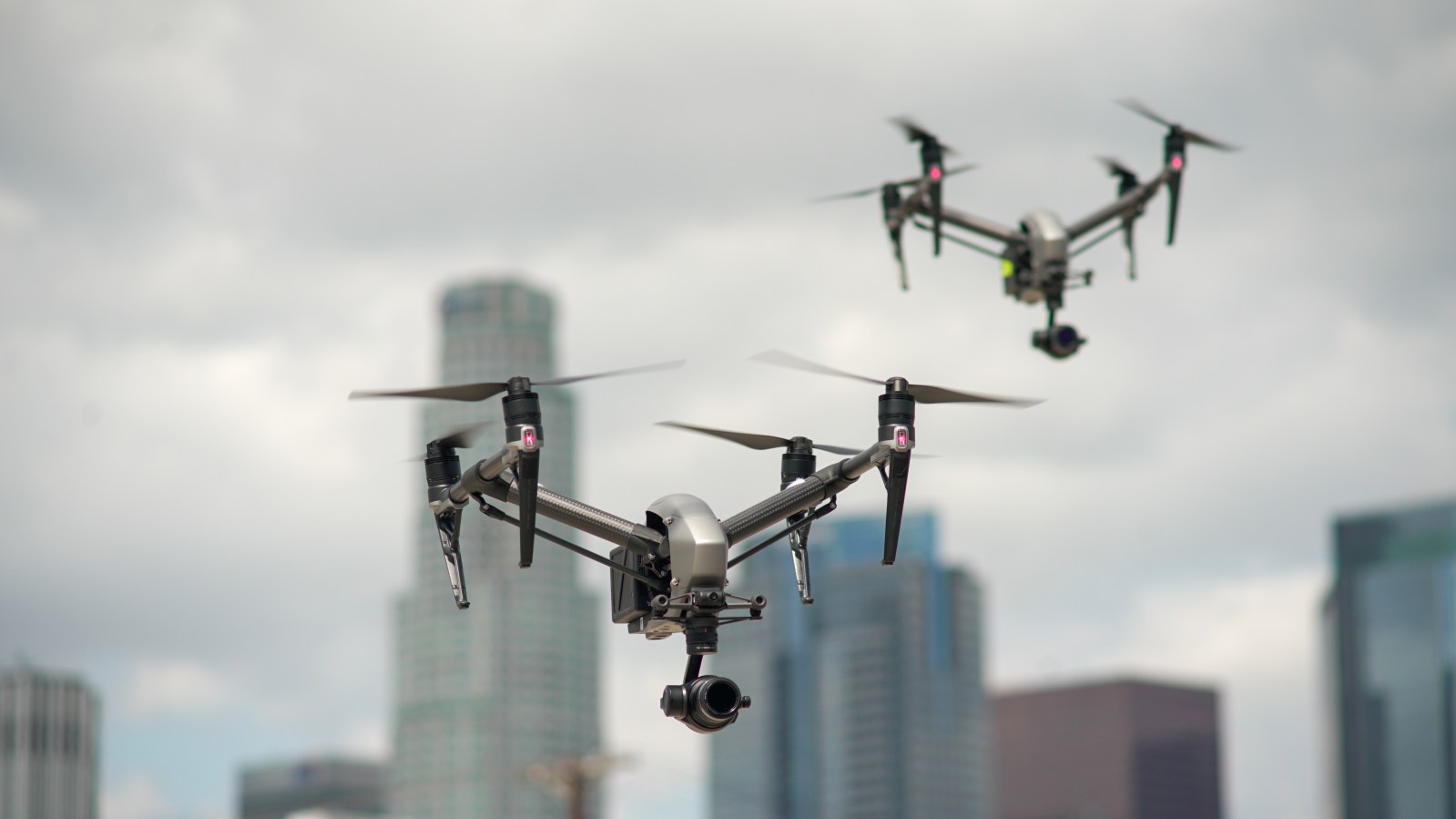
OSC’s collaboration with private investors has resulted in significant projects. For instance, a $150 million loan was provided to MP Materials to enhance rare earth separation in California, reducing dependency on China’s processing capabilities. Similarly, a conditional loan of up to $820 million to Performance Drone Works aims to advance U.S. drone manufacturing.
OSC’s proactive approach to understanding barriers faced by private sectors contrasts with traditional government stances. By addressing these bottlenecks with humility and determination, OSC fosters a more competitive and innovative defense marketplace.
Changes in Procurement Strategies
The Pentagon has shifted its procurement strategies, moving from annual purchases to longer-term agreements. These changes enable suppliers to plan effectively, scale operations, and strengthen the industrial base. A notable example is the seven-year deal with Lockheed Martin to significantly boost the production of Patriot PAC-3 interceptors.
Some media narratives critique the use of interceptors in the conflict with Iran. However, these weapons are designed for use, and increasing production ensures the U.S. can maintain defense capabilities.
Strategic Involvement and Long-term Impact
The OSC’s strategy involves continuous engagement with companies beyond initial funding, reflecting the behavior of serious investors. This model aligns with President Trump’s expectations for government operations.
While the UN continues its traditional proceedings, OSC’s dedicated efforts enhance U.S. and allied security. This comparative effectiveness highlights a clear contrast in operational impact.
Leave a Reply