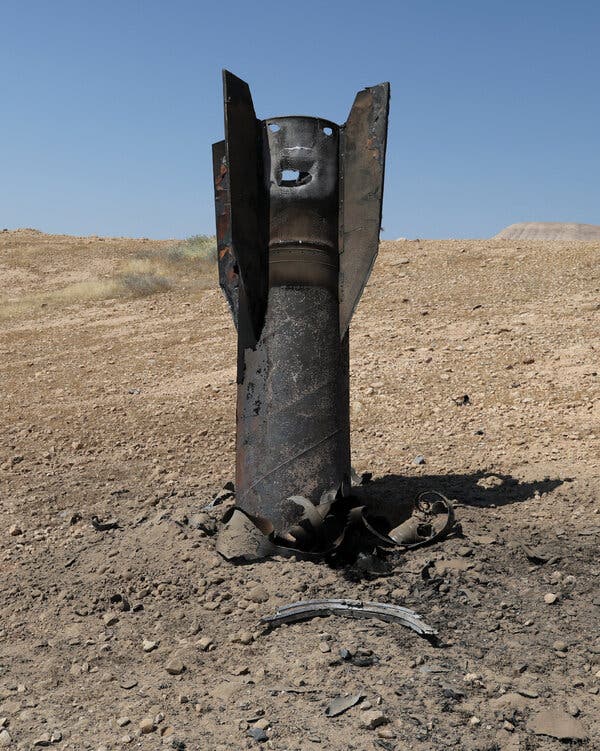
In early March, American warplanes launched attacks in Iran, aiming for a swift victory. President Trump announced the start of a decisive campaign, claiming major progress toward military objectives. However, after three months, goals remained unmet. Despite heavy expenditures, including $29 billion, the regime in Tehran stood firm.
Iran retained much of its military capabilities, showcasing resilience. The conflict underscored the U.S.’s failure to secure an unconditional surrender, resulting instead in a fragile truce. This exposed weaknesses in the military-industrial base, raising concerns among analysts.
The war inflicted significant damage: a blockade halted Iran’s oil trade, and airstrikes devastated much of its air force and navy. Over 13,000 targets were hit, but Iran’s determination remained intact. Intelligence reported retaining 70% of its missile stockpiles.
After the U.S.-Israeli strikes killed Ayatollah Ali Khamenei, his son, Mojtaba, quickly took power, maintaining the regime’s control. Despite the devastation, Iran’s leadership proved resilient, unwilling to yield to external pressures.
Leave a Reply