The United States remains engaged in a prolonged confrontation with Iran, a situation prevailing for decades. Now, there is a chance to significantly impact Iran’s quest for regional dominance and its ongoing threats to U.S. interests.
Recently, President Donald Trump implemented policies that apply economic pressure on Iran. The Treasury Department introduced considerable measures hindering Iran’s oil revenue access. Among these steps, sanctions were applied to Chinese, Indian, and other oil brokers and tanker operators. The focus extended to those behind Iran’s “shadow fleet” and illegal financial operations.
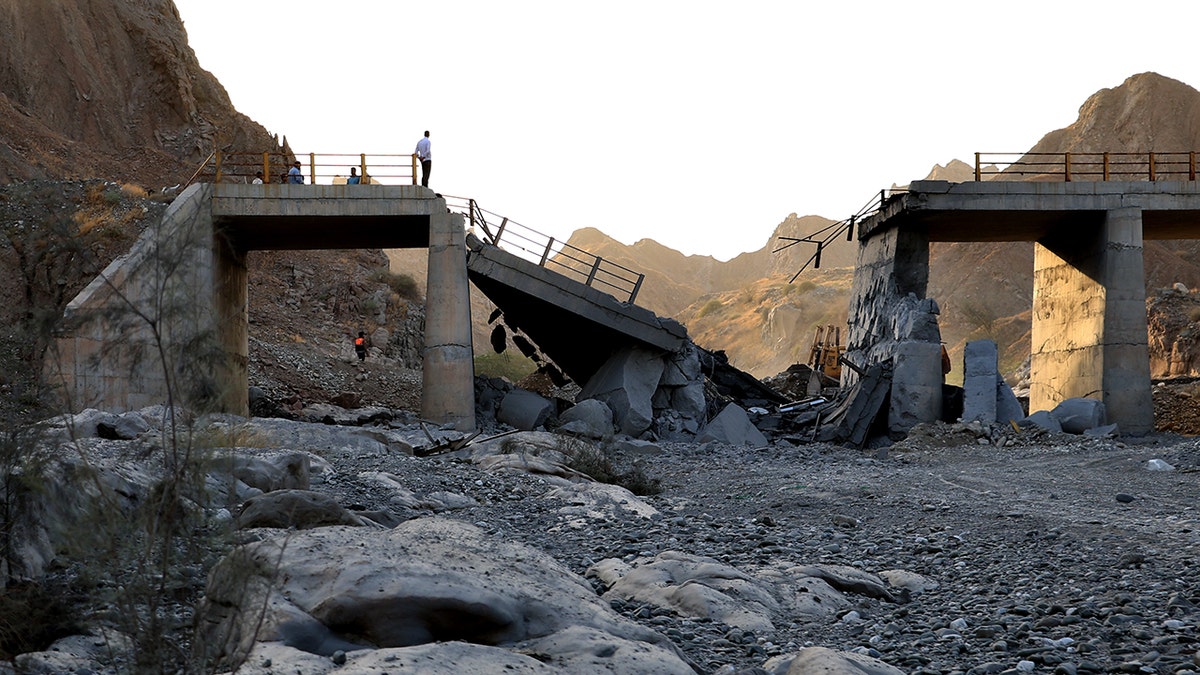
America’s economic actions are reinforced by a U.S. Navy blockade of Iranian ports. This operation involves over 20 warships and numerous aircraft, costing Iran millions each day in revenue. The “maximum pressure” approach also includes large-scale air strikes targeting the Islamic Revolutionary Guard Corps (IRGC) and other military sites in Iran. This strategy aims to keep Tehran’s regime unstable while intermediaries strive for enduring peace agreements.
Ongoing diplomacy involves Iran’s neighbors, affected by Iranian missile and drone attacks. However, Iran’s refusal to open the Strait of Hormuz even after a ceasefire agreement highlights the challenge of achieving lasting peace diplomatically.
The IRGC, mostly controlling Iran, is likely to breach any agreement, as seen in years after the 2015 nuclear deal. The “maximum pressure” campaign’s core lies in its impact on the Iranian regime. The already fragile Iranian economy suffered further from joint U.S.-Israel air campaigns, inflicting significant economic damage.
Poor economic management and rampant corruption by IRGC officials led to frequent Iranian protests since 2018. Earlier this year, numerous civilians died when Iran’s then-leaders ordered the military to suppress protests nationwide. The regime continues executions and uses fear to deter further protests.
Iran faces internal chaos, with Supreme Leader Ayatollah Ali Khamenei and senior military leaders killed. The IRGC appears to control governance amid tension with civilian government figures seeking a U.S. agreement.
Sanctions targeting global oil brokers and Iran’s illicit financial networks instill fear among Iran’s ruling class. The Mossad’s infiltration of Iran’s security and ability to target officials contribute to governmental instability.
The timing of potential future Iranian uprisings remains uncertain, although economic pressures heighten tensions. Continued military and covert pressure, along with activist support, could accelerate regime change. Trump’s administration positions itself to influence the Middle East’s future significantly.
Ludovic Hood, a former U.S. diplomat with Middle Eastern experience, is now a senior fellow at the Hudson Institute.
Leave a Reply