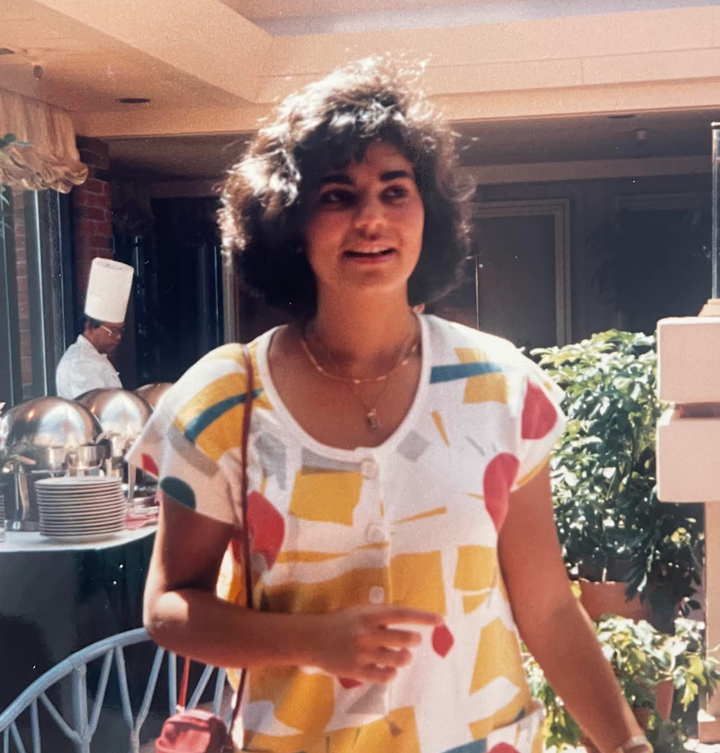
In my late 40s, a profound sense of unease set in. Whether it stemmed from loneliness, a void feeling, or true depression was unclear. It seemed to be a mix of all three. My teenagers had grown more autonomous, indulging in their own activities and needing little from me. My husband remained engrossed in his career, and despite his supportive attempts, he struggled to pull me back from this engulfing dark mood. I found myself at a loss, unable to overcome each minor hurdle without succumbing to tears. Gradually, I felt estranged from my own identity.
After a day consumed by these feelings, spent lying in bed pondering the emptiness I felt, I reached out to a childhood friend. We’d known each other since I was 14 years old, and she answered immediately.
Hey, it’s me,
I said, my voice trembling.
Concerned, she replied,
What’s wrong?
I feel empty when I wake up, numb and lost. I can’t explain it, I whispered.
Firmly, she stated,
We’ll get through this. You’re coming over this weekend.
Her home was in San Francisco, while I lived in Vancouver. I hesitated at first,
I can’t just drop everything and fly out,
I protested.
However, she insisted with the authoritative tone that had often bolstered me during our 30-year friendship, declaring that this was happening. I realized how desperate I had become and recognized the need for change.
Shortly after, as we planned my visit, she invited another high school friend to join us. This friend possessed an uplifting presence, capable of bringing laughter even amidst troubles.
During that weekend, we gathered around her kitchen table, talking deep into the night. I expressed the complex emotions overwhelming me and shared my struggles. Together, they crafted a plan for me to return part-time to work, rediscovering purpose in gradual steps. With the aid of therapy and effort, I eventually climbed out of that dark place.
Reflecting on the experience, I realized that the real impact came not from their advice, but from their willingness to disrupt their schedules to support me. Such deep friendships had not always been part of my life story.
In 1979, at the age of eight, my family fled Iran amid revolution. We drifted across countries, making close friendships an impossibility. Each budding connection was severed by another move, leading to a life of instability. Designated a “third culture kid” as defined by sociologist Ruth Hill Useem, my life was ever-changing, fostering a perception of oddity.
By age 12, I had attended about a dozen schools, stumbling through unfamiliar halls among childhood friends with shared histories. Few reached out to the peculiar, new immigrant girl.
I longed for the friendships depicted in American media, where girls shared lifelong bonds, secrets, and joy.
The turning point arrived at 14 when my parents enrolled me in a girls’ boarding school in California. There, for the first time, was an opportunity to be with others who felt out of place. We rebuilt our lives together, sharing tales, sorrows, and wins. A deep sense of knowing emerged, unlike anything before.
The friendships formed during those critical years have grown as significant to me as my marriage. Yet society often fails to acknowledge these connections. While romantic relationships receive wide acclaim through observances of anniversaries, friendships find little space in such cultural recognition.
Rachel Goldman, a clinical assistant professor of Psychiatry at NYU, noted, Romantic relationships often symbolize wellness, yet friendships offer comparably potent mental health support.
This societal oversight is glaring, considering friendships’ profound roles. The Harvard Study of Adult Development underscores their significance. Since 1938, it revealed that good relationships rise above material wealth, fame, or genetics in contributing to a long, fulfilling life. Friendships cushion against stress, embolden purpose, and reduce chronic health risks.
Even one or two close friends can create a profound well-being impact. Goldman advises, Invest in relationships making you feel authentic; they allow genuine being, void of pretense.
Despite the focus on careers or familial roles, friendships are deeply resilient, combating distorted thinking and affirming our shared burdens.
Envision honoring friendships like romances, possibly celebrating longevity with dinners or adventures. Small gestures suffice, genuine companionship nourishes the most.
When my friends embraced me amid life’s darkness, they reminded me of the person I was before becoming a wife or mother. These friendships proved indispensable, deserving more than leftover time.
Rebecca Morrison authored “The Blue Dress,” highlighted for Read Across America 2026-2027. Her novel explores themes of body image, complex family dynamics, and immigrant experiences, reflecting her life.
Leave a Reply