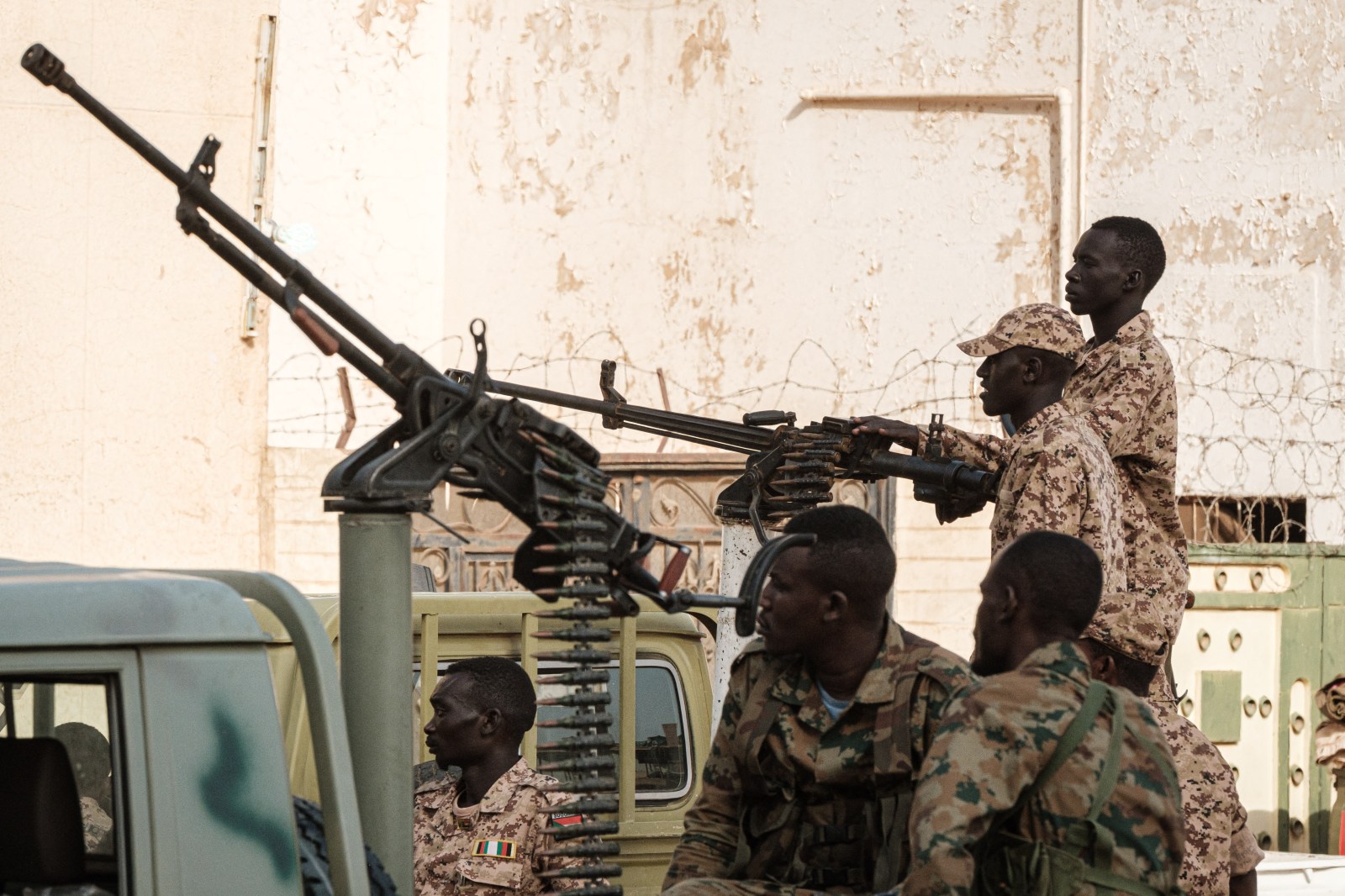
The conflict in Sudan is escalating, particularly along the central front line. This not only disrupts international peace efforts but also worsens the global humanitarian crisis. Resolving the conflict is crucial for moral, humanitarian, and strategic reasons. It could also reshape perceptions of Trump’s peacemaking history. However, the United States must intensify its actions.
The U.S. has attempted to hold the Sudanese Armed Forces (SAF) accountable by targeting their supply and financial networks with sanctions. It is now necessary to apply similar pressure on the Rapid Support Forces (RSF). Designating RSF as a Foreign Terrorist Organization (FTO) would hinder their weapons trafficking operations linked to the Emirates and demonstrate a U.S. commitment to peace.
Recent developments on the battlefield offer a chance to persuade RSF to alter their negotiating stance. The ongoing stalemate has weakened their patronage system, forcing them to choose between military escalation or negotiations. RSF opted for military action, launching a new front in southeastern Sudan in 2026. They focused their efforts on El Obeid, the SAF headquarters, using reinforcements and drone strikes to partially besiege the city.
However, SAF has countered these advances, taking control of key supply lines and alleviating pressure around El Obeid. These gains could potentially allow future SAF offensives against RSF-controlled regions in Western Sudan.
Ending the conflict in central Sudan is crucial for humanitarian reasons.
International bodies, including the U.S., have expressed concerns about escalating violence and war crimes, especially in El Obeid. RSF continues to employ siege tactics and target civilians, infrastructure, and humanitarian resources. Despite recent SAF successes, RSF maintains a stronghold around El Obeid.
RSF’s financial resources are depleting, leading their leader Mohamed Hamdan Dagalo—known as Hemedti—to permit field commanders to initiate attacks. This has unleashed poorly disciplined fighters who commit atrocities against civilians, including sexual violence and mass killings.
Stability in Sudan aligns with U.S. interests, given the region’s strategic importance. Various actors have taken advantage of the civil war to expand their influence in the Horn of Africa and Red Sea. Islamist factions have gained a foothold within SAF, and smuggling networks tied to Yemen and Sudan are thriving.
Designating RSF as an FTO is vital. It’s supported by bipartisan congressional calls and addresses previous humanitarian concerns. This action would disrupt the networks fueling RSF’s capabilities, and it offers the UAE a chance to cease support before sanctions are imposed.
Increasing pressure on RSF, rather than solely focusing on SAF, is necessary for lasting peace. An FTO designation would signal goodwill between SAF and the U.S., facilitating mediation efforts. After the civil war, maintaining SAF’s structure, despite its flaws, is essential to prevent state failure. Conversely, RSF is viewed as unfit for any postwar role.
SAF is distancing itself from Islamist influences and rejecting major collaborations with Iran and Russia. The U.S. and its allies need to learn from past errors. Failing to act would mean sacrificing Sudanese lives and U.S. interests to maintain relations with Abu Dhabi. Such inaction would be both a moral failing and a strategic misstep in countering influences from Islamists, Iran, and Russia.
Liam Karr and Michael DeAngelo from the Critical Threats Project at the American Enterprise Institute express these views. Their interpretations stand as their own.
Leave a Reply