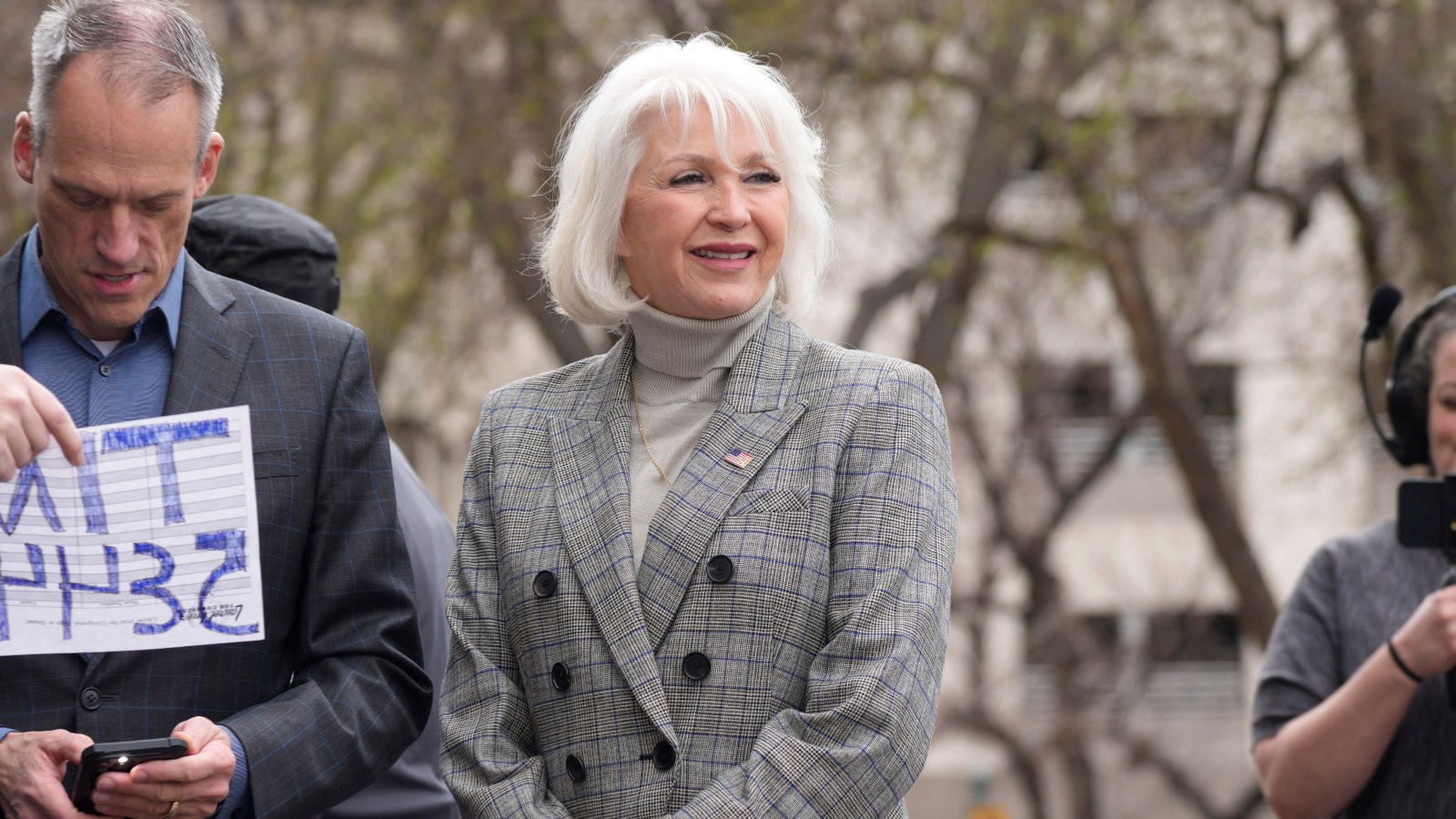
Former Colorado county clerk Tina Peters, recently released from prison, quickly reignited political tensions by stating that Democrats “will cheat.” Her comments, made after her sentence was commuted by Governor Jared Polis, highlight the ongoing national divide over the 2020 election results. Despite audits and court rulings affirming the election’s legitimacy, Peters continues to challenge it. Her release has drawn criticism from state officials concerned about emboldening election denial efforts.
Tina Peters’ Remarks Post-Release
Peters, appearing on Steve Bannon’s War Room, expressed belief in Democratic cheating. She suggested her imprisonment was retribution for addressing this issue. Governor Polis, a Democrat, had commuted her nine-year sentence, describing it as excessively long for a first-time nonviolent offender.
Background on Tina Peters’ Conviction
Peters, a Republican and former Mesa County clerk, was convicted in 2024 for actions related to breaching election system security after the 2020 election. She allegedly facilitated unauthorized access to voting equipment, collaborating with MyPillow CEO Mike Lindell’s associate to copy data from Dominion Voting Systems machines. This breach occurred amid ongoing election conspiracy theories. Peters was found guilty of several charges, including attempting to influence a public servant and conspiracy.
Authorities stated that the copied data was made public, furthering false claims about election manipulation. Multiple reviews and audits consistently affirmed President Joe Biden’s victory, and courts rejected widespread fraud allegations. Despite this, Peters became a notable figure in the election denial movement, claiming to be a whistleblower.
Details of Tina Peters’ Sentencing
In October 2024, Peters received a nine-year sentence for her role in the election interference case. However, she served less than two years before her release in June 2026. This came after the Colorado Court of Appeals supported her conviction but criticized the original sentence for improperly factoring in her political speech. Polis reduced her sentence, making her eligible for parole.
This decision sparked backlash, with the Colorado Democratic Party officially censuring Polis for undermining accountability. Peters commented on the criticism, expressing concern for her safety and gratitude for her supporters.
The Governor’s Rationale for Clemency
Governor Jared Polis explained his commutation decision was based on concerns about the sentence’s length and legal basis, not Peters’ guilt. He acknowledged that while Peters committed serious crimes, her punishment was too harsh for a first-time nonviolent offender. He agreed with the appellate court that her political views should not influence her sentence.
Polis faced sustained public pressure from Trump and his allies, although they lacked authority for a federal pardon due to the state-level conviction. Critics warned that Peters’ release might embolden election denial efforts. Nonetheless, Peters intends to continue her advocacy work on election integrity issues.
Peters’ case continues to be a contentious issue in the national debate over election legitimacy, potentially impacting future elections. Colorado Senator Michael Bennet commented on Peters’ release, suggesting she showed no learning from her imprisonment based on her immediate public statements.
Leave a Reply