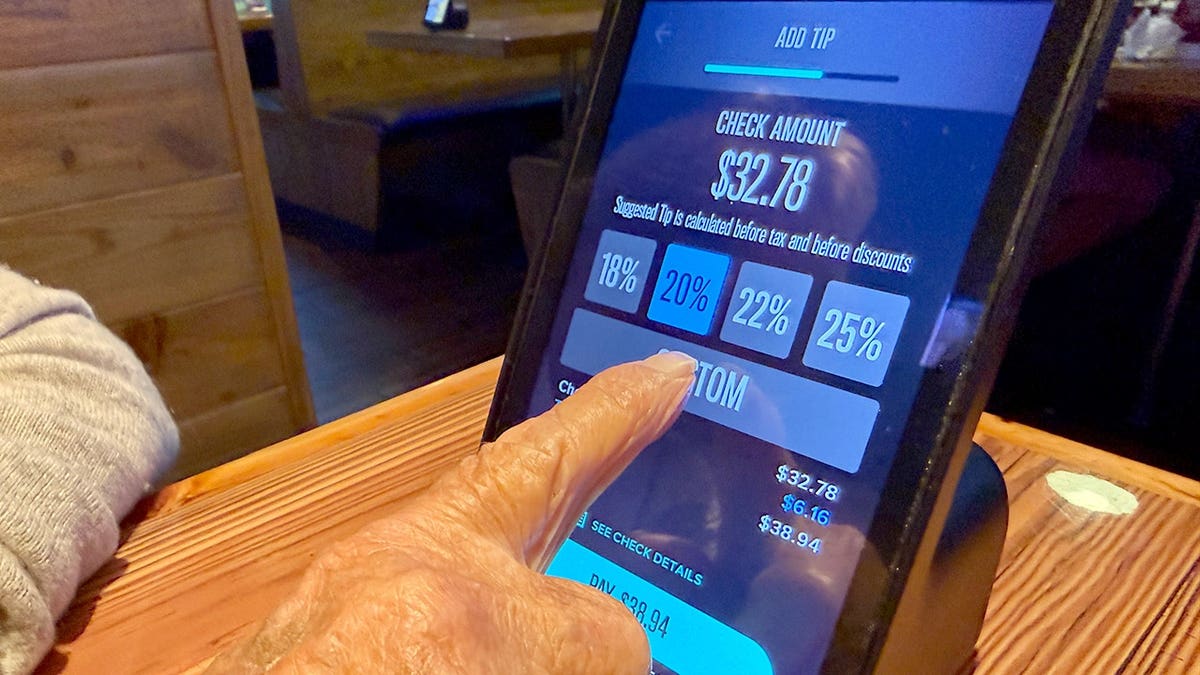
Recent findings from a Popmenu survey reveal rising frustration over tipping practices among Americans. According to the survey, which involved 1,000 adults in March, 78% of participants view current tipping practices as “ridiculous.” A striking 74% have noticed an increase in the suggested gratuity amounts on digital payment screens. Most respondents, 59%, admitted feeling compelled to tip when faced with these prompts.
Changing Attitudes Toward Gratuity
Despite growing discontent with so-called “tip creep,” restaurant owners report that many diners still favor traditional tipping, especially when service is involved. Vicki Parmelee, owner of Jumby Bay Island Grill in Jupiter, Florida, shared that tipping 20% for sit-down service is generally accepted as a good practice.
It’s kind of ingrained in American culture that if you go out to dinner at a restaurant, and you’re served, a 20% tip is considered appropriate.
However, the increasing use of digital screens prompting for tips in situations where gratuities were historically optional is causing annoyance. Parmelee points out the discomfort caused by being asked for tips at a service counter simply for ordering a coffee.
Industry Perspectives
Derek Simms, CEO of the Texas-based Simms Hospitality Group, echoed these sentiments. Despite his position in the restaurant industry, he described modern tipping screens as “a very awkward moment.” Both business owners emphasize the importance of ensuring customers do not feel pressured into tipping.
Simms warned that excessive tipping prompts could harm customer loyalty.
I don’t want to lose a customer over some weird manipulation.
Consumer Choices and Custom Tips
The survey highlighted that many diners bypass preset tipping options. About 36% prefer entering a custom tip rather than selecting suggested amounts. This trend indicates a shift in consumer behavior, with a noticeable increase in comfort with skipping tips in certain scenarios.
Maintaining Customer Loyalty
Parmelee and Simms agree that tipping should be an earned reward, not an expectation. They caution businesses about the potential repercussions of enforcing tips through digital screens. Traditional tipping remains prevalent, yet there is a discernible division between full-service restaurant expectations and those for more casual transactions.
With ongoing debates around tipping screens, businesses must navigate carefully to maintain customer satisfaction and loyalty. Exceptional service still prompts higher gratuities, with patrons recognizing and rewarding quality experiences.
Leave a Reply