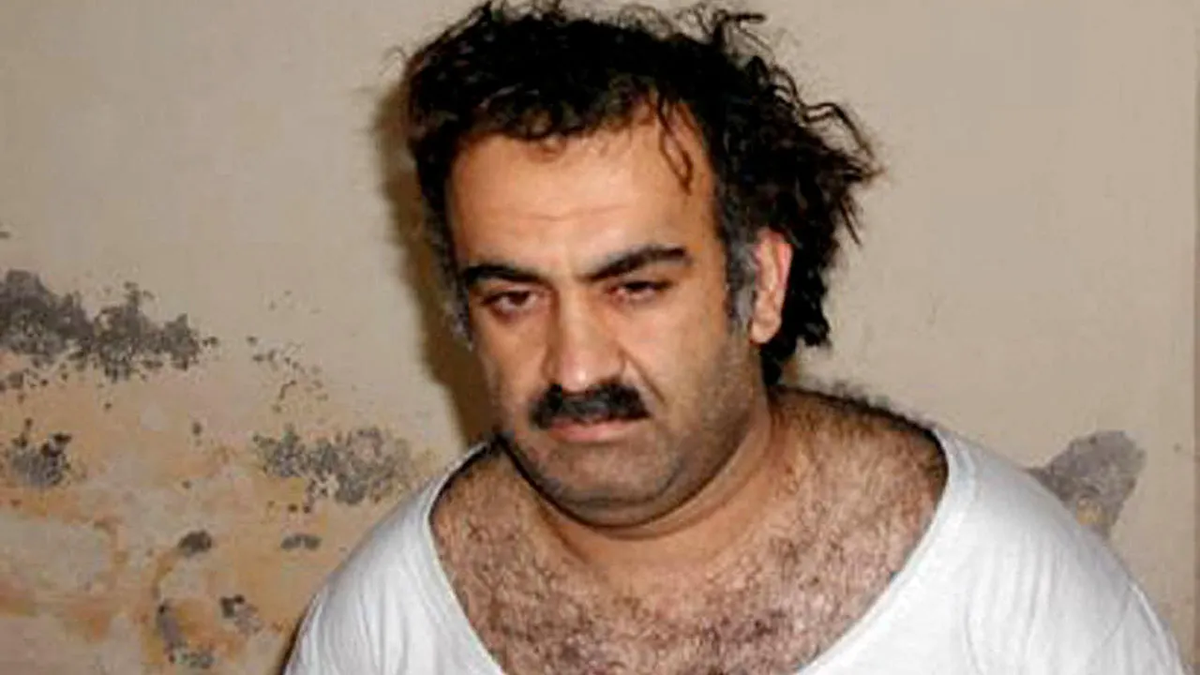
The trial for Khalid Sheikh Mohammed, accused of orchestrating the September 11 attacks, is scheduled for June 2028. This decision follows notable judicial developments and strategy considerations by military prosecutors.
Excluding Key Confession
Prosecutors decided to proceed without using a crucial confession from Mohammed obtained in 2007. This choice was influenced by a military judge’s ruling to exclude the statements. The federal government opted not to appeal this decision, aiming to maintain the scheduled trial date.
The confession was initially intended as part of the evidence but was suppressed due to coercive methods used during interrogation. Mohammed did not have legal counsel at the time of the interrogation, prompting the judge to rule the confession inadmissible.
Delayed Justice
Mohammed, held at Guantánamo Bay since 2003, awaits trial alongside co-defendants Walid bin Attash, Mustafa al-Hawsawi, and Ammar al-Baluchi. These delays have frustrated victims’ families seeking closure after the attacks killed nearly 3,000 people.
In an effort to avoid further delays like those caused by appeals, the prosecution team decided to forego challenging the judge’s decision. Appeals often span years, contributing to the prolonged wait for a resolution.
Plea Deal Revoked
In 2024, a plea agreement with the Biden administration could have spared Mohammed and two co-defendants from the death penalty. However, following public backlash, the plea deal was withdrawn. This led to additional complicated legal processes.
Seeking Declassified Information
Families of 9/11 victims continue to request the declassification of documents. They seek information on Saudi Arabia’s potential involvement in the attacks, urging the Trump administration to release pertinent records.
Leave a Reply