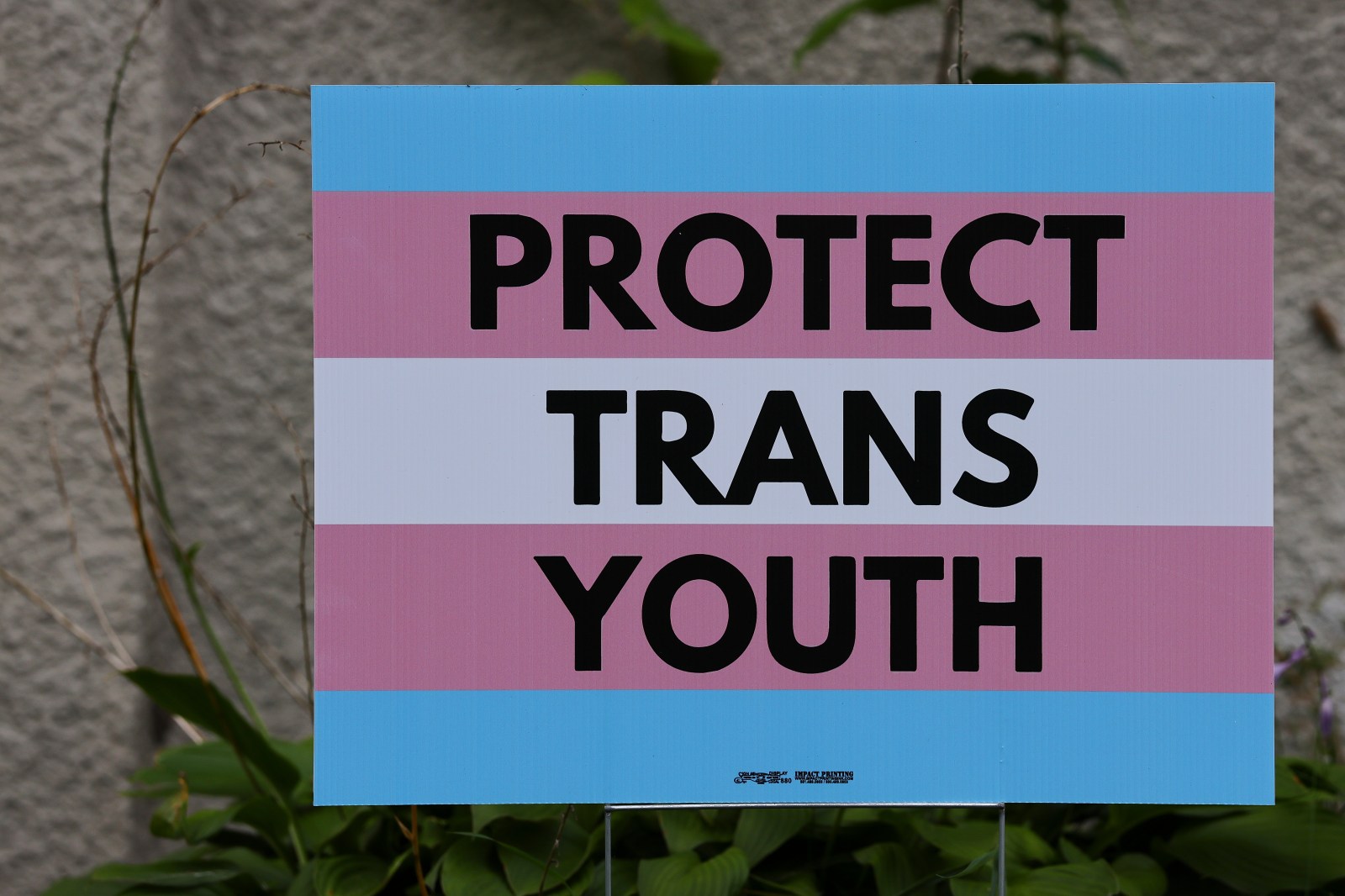
President Donald Trump announced a new policy affecting federal Medicaid funds. His administration will stop using these funds to cover gender-affirming surgeries and hormone treatments for transgender minors. This decision raises questions about access to care in states that protect transgender youth.
This move is part of Trump’s broader initiative to restrict services for trans youth. His administration has supported policies that limit transgender students’ participation in school sports. Republican-led states have also enacted bans on transgender athletes competing according to their gender identity.
States that protect gender-affirming care may still allow treatment. They might use state funding to cover services. Trump’s announcement on a Truth Social post stated, “Today, at my direction, Dr. Mehmet Oz announced that Medicaid will NO LONGER fund gender transition surgeries and hormones for minors.” He described the policy as protective of children, deeming the surgeries and practices “barbaric.”
The Centers for Medicare & Medicaid Services (CMS) confirmed the new rule. It will end federal Medicaid and Children’s Health Insurance Program (CHIP) funding for these treatments for people under 19. The policy is set to take effect in October.
States Protecting Access
The Kaiser Family Foundation (KFF) policy tracker highlights a divided national landscape. As of May, 27 states limit youth access to gender-affirming care. The other states have not imposed such restrictions. KFF estimates about half of transgender youth aged 13 to 17 live where care is restricted. States like California, Oregon, Washington, and New York have policies protecting access. Many of these states have “shield” laws to protect providers and patients seeking legal care.
Despite protective state laws, Trump’s Medicaid decision could impact families in these states. Federal funding significantly supports state Medicaid programs. While care remains legal, losing federal support may hinder coverage for lower-income families.
Why Policy Won’t End Nationwide Access
KFF’s tracker shows gender-affirming care policies are largely state-governed. Some states prohibit puberty blockers or hormone therapy for minors. Others protect access. Court challenges persist; KFF reports 18 states face legal disputes over access restrictions.
The Supreme Court’s 2025 decision in United States v. Skrmetti upheld Tennessee’s ban on gender-affirming care for minors. This gives states more authority to maintain restrictions. However, the ruling doesn’t require states to ban care, resulting in varied policies across the nation.
Viewpoints of Advocates and Opponents
The Trump administration claims the policy aims to protect children from supposedly irreversible treatments. Health and Human Services Secretary Robert F. Kennedy Jr. stated Medicaid and CHIP funds will no longer support procedures lacking sufficient evidence.
CMS Administrator Dr. Mehmet Oz emphasized a commitment to “following the science” and child protection. LGBTQ+ advocates, including Human Rights Campaign president Kelley Robinson, argue the rule disrupts family and doctor medical decisions.
Major medical organizations, like the American Medical Association and American Academy of Pediatrics, support established clinical guidelines for gender-affirming care. Trump’s policy, aligning with this directive, doesn’t eliminate nationwide access. State laws continue to determine access, with many maintaining protective policies for transgender youth and their healthcare providers.
Leave a Reply