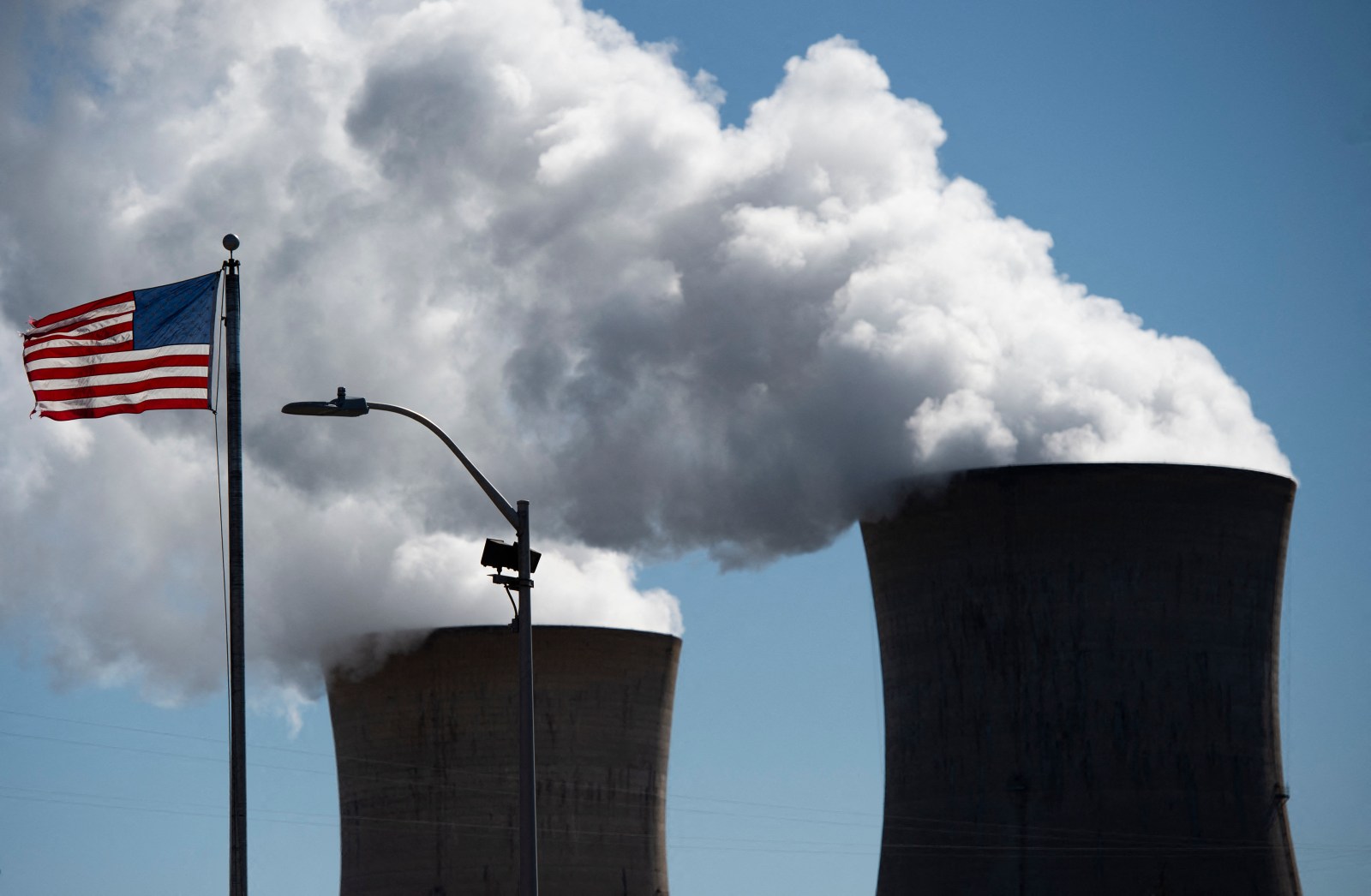
The Department of Energy (DOE) announced a plan involving five states to store nuclear waste as part of a new initiative under the Trump administration. This proposal aims to invigorate the stagnant nuclear energy sector in the United States. Recent efforts to develop nuclear energy have intensified as the demand for energy increases due to the rise of artificial intelligence (AI) data centers. These centers consume substantial energy and water resources.
In recent years, support for nuclear energy has risen among both Democrats and Republicans. President Donald Trump has been a proponent of nuclear development, and this project is his latest effort to revitalize the industry. Critics, however, highlight the challenge of managing radioactive waste as a significant issue.
The DOE statement disclosed that the plan would allow states to host Nuclear Lifecycle Innovation Campuses. These campuses could manage nearly 100,000 metric tons of nuclear waste and facilitate processes like uranium enrichment and fuel reprocessing.
The DOE estimates that these campuses could attract $50 billion in private investments, create 25,000 jobs, and generate $10 billion in state and local taxes. Energy Secretary Chris Wright mentioned that 26 states applied, but Utah, Tennessee, Oklahoma, Louisiana, and Idaho were chosen as potential hosts. All selected states have Republican governors.
Utah Governor Spencer Cox supports the project, stating it will secure America’s energy independence and enhance national security. Oklahoma Governor Kevin Stitt is also optimistic, seeing it as a chance to expand the state’s energy resources.
Mark James, director at the Institute for Energy and the Environment, notes ongoing challenges in finding a permanent storage solution for nuclear waste. He mentioned that any changes might require congressional approval, noting Yucca Mountain in Nevada’s previous designation as the sole permanent storage facility.
Current Nuclear Waste Management in the U.S.
The U.S. Government Accountability Office (GAO) reports that the DOE is tasked with managing over 90,000 metric tons of spent nuclear fuel from commercial nuclear power plants. Yet, constructing a permanent facility faces political challenges. Annually, the U.S. produces around 2,000 metric tons of spent fuel, comparable to less than half an Olympic-sized swimming pool in volume.
Nuclear waste is initially stored in concrete pools before being transferred to dry storage casks. These casks are located at over 70 sites across 35 states. While countries like France recycle their nuclear waste, the U.S. refrains from reprocessing due to nuclear nonproliferation concerns.
Challenges and Risks
Reprocessing is included in the Trump administration’s plan, aiming to address multiple nuclear power development obstacles. Mark James warns of the risks associated with fast-tracking projects without balancing environmental protections. He emphasizes that managing nuclear waste requires careful consideration due to the long-term risks involved.
Long-standing Criticisms
The proposed solution of using Yucca Mountain as a permanent storage location has been controversial and remains stalled. There are concerns about the site’s capacity and environmental impacts, as well as the logistics of transporting waste through populated areas.
If poorly managed, nuclear waste poses health and environmental risks, such as radiation sickness and increased cancer risk. Thus, careful management of these materials is crucial.
Leave a Reply