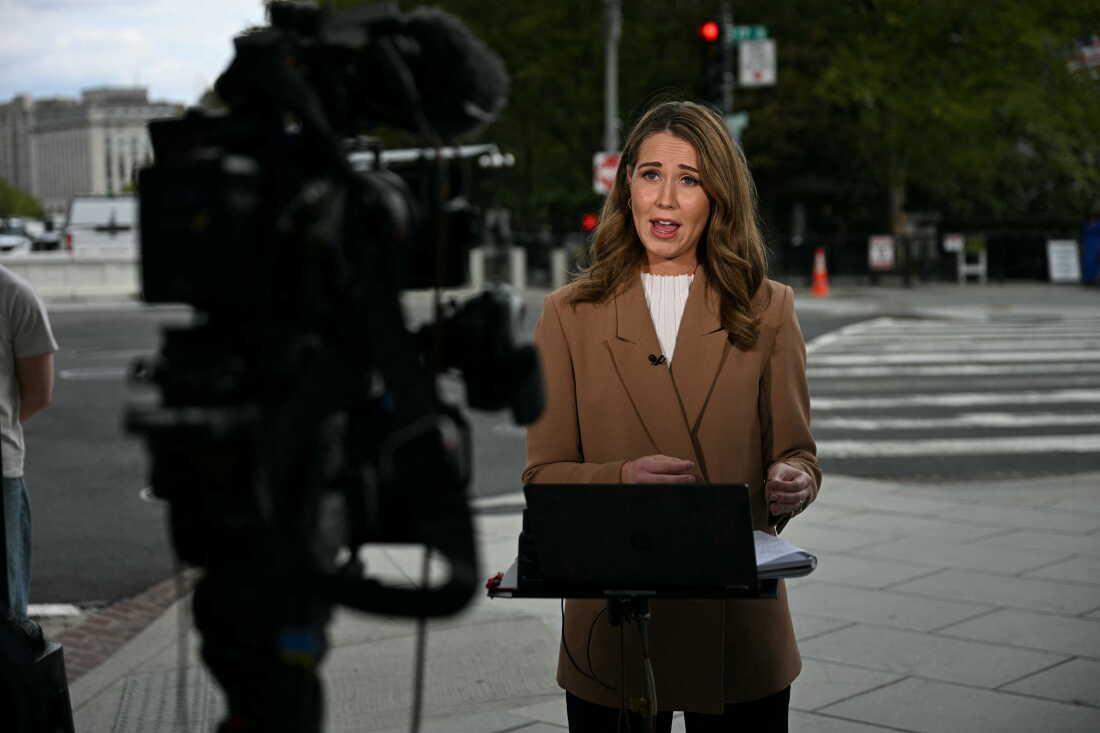
On September 19, 2026, CNN reporter Julia Benbrook delivered a live report near the White House. A day later, CNN, MS NOW, and Politico initiated legal proceedings against the Trump administration. They claim the administration’s action to block their reporters from the White House represents a violation of First Amendment rights. The lawsuit highlights that the news organizations should not face governmental punishment due to their coverage.
The complaint, filed on First Amendment grounds, emphasizes the critical constitutional principles involved. It argues that blocking access based on perceived negative coverage attacks the fundamental right to free speech. Additionally, it cites a violation of Fifth Amendment rights, stressing that the government cannot revoke rights without due process.
Theodore J. Boutrous, a prominent First Amendment lawyer, leads the case. He explained that existing legal precedents strongly favor the news organizations. Boutrous references past victories, including a federal judge’s ruling against a White House executive order attempting to cut public media funding. Despite this, Congress previously withdrew financial support at Trump’s request.
During Trump’s first term, he frequently clashed with the media. The revocation of press credentials for CNN’s Jim Acosta serves as one example. Another ongoing case involves the Associated Press, challenging the White House’s attempt to impose a preferred geographic name.
On Truth Social, Trump expressed his frustration with media outlets, accusing them of publishing misleading information. He indicated that his decision to ban CNN, MS NOW, and Politico stemmed from consistent negative coverage. During a press interaction, Trump stated that he didn’t have to allow entry to those he deemed biased.
By the weekend, reporters from CNN, MS NOW, and Politico found themselves blocked despite holding permanent press passes. The lawsuit contends that this restriction hinders their ability to cover essential events at the White House. It asserts that the ban severely restricts their speech and reporting capabilities.
This story was reported by NPR’s Media Correspondent David Folkenflik and edited by NPR’s Acting Chief Business Editor Emily Kopp. NPR’s reporting guidelines ensure that corporate officials did not review the content before its publication.
Leave a Reply