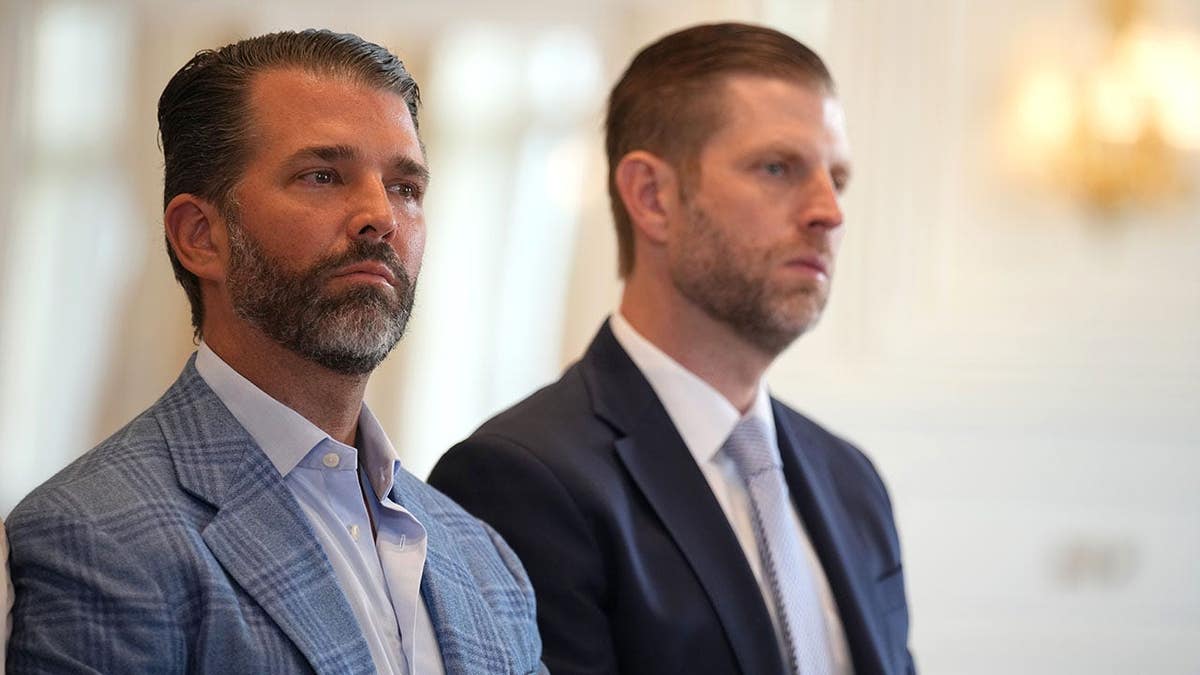
The Trump Organization, led by Donald Trump Jr. and Eric Trump, is facing scrutiny. They invested in a construction company linked to a rare earth minerals deal involving U.S. government funding. Known for its strategic importance, this deal mostly covers tungsten mining in Kazakhstan. Critics are questioning the ethicality of the Trump brothers’ involvement. According to attorney Andrew Stoltmann, finding substantial evidence of wrongdoing is challenging.
Investment Details
Donald Trump Jr. and Eric Trump, as private investors, purchased a minority stake in Skyline Builders through Dominari Securities. This entity is based in Trump Tower, New York. The deal received additional interest because of an earlier contract award to the U.S. by Kazakhstan President Kassym-Jomart Tokayev. The contract concerned mining a valuable tungsten reserve. Cove Capital, along with its affiliate Cove Kaz Capital Group, played key roles in negotiating the mineral rights.
Tungsten is vital for military production, and its supplies are largely controlled by China and Russia. Under Trump’s administration, securing long-term tungsten supply became a national priority. Concerns sprang from the timing of investments amid U.S. negotiations for Kazakhstan’s valuable tungsten rights.
Financial Partnerships
Meanwhile, Commerce Secretary Howard Lutnick’s founded company, Cantor Fitzgerald, provided a significant $46.8 million loan to ASP Isotopes, owned by Paul Mann. This transaction occurred concurrently with Skyline Builders’ investment shift under the Trump brothers. ASP Isotopes gained voting control over Skyline Builders following this financing.
A subsequent merger resulted in the formation of Kaz Resources. Skyline Builders retained a significant minority share after injecting $20 million into Kaz Resources. These strategic developments drew interest and skepticism due to their high-profile participants and potential conflicts of interest.
Argumentative Disputes
Despite claims from critics, the Trump Organization denies any undue influence in the investment. They argue that the acquisitions were passive and predated contract awards. Skeptics, including attorney Stoltmann, note challenges in proving knowledge of insider information or securing unethical advantages.
The Democrats, however, may look for more evidence if they gain legislative power. Stoltmann predicts possible legal challenges and investigations from political opponents. Despite the complexities and suspicions, public statements from the White House maintain that President Trump has no direct control over investments. The Trump Organization insists they act in America’s best interest.
Responses from Involved Parties
Cantor Fitzgerald, denying collaboration with Kaz Resources or Skyline Builders, emphasizes its role in mere capital support and market facilitation, not in negotiations. These statements align with the position that Cantor Fitzgerald’s involvement served financing needs and not policy influence.
The Trump Organization and the Commerce Department have not provided further comments. Statements from representatives reaffirm the administration’s narrative, framing these acquisitions as part of standard investment activity, separating any direct governmental involvement.
Leave a Reply