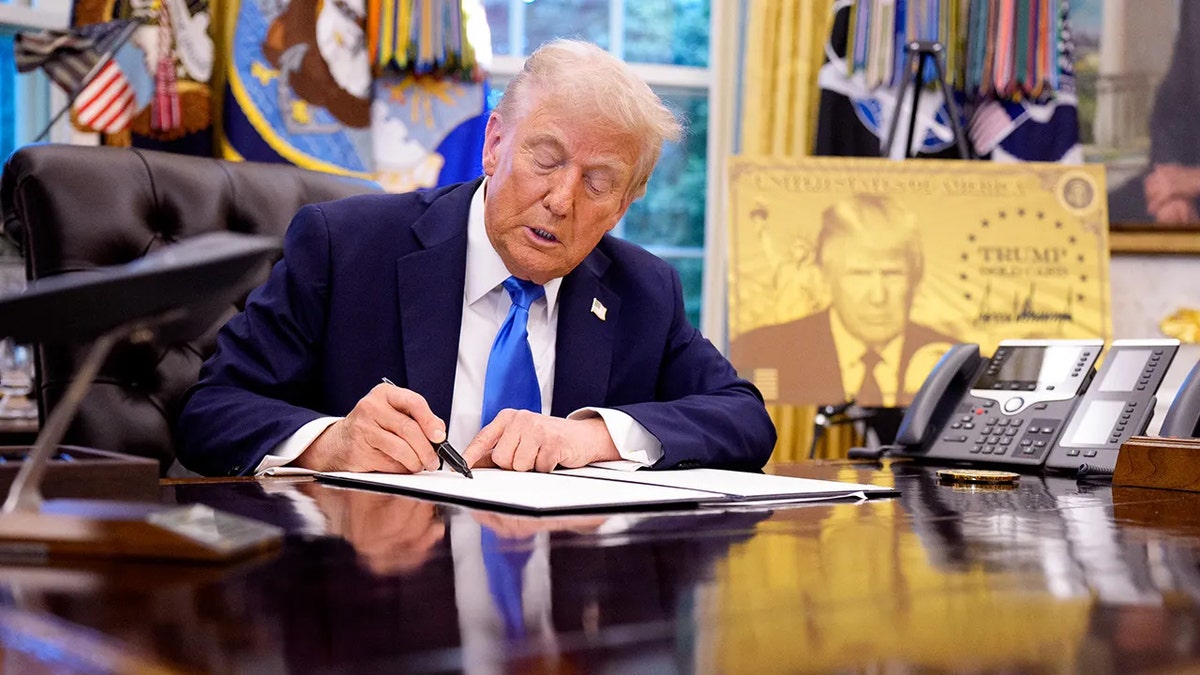
President Donald Trump expressed in a “60 Minutes” interview his willingness to collaborate with Democrats to provide some illegal immigrants a pathway to legal status. This interview aired shortly after the midterm elections.
After midterm losses for Republicans, speculation arose regarding Trump’s potential flexibility on immigration. However, Trump clarified there would be no amnesty while stating his immigration policy remains unchanged.
Although Trump offered no detailed proposal, the idea of an agreement raised questions about its effects on the rule of law, assimilation, and fiscal policy.
Immigration Experts Weigh In
**Steven Camarota**, research director at the Center for Immigration Studies (CIS), expressed concerns over the potential impact on the rule of law. He suggested rewarding those who broke immigration laws could undermine legal processes.
It seems like it mocks those who’ve adhered to the law.
He emphasized fairness, pointing to examples like overstaying visas. **Laura Collins**, director of immigration policy at the George W. Bush Presidential Center, argued the current laws contribute to the issue. She noted economic demands clash with restrictive immigration policies.
Collins also stressed the need for accountability. Many past legalization efforts required immigrants to pay back taxes and fees as restitution.
The Assimilation Aspect
Camarota warned that unrestricted immigration could overwhelm assimilation processes, affecting language acquisition and cultural integration.
Drawing from the book “Streets of Gold,” Collins noted that modern immigrants assimilate similarly to those from past generations. She suggested legal work opportunities enhance assimilation.
Collins stated that the U.S. excels at integrating newcomers, reducing concerns about assimilation challenges.
Fiscal Considerations
Camarota estimated illegal immigrant households receive $50 billion annually in government benefits, largely due to U.S.-born kids’ eligibility. He cited programs like Medicaid and free school lunches.
Most lack education beyond 11th grade, limiting tax contributions.
Collins cited a 2013 CBO analysis, suggesting comprehensive immigration reform could increase tax revenues and reduce federal deficits.
**Mark Krikorian** from CIS argued that amnesty considerations might not materialize. Despite discussions, he viewed an agreement as unlikely without significant concessions from Democrats on immigration policies.
He highlighted past attempts to trade DACA protections for stricter immigration policies, noting current political divides hinder progress. Krikorian underscored potential challenges and consequences, such as family sponsorship expansions following legal status changes.
Trump’s Position
Trump proposed allowing illegal immigrants in fields like hospitality and landscaping to remain in the U.S. Legislation emphasizing deportation contrasts with jobs these individuals hold.
The White House maintained Trump’s “strong immigration policy remains unchanged,” urging Democrats to cooperate on border security. Spokeswoman Lauren Bis emphasized achievements in securing borders.
If Democrats pursue amnesty policies, Bis argued, they’d oppose American interests.
Leave a Reply