Diplomatic Efforts and Military Threats
President Donald Trump faces scrutiny regarding his Iran strategy, as his administration continues to push for diplomacy nearly six months into a military campaign that was initially expected to conclude quickly. Trump asserts that negotiations with Tehran are nearing a breakthrough while threatening a significant military escalation if Iran does not comply with his terms. This approach has drawn criticism from former allies, such as Mick Mulvaney, who warns of an emerging credibility issue.
Tehran denies that negotiations are happening, directly opposing Trump’s claims that talks are underway and a resolution is imminent. Mulvaney, Trump’s former chief of staff, has highlighted concerns over this contradiction in the administration’s stance.
Mulvaney Questions Credibility
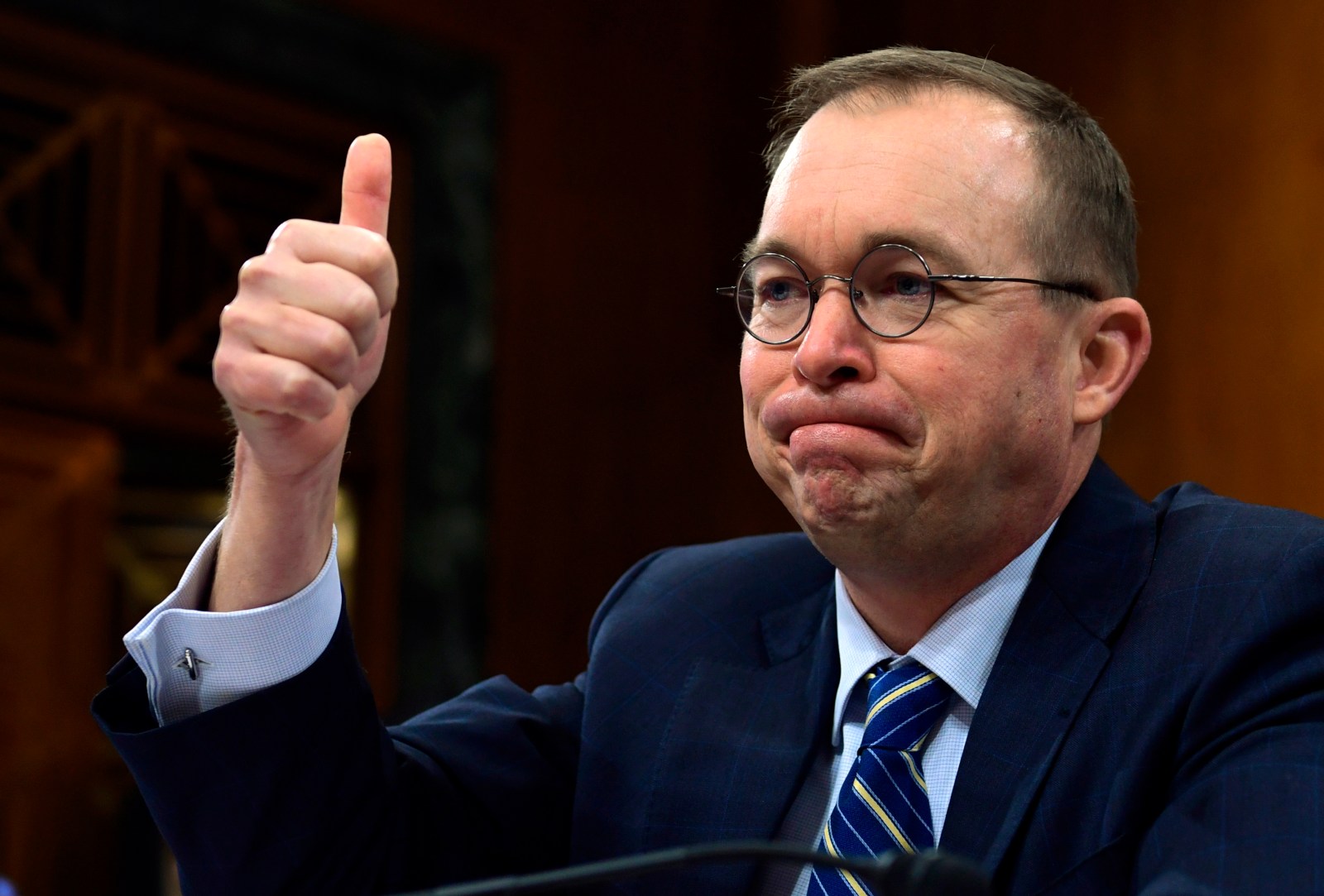
Mick Mulvaney, who served as Trump’s chief of staff from 2019 to 2020, and later as the special U.S. envoy for Northern Ireland, voiced concerns about Trump’s inconsistent approach. Speaking on News24, Mulvaney mentioned that Trump’s oscillation between military threats and diplomatic progress has left international partners confused about U.S. intentions.
Mulvaney claimed that Trump’s changing stance has led to confusion among involved parties. “It’s hard to know what to believe,” he stated, emphasizing the need for tangible progress to restore confidence in Trump’s strategy.
Shifting Approaches
Critics argue that Trump frequently shifts his tactics, alternating between threats of force and optimism for diplomatic solutions. Since April, Trump has canceled planned airstrikes multiple times to allow for negotiations. He recently stopped a potential attack, claiming Iranian officials requested a pause, a claim that Iran disputes.
These changes have sparked debate over whether these threats are achieving concessions or signaling hesitance to escalate militarily.
Trump Claims Negotiations Progress
On Monday, Trump told reporters that talks with Iran could quickly lead to conflict resolution. He mentioned plans for reopening the Strait of Hormuz while suggesting that discussions on Iran’s nuclear program will take longer.
Trump remains committed to maximum pressure, expressing frustration with Iran’s public stance on negotiations, calling Iranian leadership “duplicitous.” On Truth Social, he stated that whether Iran admits it or not, discussions for a solution are in progress.
Internal GOP Differences
The administration’s strategy has divided opinions within the Republican Party. Former Vice President Mike Pence suggested on Fox News that Trump might abandon diplomatic efforts in favor of military action. Pence expressed confidence that Trump would ultimately unleash the U.S. military.
Conversely, Trump has reiterated his preference for diplomacy to achieve strategic goals while preventing further casualties. A Fox News poll found 48 percent of respondents doubt a U.S.-Iran agreement will happen, with only 25 percent expecting the conflict to conclude with an unfavorable deal.
Additionally, GOP Representative Mike Turner expressed dissatisfaction with the level of information provided to Congress on the situation in Iran and other national security issues. Speaking on CBS News’ Face the Nation, Turner affirmed the need for more detailed briefings from the administration.
Leave a Reply