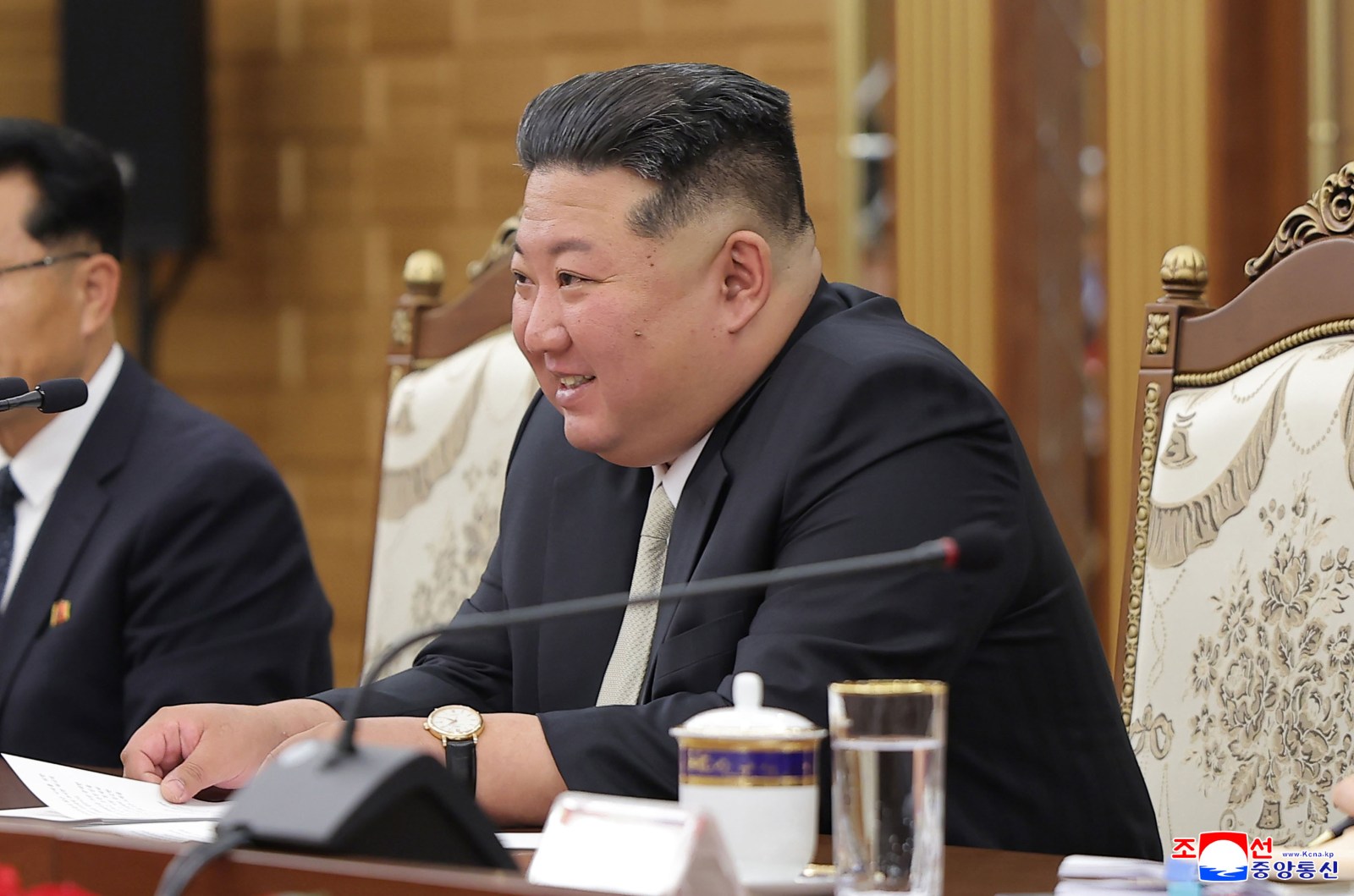
President Donald Trump aims to renew his engagement with Kim Jong Un, North Korea’s leader. However, the longstanding alliance between the US and South Korea complicates this effort. Trump has reduced certain military exercises with Seoul and canceled another to show goodwill towards Pyongyang. Yet, only Kim’s sister has responded, expressing her brother’s positive reflections on Trump.
The historical context of US troops fighting against North Korea in the Korean War adds complexity to Trump’s overtures, challenging South Korea’s trust in its primary ally. Recent activities on Truth Social highlight Trump’s persistent interest in developing relations with Kim, considered a significant opportunity for peace amidst global conflicts.
The Trump Way
Trump employs an unusual diplomatic style with dictators, securing summits with Kim, Vladimir Putin of Russia, and Xi Jinping of China. Initially, Trump labeled Kim a “madman” but later praised his “beautiful letters” at a 2018 rally. He now speaks highly of Kim’s authority and perceives mutual understanding.
During the Republican National Convention in 2024, Trump expressed his belief that Kim misses him and would welcome his return. Yet, Trump remains discreet about their potential correspondence, suggesting a possible reconnection but without confirming any responses from Kim.
Prospects of Recommitment
Kim Jong Un, at 42, strategically paces his responses, aware of the potential benefits of Trump’s renewed interest. Although North Korea remains largely isolated due to longstanding UN sanctions, Kim gains stature each time Trump references him.
While focusing on the persistent conflict with Iran and upcoming midterms, Trump views diplomacy with Kim as viable. Kim, with little at risk, emerged from previous summits more confident and with enhanced military capabilities, doubling his nuclear arsenal since 2019.
The Pyongyang regime strengthens its nuclear position by aligning strategically between Russia and China, leveraging military resources for diplomatic leverage.
Challenges in the US-South Korea Alliance
Relations between the US and South Korea have strained over the past eighteen months. The two are bound by a defense treaty since 1953, with over 23,000 US troops stationed in South Korea, the largest deployment outside Japan and Germany.
This “tripwire” force plays a crucial role in deterring North Korean aggression. Despite significant trade partnerships, especially in technology, South Korea faced tariffs during Trump’s administration.
Trump’s critique of the South Korean President Lee Jae Myung for not supporting US efforts in the Middle East war further strained relations. Even before scaling back joint military exercises, South Korean public opinion of the US declined, with a spring Pew Research survey showing 55% of South Koreans holding unfavorable views of the US, a significant rise from past years.
Despite this, 84% view the US as a primary ally essential for protection against North Korean threats. President Lee has attempted to improve relations with North Korea, ceasing border propaganda and recognizing the permanency of North’s nuclear weapons.
During a visit to the White House, Lee encouraged Trump to resume discussions with Kim and recently urged Pyongyang to formally end the Korean War. However, it’s uncertain whether these gestures will amend North Korea’s hostility towards the South.
Future Indicators
Trump considers his rapport with Kim advantageous, with Kim’s sister affirming its excellence. He sees chances to halt North Korea’s nuclear progress or to discuss ceasing arms deliveries to Russia.
The first Trump-Kim meeting in 2018 was initiated by a verbal invitation from Pyongyang through Seoul. As current communication between North and South Korea is limited, any forthcoming summit may surprise Seoul.
Leave a Reply