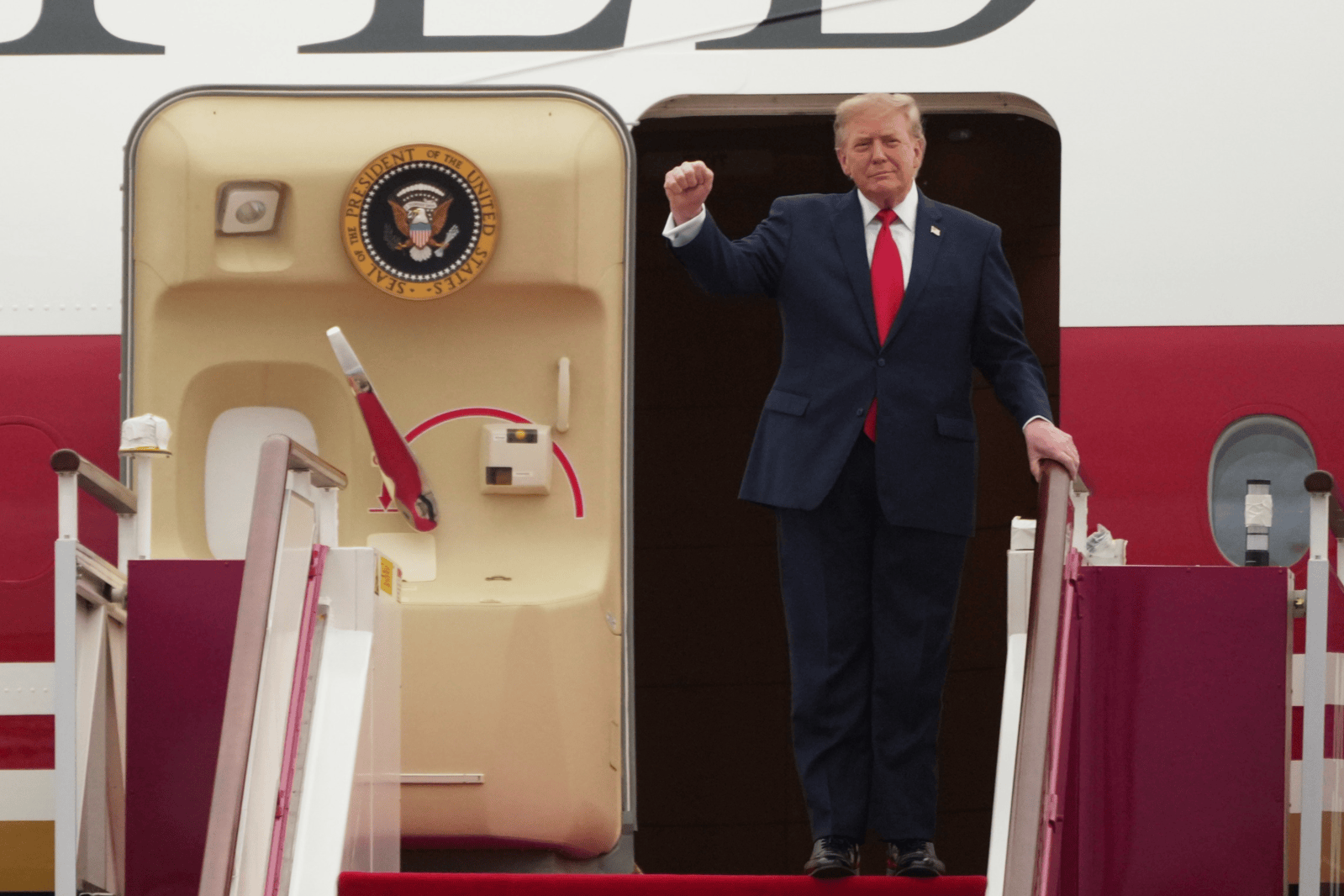
As of November 19, Civiqs’ rolling job-approval tracker, comprising 143,723 responses from January 20, 2025, to November 18, 2026, indicates President Donald Trump holds a national approval rating of 33 percent. Fifty-nine percent of voters disapprove, resulting in a national net approval rating of minus 26.
A state-by-state analysis reveals that Trump maintains positive ratings in 11 states, while 39 show negative ratings. No state reports an even division in opinions.
The White House defends Trump’s record, citing tax cuts, border policies, job growth, and trade deals. Spokesman Davis Ingle claims Trump will be remembered as a consequential president.
The approval ratings may impact Trump’s ability to pursue his agenda, especially with an opposing Congress. Political science professor Costas Panagopoulos notes that a low approval rating limits Trump’s negotiating power with Democratic majorities.
State-Level Approval and Implications
Deep-red states like Wyoming, North Dakota, and West Virginia continue to support Trump, though ratings have declined. Alabama’s rating fell significantly, illustrating the downward trend across states.
Panagopoulos suggests recent election results may prompt voters to reassess their views on Trump, citing widespread dissatisfaction.
Demographic Analysis
Distinct gaps exist across demographic lines. Among Republicans, 78 percent approve, while Democrats overwhelmingly disapprove at 97 percent. Independents rate Trump negatively at minus 40.
The younger demographic (18-34) rates Trump at minus 49, compared to minus 8 among those 65 and older. College graduates disapprove by 33 points, while postgraduates show a 51-point deficit.
Gender differences are notable, with men at minus 14 and women exhibiting a wider gap at minus 37. Race also highlights disparities, with Black voters disapproving by 83 points.
Prospective Challenges
Several Republican-leaning states, including Kentucky and Tennessee, have shifted from favorable to negative ratings. Key battleground states such as Arizona, Ohio, and Georgia all report negative net ratings.
Trump’s lowest state rating is in Hawaii at minus 57. Despite Democratic states maintaining strong opposition, their shifts are less severe compared to Republican areas.
Panagopoulos anticipates further changes when Democrats gain congressional power, which may either continue the decline or lead to improvement if Trump can redirect blame for setbacks.
Leave a Reply