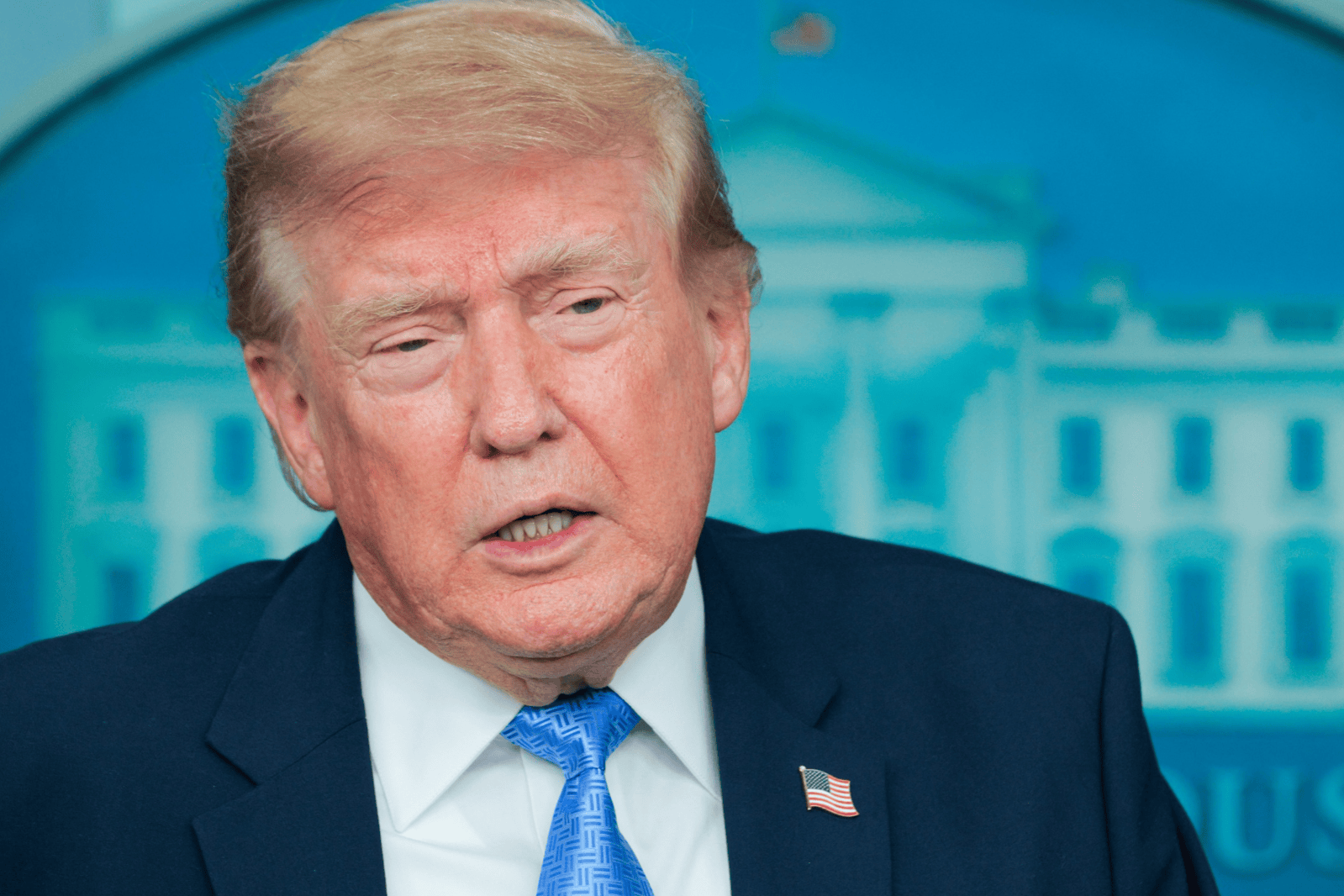
Recent polling conducted by Echelon Insights highlighted significant shifts in President Donald Trump’s approval ratings. These shifts occurred between different income groups in the United States, causing speculation among political analysts.
Sharp Changes in Approval Ratings
The data indicated that Trump’s approval increased by 26 points among those earning less than $30,000 from September to November. Conversely, his approval fell by 18 points among those earning at least $125,000. These movements followed economic concerns during the midterm elections. Experts advised caution, noting small income samples could impact the results.
Costas Panagopoulos, a political science professor at Northeastern University, emphasized the rarity of such shifts. He cautioned against assuming these changes indicate true preferences, suggesting they might reflect statistical noise. David Barker, a professor of government at American University, shared these concerns, describing the trends as potentially misleading unless more data confirms them.
Survey Details and Results
The September survey showed 23% approval and 75% disapproval among lower-income voters, resulting in a net rating of minus 52. Among higher-income households, 41% approved and 58% disapproved, giving a net rating of minus 17. With an overall margin of error of 3.6 points, this survey involved 1,002 likely voters.
In October, approval for Trump rose to 33% among lower-income voters, while disapproval fell to 65%, reducing the deficit to 32 points. Among wealthier groups, approval and disapproval stood at 41% and 57%, respectively, resulting in a net minus 16.
By November, approval among lower earners reached 36%, with disapproval at 62%. Among higher earners, approval and disapproval were 32% and 67%. Panagopoulos noted that despite variations, Trump’s disapproval still exceeded approval in both groups.
Examining Potential Explanations
Panagopoulos suggested that Republican campaigns might have bolstered Trump’s support among working-class families during the midterms. Meanwhile, higher-income voters might have revisited their views on his economic policies as election day approached.
Barker pointed out that campaign ads and messaging could have resonated differently with income groups, reinforcing partisan identities. This dynamic might clarify why some lower earners became more supportive while higher earners grew critical.
Juven Jacob, a political strategist, highlighted Trump’s proposal for $5,000 checks as potentially appealing to those facing financial difficulties. However, the impact of such promises is uncertain without knowing if voters heard or believed them.
Economic Factors and Polling Limitations
Differing economic experiences further complicate explanations of these approval shifts. Variations in income didn’t consistently align with support for Trump, as high gas prices likely affected all income groups.
Barker queried whether transportation costs might not impact all lower-income voters equally, as not everyone owns vehicles. This shows the complexity of linking economic factors to political opinions.
James Christopher, a political consultant, stressed that households struggling with immediate expenses may prioritize tangible savings over speculative market changes.
Looking Ahead
Panagopoulos noted that consistency across future surveys would strengthen credibility in these shifts. Similar findings from other pollsters could further validate the data.
Jacob suggested separate tracking of increased approval versus reduced disapproval rates. Meanwhile, Barker recommended studies that follow the same voter groups over time to identify genuine changes.
Until more comprehensive evidence is available, these survey results provide a glimpse into trends that require further investigation to substantiate any significant realignment among voters by income.
Leave a Reply