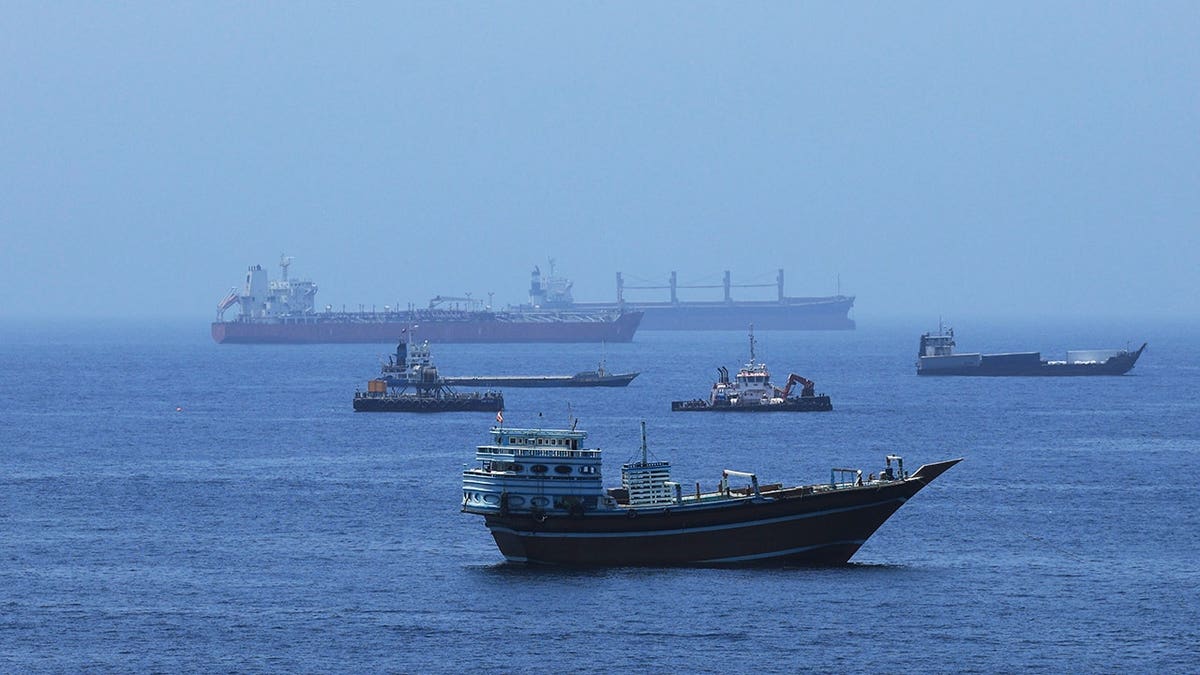
President Donald Trump recently suggested making the Strait of Hormuz a U.S. territory, aiming to secure critical oil passages against Iran. Samir Kapadia appeared on ‘Mornings with Maria’ to discuss the potential legal and economic implications of this proposal. He explored the possibility of maritime shipping tolls and the impact of U.S. sanctions on Middle Eastern trade.
The Trump administration has consistently challenged Iran’s control of the passage through the Strait of Hormuz. Despite a proposed framework by Iran and Oman that might exclude military vessels, the White House has not clarified if President Trump would agree to restrictions on U.S. warships. The U.S. Central Command strongly rejected Iran’s claims of authority over the strait. Capt. Tim Hawkins stated, “Iran does not control the Strait of Hormuz,” emphasizing the strait’s status as an international waterway that commercial vessels continue to use with U.S. military support.
The administration has focused on applying military and economic pressure to ensure passage through the strait aligns with U.S. interests. American forces have targeted Iranian military positions and protected commercial shipping while maintaining a blockade on Iranian ports. Additionally, the administration expanded sanctions under the Operation Economic Outcast campaign.
These efforts have encouraged some ships to transit the strait, but traffic remains much lower than pre-war levels. Current oil flow through the strait is about 5 million barrels per day, compared to over 20 million barrels per day before the conflict, according to Vortexa tracking data reported by Reuters.
Iran and Oman proposed a framework to reopen the strait, including a joint navigational corridor and mine-clearing project. Discussions are ongoing regarding traffic management and security services. Iranian Deputy Foreign Minister Kazem Gharibabadi indicated that the temporary arrangement aims to route commercial ships through Iranian waters, excluding military vessels if finalized.
While the Iranian and Omani discussions appear to involve revenue sharing and waterway management, Oman has not publicly endorsed a military-vessel ban. Consequently, whether Iran will attempt to limit American military access through the strait and the administration’s response remains a significant concern.
Leave a Reply