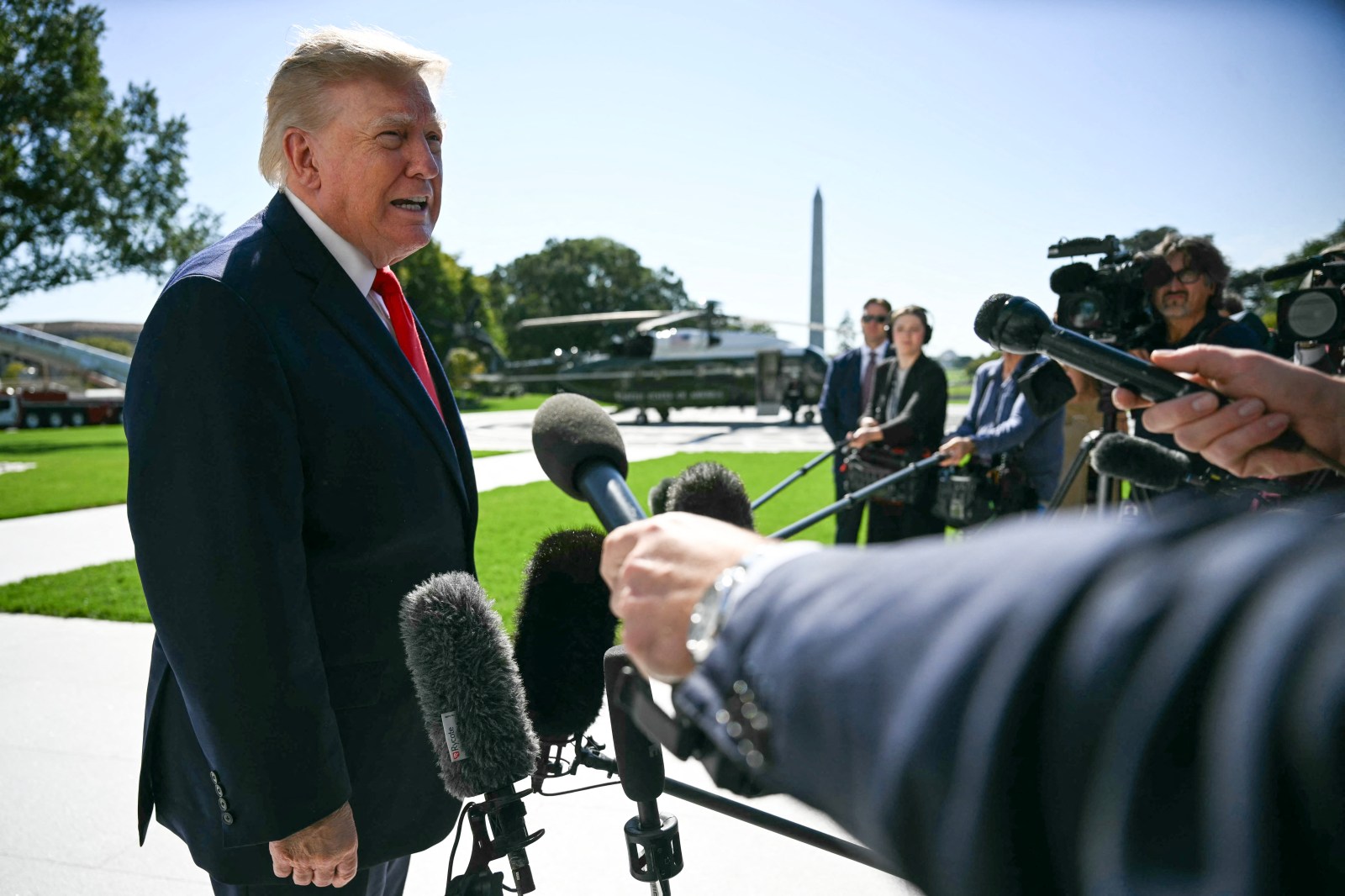
President Donald Trump faces criticism from Republican lawmakers for waiving key measures in a Russia sanctions law he signed last month. Critics argue this move could weaken pressure on Moscow. The law intended to compel Russia to end its war in Ukraine, commencing in February 2022.
On Friday, Trump signed an executive order reducing sanctions and tariffs aimed at pressuring Russia. This drew fire from both parties and Ukrainian President Volodymyr Zelensky, while a senior Russian official approved. Republican Senator Thom Tillis from North Carolina called the decision ‘beyond irresponsible.’ He questioned the President and his advisors by asking, ‘What part of enforcing a law passed 86-11 by the Senate do they not understand?’ Tillis criticized this administration for capitulating to a ‘Russian dictator.’
Representative Don Bacon, a Nebraska Republican, claimed on social media that the President is prolonging the war, instead of ending it. The legislation, named after the late GOP Senator Lindsey Graham, aimed to pressure Moscow by targeting Russian officials, banks, and tanker networks for transporting Russian oil and gas.
Senator John Cornyn, a Texas Republican, also criticized the decision, stating, ‘Lindsey would be appalled.’ Republican Oklahoma Governor Kevin Stitt expressed concern that the proposal risks extending the war in Ukraine without significantly lowering fuel prices.
White House spokeswoman Taylor Rogers told Newsweek that Trump ‘negotiated another great deal’ to supply the global market with diesel and bring prices down. She emphasized Trump’s priorities: lowering prices for farmers, truckers, and families, and urging an end to strikes against refineries, which worsen costs for American consumers.
Patrick Casale, a senior adviser to Nevada GOP chairman Michael McDonald, described Trump’s decision as part of a broader effort to reduce fuel prices, including a recent diesel deal, while seeking to end the war in Ukraine.
Details of Trump’s Sanctions Waiver
On September 18, Trump signed the Lindsey O. Graham Sanctioning Russia and Iran Act of 2026. The executive order waives the application of several sanctions provisions and tariffs authorized under the law. The order specifies that the waiver serves U.S. national interests. The law allows a 500 percent tariff on Russian imports, with specific exceptions. It could also apply 100 percent tariffs on goods from key Russian-origin crude oil and natural gas importers if they make new purchases after October 18.
The waiver temporarily halts these additional duties while in effect. Trump stated in a United Nations address that the U.S. is working closely with Russia and Ukraine to end the conflict, noting the loss of thousands monthly. Trump emphasized he would use his new tariff authorities if necessary, expressing, ‘It’s time to stop the killing.’
Reactions to Sanctions Waiver
Zelensky openly criticized the decision, claiming the U.S. set aside a law meant to pressure Moscow. He highlighted a massive strike on Ukraine’s energy sector, saying Russian attacks targeted more than 15 facilities, causing deaths and injuries.
Meanwhile, Kirill Dmitriev, a special envoy to Russian President Vladimir Putin, praised Trump’s decision, describing the waiver as a historic moment. The waiver adds tension between Washington and Kyiv, given the Trump administration’s approach to Russia and its energy supply efforts.
Democrats Oppose Trump’s Waiver
Senate Minority Leader Chuck Schumer, a New York Democrat, accused Trump of giving Putin a ‘birthday gift.’ Schumer argued that supporting the Russian economy is not aligned with ‘America First’ principles. Senator Richard Blumenthal, a Connecticut Democrat, accused Trump of supporting Russia against U.S. allies and interests. He criticized the waivers for prioritizing relations with Putin over national security concerns.
Context of the Russian Diesel Deal
Trump’s waiver follows the announcement of a week-old diesel deal with Putin, aiming to increase U.S. and global diesel supplies. Both parties argue easing restrictions on Russian energy could provide Moscow additional revenue while its war against Ukraine persists.
Earlier, Tillis and a bipartisan group urged Trump to rescind the diesel agreement. A letter argued the deal benefits Putin financially, harming American security and betraying the Ukrainian people. It called the deal a gift to adversaries that should be rescinded. The executive order makes no direct mention of the diesel deal, and no established link exists between it and the sanctions waivers.
Leave a Reply