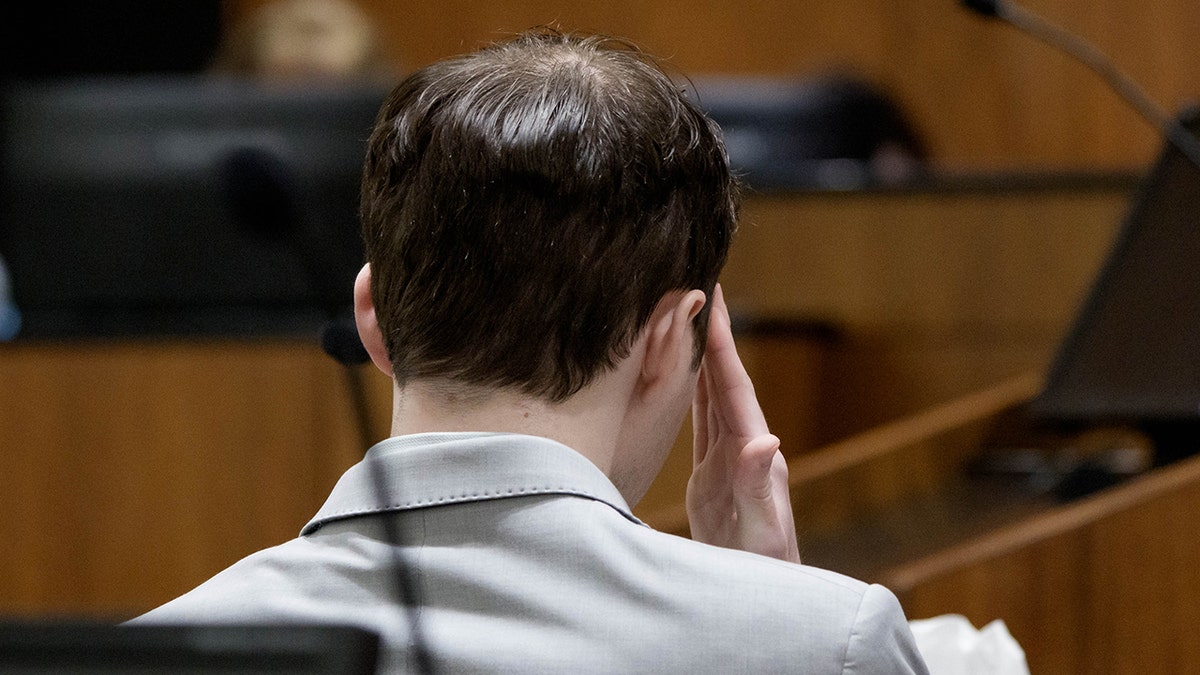
The trial of Tyler Robinson, accused of assassinating Charlie Kirk, is scheduled for June 2028. This high-profile case has attracted significant attention, with legal maneuvers adding complexity to the proceedings.
Attorneys Request to Halt Ballistics Testing
Robinson’s defense attorneys have requested a Utah judge to halt further ballistics testing. The prosecutors aim to link bullet fragments from Kirk’s autopsy to the alleged murder weapon. However, some experts question the necessity of such testing, and prosecutors admit it’s not the centerpiece of their case.
The Utah County Attorney’s Office opposes the defense’s motion, arguing that the testing won’t destroy evidence. They assert that the defense will still have access to the evidence after testing is completed.
“There is no reason to believe the bullet fragments contain exculpatory evidence,” Deputy Utah County Attorney Ryan McBride stated. “On the contrary, all evidence points to their inculpatory value.”
Evidence and Testing Dispute
Robinson reportedly admitted to the shooting. Unspent cartridges found in the rifle and bullet fragments align with the suspected murder weapon, yet a conclusive identification remains elusive. Additional evidence includes video footage and a Dremel tool linking to the brass casings found at the crime scene.
The proposed testing, known as virtual comparison microscopy (VCM), won’t destroy fragments but may alter or damage them. Investigators intend to examine rifling marks, which could involve folding or cleaning fragments.
Robinson’s defense team demands a pause on VCM until they can examine the evidence. They seek permission for a defense expert to observe or record the testing, which the FBI typically prohibits due to contamination and security concerns.
Legal Challenges and Concerns
The defense argues prior testing compromised the evidence, and further damage could impair their ability to challenge conclusions and cross-examine witnesses.
“If the bullet fragment is altered beyond independent comparison, the prejudice is severe,” Robinson’s lawyers contended in court documents. “The defense cannot independently verify conclusions, making cross-examination unfairly limited.”
Despite this, experts argue the concerns might be exaggerated. Initial testing by the ATF documented fragments extensively, with data accessible to the defense.
The Case Progresses
Robinson stands accused of fatally shooting Kirk during a public speaking event at Utah Valley University on September 10, 2025. Prosecutors recovered a bullet jacket and lead fragments from Kirk’s body during the autopsy.
ATF expert Samantha Karner previously examined a jacket fragment, identifying it as part of the .30 caliber class, though she couldn’t conclusively link it to the rifle suspected in the murder.
“Given limited detail observed, she couldn’t include or exclude the fragment as fired from the recovered rifle,” prosecutors noted. “She cited the potential of using a 3D system for better results.”
For this analysis, fragments would require sending to the FBI for VCM, a non-destructive process using 3D technology.
Future Testing Plans
Prosecutors plan metallurgical testing on the bullet jacket and lead fragments, possibly necessitating small cleanings before X-ray examination. They propose comparing metals in fragments with ammunition seized in their investigation.
An examiner might also disassemble one unfired .30-06 cartridge found at Robinson’s home to gather more evidence.
Robinson has pled not guilty to all charges and could face the death penalty if convicted of aggravated murder.
Leave a Reply