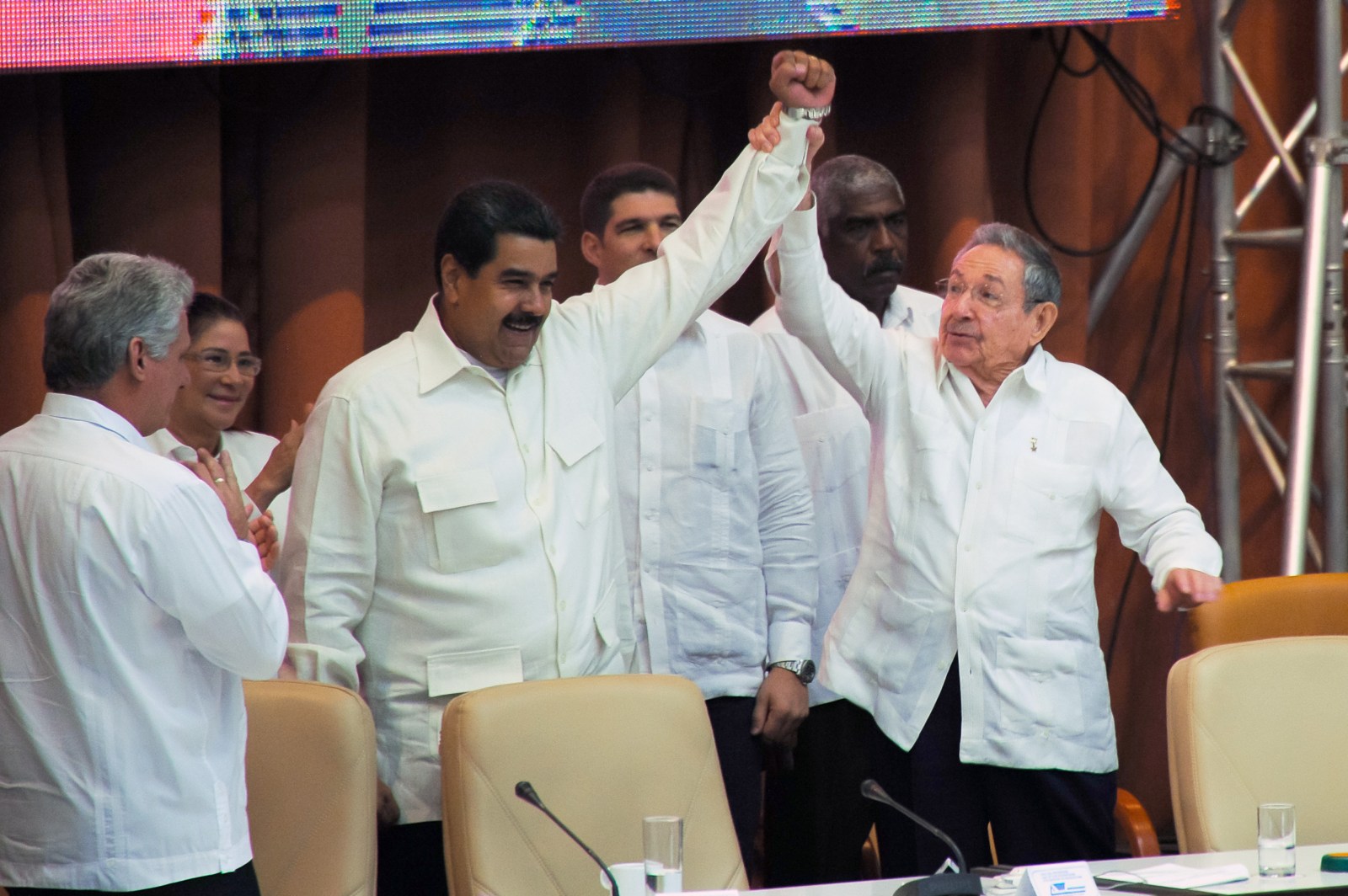
U.S. Indicts Raúl Castro
The U.S. indictment of former Cuban President Raúl Castro has sparked speculation about potential actions from the White House. This move resembles the earlier actions against Venezuelan President Nicolás Maduro, who was seized in a Delta Force raid resulting in casualties among Cuban personnel assigned to guard him. Charged with narco-terrorism during the Trump administration in 2020, Maduro faces trial in New York City.
The 94-year-old Castro, who succeeded his brother Fidel in 2008, is charged for his alleged role in the Cuban military’s 1996 shootdown of civilian planes belonging to an activist group linked to exiled opposition forces. The indictment was disclosed by the Department of Justice.
Heightened Tensions
The decision to indict Castro comes amid escalating tensions between the U.S. and Cuba. Following Maduro’s abduction, an oil blockade on Cuba was announced by the Trump administration, signaling potential military action if no agreement was reached.
Military Actions Against Foreign Foes
In February, Trump launched a military operation against Iran, resulting in the death of Supreme Leader Ayatollah Ali Khamenei. The ongoing conflict has not diverted attention from Cuba, which Trump hinted could be the next target.
“There was an escalation of threats and rhetoric aimed at intimidating and encouraging defections within the government,” noted Christopher Sabatini, senior fellow for Latin America at Chatham House.
Cuba has maintained a steadfast stance, open to dialogue but rejecting U.S. attempts to impose government changes.
Potential U.S. Actions in Cuba
Even before the indictment, analysts speculated it could precede military action. Secretary of State Marco Rubio’s video address in Spanish blamed Cuba’s government for economic issues and promised a new relationship.
Trump, however, signaled no immediate action, stating, “They’ve sort of lost control.” Possible actions include:
- Targeted Special Operations Forces raid, similar to Venezuela.
- Sweeping air war like the operation against Iran.
- Full-scale invasion, though costly and challenging due to asymmetric threats from Cuba’s guerrilla doctrine.
Nearly every scenario requires significant resources currently allocated to the Middle East.
Cuba’s Preparedness
Cuban President Miguel Díaz-Canel expressed readiness to “fight back” if attacked, citing the country’s ideological unity as a defense.
Washington may struggle to find a Venezuelan-style replacement leader due to Cuba’s cohesive elite and lack of independent civil society.
Removing Castro might alter little due to GAESA, a military-led conglomerate deeply embedded in Cuba’s systems.
Legal Concerns
Trump’s strategy of using criminal indictments for military means faces legal challenges.
“Operations clearly violate the rule that force is prohibited except in self-defense or with UN authorization,” stated Tess Bridgeman of Just Security.
Bridgeman argued that indictments are insufficient for military action and would be an act of aggression under international law.
Domestic law requires congressional authorization for war, not met by previous operations in Iran and Venezuela. Benjamin Gedan from the Stimson Center highlighted commandos are not bounty hunters and indictments don’t permit invasion.
Cuban Response
Cuba condemned the U.S. move, challenging the narrative of the 1996 incident, emphasizing self-defense rights and affirming support for Raúl Castro.
The government claimed the incident involved planes from the “Brothers to the Rescue” organization invading Cuban airspace.
Symbolic Pressure
U.S. actions have primarily been economic, legal, and political. The indictment pressures Cuba to negotiate with the U.S.
“Raúl’s retirement is less comfortable,” stated Gedan. “The threat, while credible, serves to leverage negotiations for reforms and investment.”
Richard Feinberg of UC San Diego argued the indictment serves the Cuban American community seeking long-standing vengeance against the Castro family.
Leave a Reply