Canada’s Potential Shift in Trade Partners
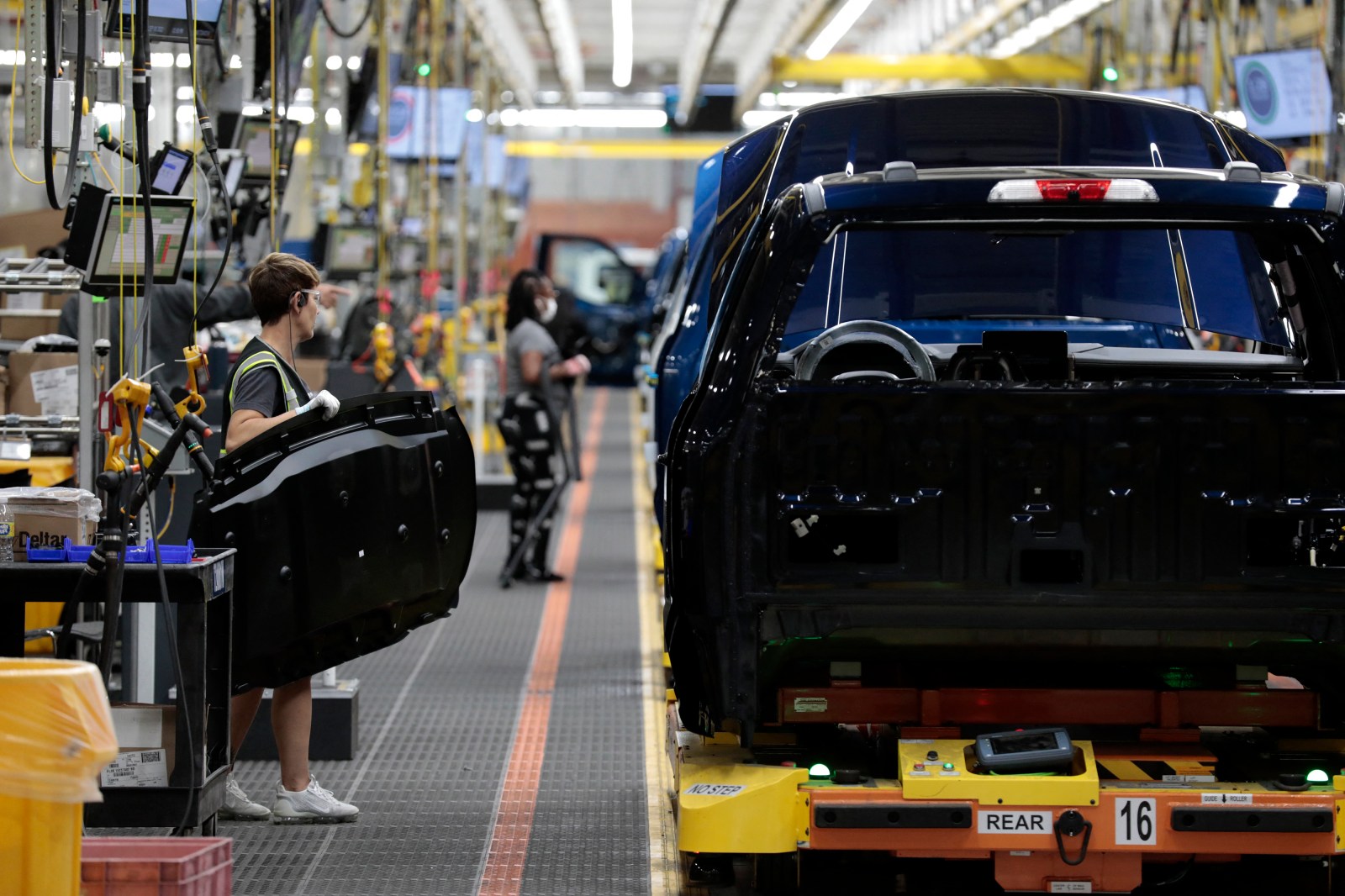
Canadian Prime Minister Mark Carney recently indicated that Canada might explore collaborating with automakers from other countries, including China, due to strained U.S.-Canada relations. This decision could significantly affect Michigan’s economy, as it shares a deep economic link with Canada’s automotive sector.
Prime Minister’s Remarks
During a press briefing, Carney emphasized Canada’s highly skilled automotive workforce. He expressed interest in maximizing their involvement within North America’s integrated market. However, trade policies under former President Donald Trump have disrupted this integration. Despite ongoing discussions with Washington, alternate trade partners in Europe and Asia are under consideration if negotiations falter.
Before a meeting with China’s President Xi Jinping, Carney discussed potential tariff relief and increased collaboration on electric vehicles. Trump has threatened substantial tariffs on Canada should it enter trade agreements with China.
Michigan’s Automotive Economy
Paul Isely, an economics professor at Grand Valley State University, noted Michigan’s dependence on cross-border automotive trade. The state exports between $21 billion and $22 billion worth of vehicles and equipment to Canada, a significant portion of its economy. Automotive sector jobs in Michigan numbered 156,100 as of June 2026.
Jason Miller, from Michigan State University, warned that increasing car imports from Asia or Europe could harm Michigan’s auto parts suppliers. Conversely, attracting non-U.S. automaker assembly operations to Canada could benefit Michigan’s suppliers.
An increased importation of cars from Asia or Europe risks job losses in Michigan. Earlier this year, Canada announced imports of 49,000 Chinese electric vehicles. By 2030, this could rise to 70,000, posing a billion-dollar threat to Michigan’s market.
Jeff Rightmer from Wayne State University highlighted potential job losses and upward cost pressures for residents. For every direct automotive job, three ancillary jobs exist, underlining the sector’s economic significance.
In contrast, Erik Gordon of the University of Michigan speculated on Michigan gaining autoworker jobs in the long run, as U.S. car production might shift from Canada to Michigan due to its larger market size.
U.S.-Canada Relations Under Trump
Historically warm U.S.-Canada relations shifted during Trump’s presidency, impacting trade dynamics. Trump’s administration imposed large tariffs on Canadian goods, prompting retaliatory measures from Canada. Recent events include President Trump proposing changes to Lake Ontario’s name, suggesting Canada become a U.S. state.
Carney compared these tensions to wartime conditions, asserting Canada’s need to adapt its trade strategy to minimize economic risks. The broader question of trade policy consistency impacts Canadian economic strategy moving forward.
Current Trade Negotiations
Negotiations between Canada and the U.S. aim to end the ongoing trade conflict. Canada’s internal trade minister, Dominic LeBlanc, updated on progress, stressing the need for a favorable deal. Canada seeks tariff reductions on steel, aluminum, and autos, along with complete removal of specific tariffs.
The focus is on reaching a deal that boosts economic prospects, with Canada ready to act swiftly if a mutually beneficial agreement is possible.
Looking Ahead
According to Rightmer, monitoring capital investments and supply chain strategies are critical in predicting future disruptions. ‘Detroit 3’ automaker actions will indicate their plans regarding cross-border programs. Sustained investments would reflect temporary challenges; major strategic shifts would suggest deeper issues.
Michigan’s economic landscape will remain closely linked to these developments, as broader geopolitical tensions continue to influence regional and national economies.
Leave a Reply