The Iran conflict continues to pose significant political challenges for the United States as it nears its seventh month. Initially expected to be a short-term operation, officials now hesitate to provide a definitive timeline for its conclusion.
Ambassador’s Remarks
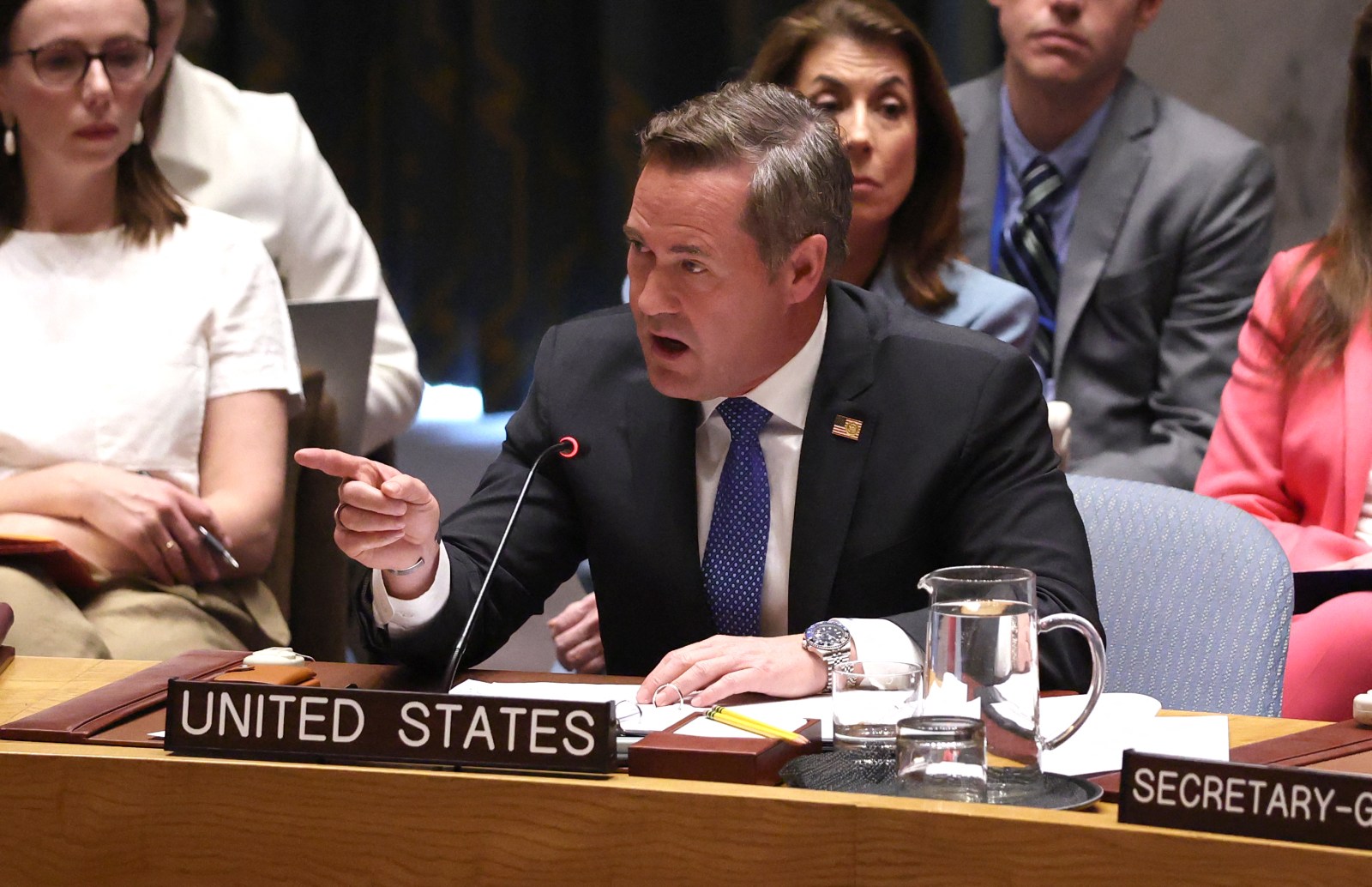
Mike Waltz, the U.S. Ambassador to the United Nations, emphasized on CNN’s State of the Union that setting a firm timeline for the conflict’s end is not advisable. This stance contrasts with prior assertions by President Donald Trump that the war would conclude in weeks. Trump’s forecast has not materialized, and the U.S. remains deeply involved.
Waltz defended the administration’s strategies, citing economic pressure and a naval blockade on Iran as effective measures. This comes amidst increasing regional tension, with Iran threatening retaliation against any new U.S. attacks and escalating hostility from Iran-backed Houthi forces near key shipping routes.
Voter Sentiment
An NBC News poll reveals predominant voter dissatisfaction with the conflict. A striking 62% believe the war has not been worth the cost. Additionally, 57% are less inclined to support candidates who favor the ongoing war effort. Democrats hold a slight advantage in voter trust regarding the conflict’s management.
The poll also highlights a broader discontent with the current administration, with only 41% approving of Trump’s performance. Economic issues, prominently attributed to Trump’s policies, are affecting voter sentiment, with 55% feeling these policies have harmed the economy.
Republicans Breaking Rank
Within the Republican Party, dissent is growing. Recently, seven House Republicans sided with Democrats on a resolution calling for congressional approval before any further military actions against Iran. This resolution, although largely symbolic, marks the largest Republican break on the issue.
Notable among these Republicans are Iowa Representatives Zach Nunn and Mariannette Miller-Meeks, both in competitive districts. Nunn, a veteran, expressed opposition to engaging in another prolonged war. Miller-Meeks demanded clarity from the President on the conflict’s endgame.
Economic Concerns
Economic consequences of the war, particularly on energy prices, are fueling political risk. Previous surveys highlight the war’s impact on rising oil and gas costs, notably during critical agricultural periods in rural states. Such economic issues compound the challenge for Republicans preparing for midterms.
Disruptions in vital shipping corridors like the Strait of Hormuz further exacerbate global market uncertainties, intensifying concerns about Trump’s handling of economic issues related to the conflict.
Future Outlook
President Trump initially campaigned heavily on issues like immigration and border security, but the Iran conflict and economic challenges have redirected the focus. Divergences within his coalition and among Republican candidates over U.S. involvement strategies are increasingly visible.
For Democrats, these developments offer avenues to critique the administration’s priorities, linking the Iran war to broader economic strains facing American households. As midterms approach, Republicans must address voter skepticism over a conflict initially touted as brief but now lacking a clear path to resolution.
The administration insists its strategy is effectual, but without diplomatic progress and amidst escalating costs and threats, the pressure mounts for a feasible exit strategy.
Leave a Reply