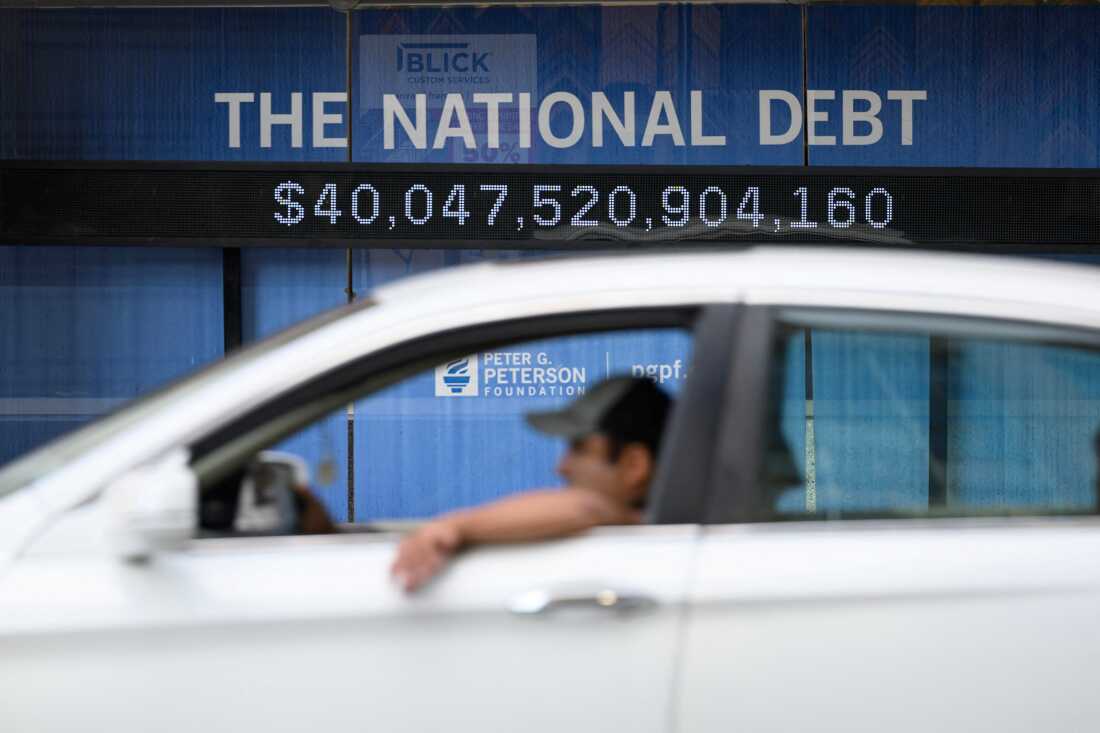
The federal debt has reached $40 trillion, marking a significant milestone in the nation’s financial history. Investors are seeking higher interest rates for government bonds due to this growing debt load.
Impact on Government Spending
This enormous level of debt results in over $1 trillion in annual interest payments, the second-largest government expense after Social Security. Historically, debt grows during recessions and stabilizes during periods of economic expansion. However, recent years have seen persistent large deficits even amidst economic growth. Since 2017, the debt has doubled.
The aging population, particularly baby boomers, is a factor in increased spending for Social Security and Medicare. Political decisions, such as war expenditures, tax cuts, and expanded social safety nets, have also contributed.
Consequences for Individuals
The federal debt indirectly constrains government priorities and directly impacts borrowing costs. As interest rates on Treasurys rise, so do rates on mortgages, car loans, and credit cards. For instance, the rate on 30-year home loans is nearing 6.7%.
Michael Peterson from the Peter G. Peterson Foundation explains that increased borrowing by the government leads to higher rates across various financial products.
Washington’s Response
The Treasury Department is trying to manage bond yields. Treasury Secretary Scott Bessent announced an increase in the bond buy-back program, initially lowering yields. However, the impact was transient, with yields on 10- and 30-year Treasurys rebounding quickly.
Efforts to stabilize the Japanese yen include measures to prevent Japan from selling its U.S. Treasurys. Ultimately, Congress may have to raise taxes and cut spending to address the debt. Fiscal responsibility has waned among lawmakers but might regain focus following market signals.
Carolyn Bordeaux from the Concord Coalition emphasizes bipartisan responsibility in managing the debt, stating that $40 trillion should prompt serious action.
Leave a Reply