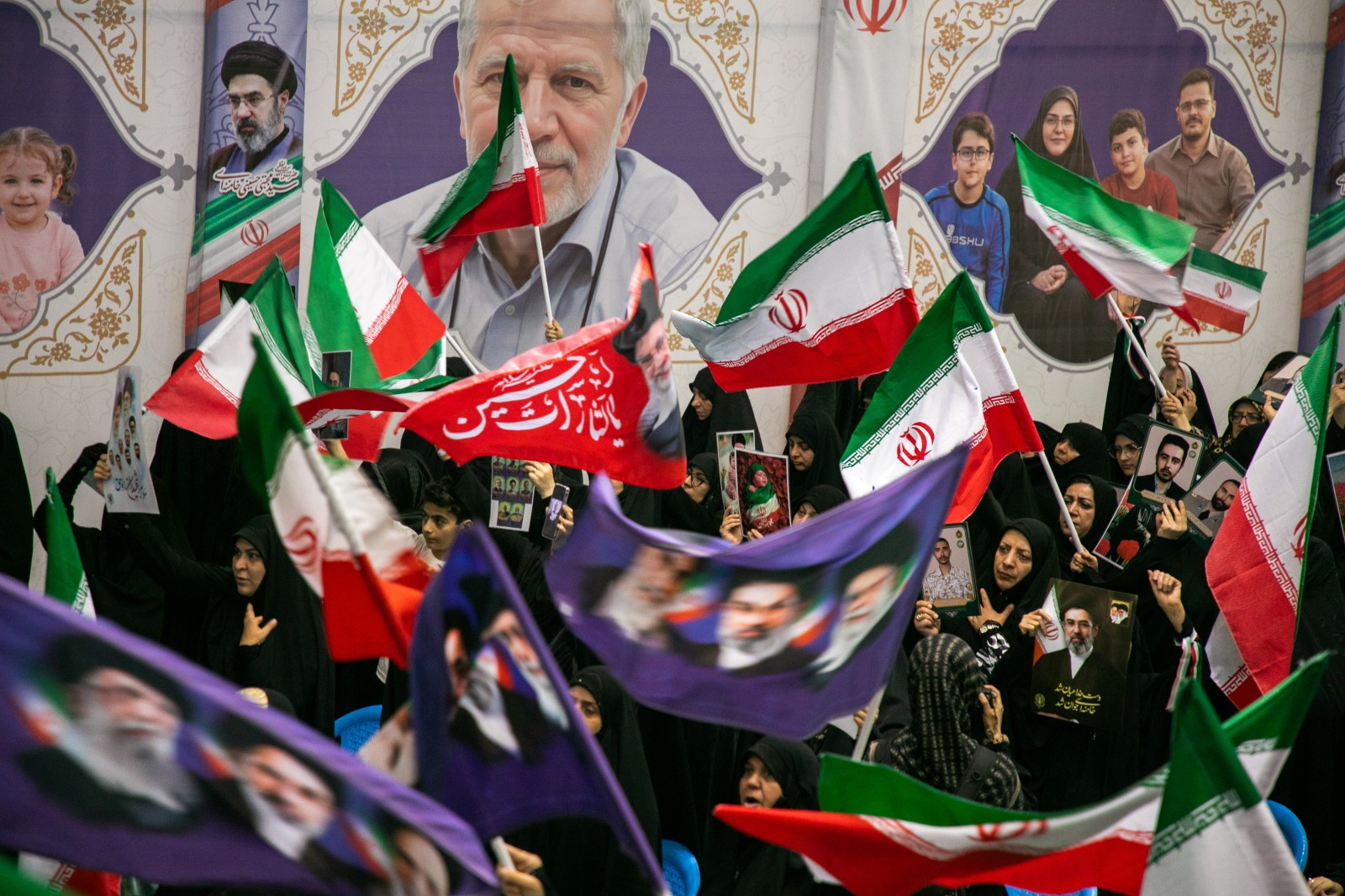
President Donald Trump recently suggested that a deal with Tehran is nearly complete. However, Iranian officials have expressed resistance to the U.S., highlighting diverging views on the prospect of resolving the Iran War. As Trump raised expectations on Saturday, a U.S. official later managed these expectations by stating that Iran’s leadership could need several days to agree on a resolution for the war that began on February 28 and reached a ceasefire on April 7.
Financial markets reacted positively to hope for reopening the Strait of Hormuz, crucial for global oil transit, which Iran currently restricts. Nevertheless, an Iranian official on Monday emphasized Iran’s refusal to succumb to U.S. pressure, stating that “time was against” Trump. The status of Iran’s nuclear program remains a contentious issue, with both parties interpreting the memorandum of understanding (MOU) regarding hostilities differently.
U.S. Perspective
Trump claimed that a deal to end the conflict had been “largely negotiated,” although a senior U.S. official told Axios that an agreement was not immediately forthcoming. Officials like Supreme Leader Mojtaba Khamenei might need time to approve it. A senior U.S. official expressed optimism about the negotiations’ place but acknowledged that reaching an agreement remains uncertain.
Secretary of State Marco Rubio, while in India, mentioned that U.S. and Iranian negotiators had substantial progress and a deal could be imminent. The potential agreement includes a 60-day ceasefire extension, reopening the Strait of Hormuz, and further discussing Iran’s nuclear program.
Iran’s Response
On Monday, Iranian officials delivered defiant messages, stopping short of dismissing the deal. The nuclear program remains unresolved, and Ebrahim Rezaei, spokesperson for Iran’s National Security and Foreign Policy Commission, critiqued the American approach. He remarked that the U.S. should negotiate if it seeks an agreement.
Citing an Iranian source, Reuters reported the Supreme Leader had not approved the deal’s framework. Trump prioritizes preventing Iran’s nuclear weapon development. Iran has stated it will not construct such weapons, but the Supreme Leader has not commented recently.
Disagreements Over the Nuclear Program
Iranian Foreign Ministry spokesman Esmaeil Baghaei noted that ending the war is the negotiation’s focus, not the nuclear issue. Trump demands that Iran refrain from uranium enrichment crucial for nuclear weapons. Iran opposes new program restrictions.
The U.S. president asserted that Iran must export its highly enriched uranium (HEU) for a pact’s success. Iranian media reported no such commitment has been made. Hossein Noushabadi of Iran’s Foreign Ministry dispelled rumors of a 20-year uranium enrichment suspension.
Nuclear discussions will occur within a 60-day period in exchange for sanctions lifting, releasing Iran’s blocked assets, and U.S. forces withdrawing from nearby areas.
Strait of Hormuz Control
Trump stated that reopening the Strait of Hormuz is part of any agreement, albeit without specifying Iran’s waterway control terms. Iran insists on retaining strait sovereignty, potentially involving tolls.
Under the peace proposal, the strait would reopen gradually as the U.S. ends its port blockade. Trump affirmed this blockade’s continuation until an agreement is “reached, certified, and signed.” Iran might sell oil via sanctions waivers during a 60-day negotiation period.
The Institute for the Study of War (ISW) highlighted that Tehran considers itself negotiating from strength, aiming to reshape the regional order to its advantage. Iranian officials maintain that a deal must cease conflict on all fronts, including Lebanon, where Israel fights Tehran-backed Hezbollah. Trump supports Israel in its conflict, urging Prime Minister Benjamin Netanyahu to ease strikes in Lebanon.
Leave a Reply