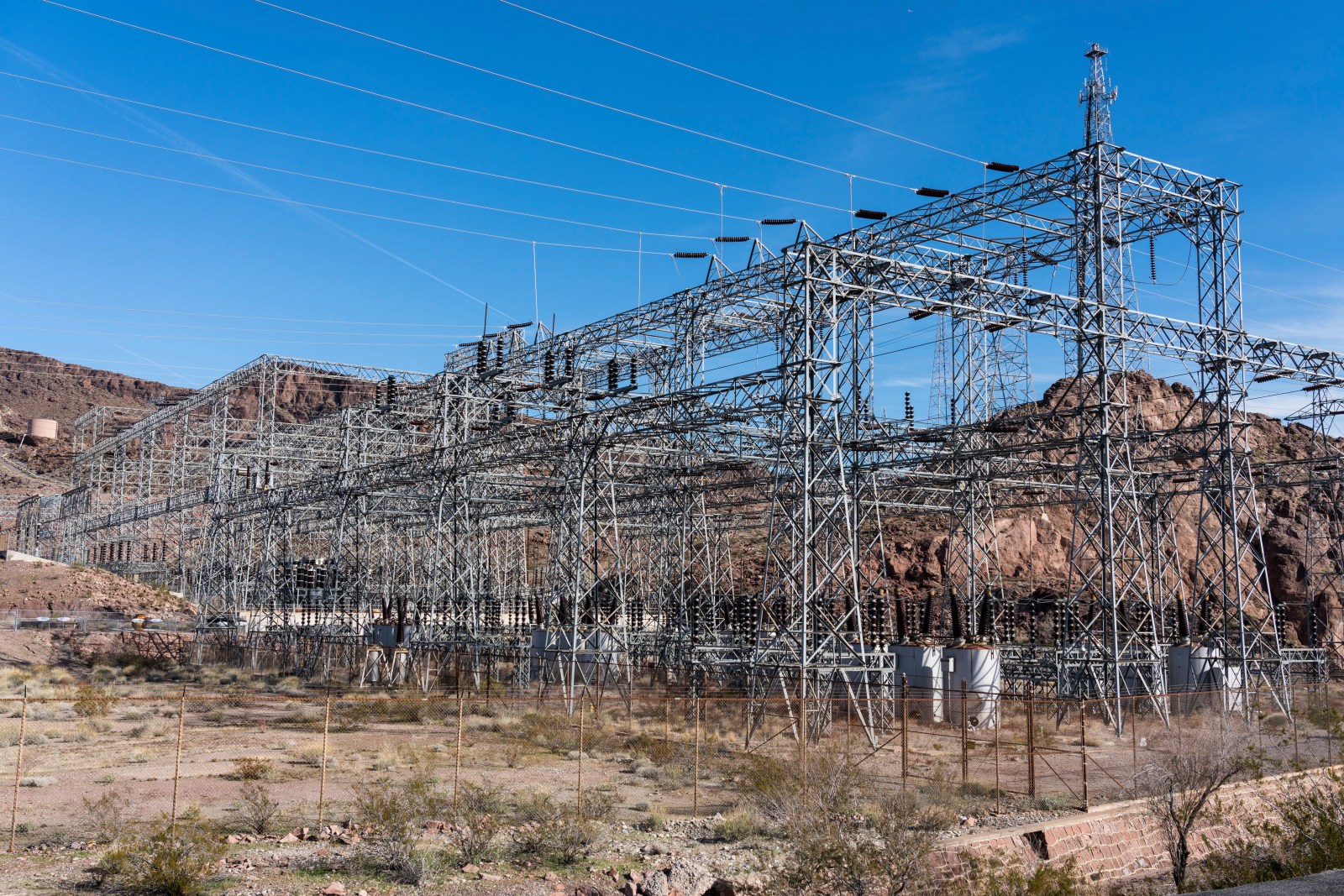
A study by Johns Hopkins University warns that the U.S. power grid may face a shortfall in transformers and critical equipment by 2027. This could lead to acute shortages by 2030. The Department of Energy has been contacted by Newsweek for comments on this issue.
Importance of Transformers
A deficit of transformers could hinder new power plants, renewable energy projects, electric vehicle infrastructures, and AI data centers. Without sufficient transformers, new electricity sources cannot connect to the grid.
This type of equipment was taken for granted, but without it, you can build a data center or a power plant but it won’t be powered because you cannot connect it to the grid,said lead author Yury Dvorkin.
Dvorkin explains consumers will face higher electric bills and frequent power outages due to these bottlenecks.
Everyday Americans will feel the transformer shortages on their skin in two places. First, in their electricity bill and, second, indirectly by lower reliability of their power supply. In other words, they will pay more and get less, and potentially far more and far less if current expectations for load growth hold,he added.
Challenges in Equipment Replacement
Many transformers are decades old and nearing the end of their life. The study highlights that transformers are integral to electricity distribution. Each unit of electricity passes through several transformers during its journey from production to consumption.
Transformers require years for manufacturing, with lead times increasing from six months to over two years. By 2030, a high-demand scenario could lead to a 15% shortfall in transformers and a 30% deficit in other grid equipment. This demand growth, projected at 21% by 2030, poses a significant challenge.
AI and Data Center Impact
Data centers, essential for AI systems, are a leading cause of expected equipment shortages. According to Harvard research, large data centers can consume as much power as a small country. The Lawrence Berkeley National Laboratory predicts that data centers will account for nearly 12% of U.S. electricity use by 2030. This increase in consumption has raised concerns over the infrastructure needed to distribute power effectively.
Supply Chain Concerns
International trade disruptions could worsen shortages. Key materials like copper, steel, and nickel are obtained from international partners. Policymakers and utilities must plan equipment procurement years in advance to prevent shortages from obstructing electricity supply. Dvorkin stresses that maintaining existing transformers will also become more costly.
The final point to make is that it is not only new equipment. In a stretched market, keeping existing transformers running costs more as well: parts, repairs, and maintenance all go up. This industry runs on thin margins, so every one of those increases gets passed down on consumers,Dvorkin remarked.
With unsatisfied demand for transformers and converters, grid reliability might decline. Rapid electricity demand growth from data centers places additional stress on equipment, accelerating wear and tear.
Leave a Reply