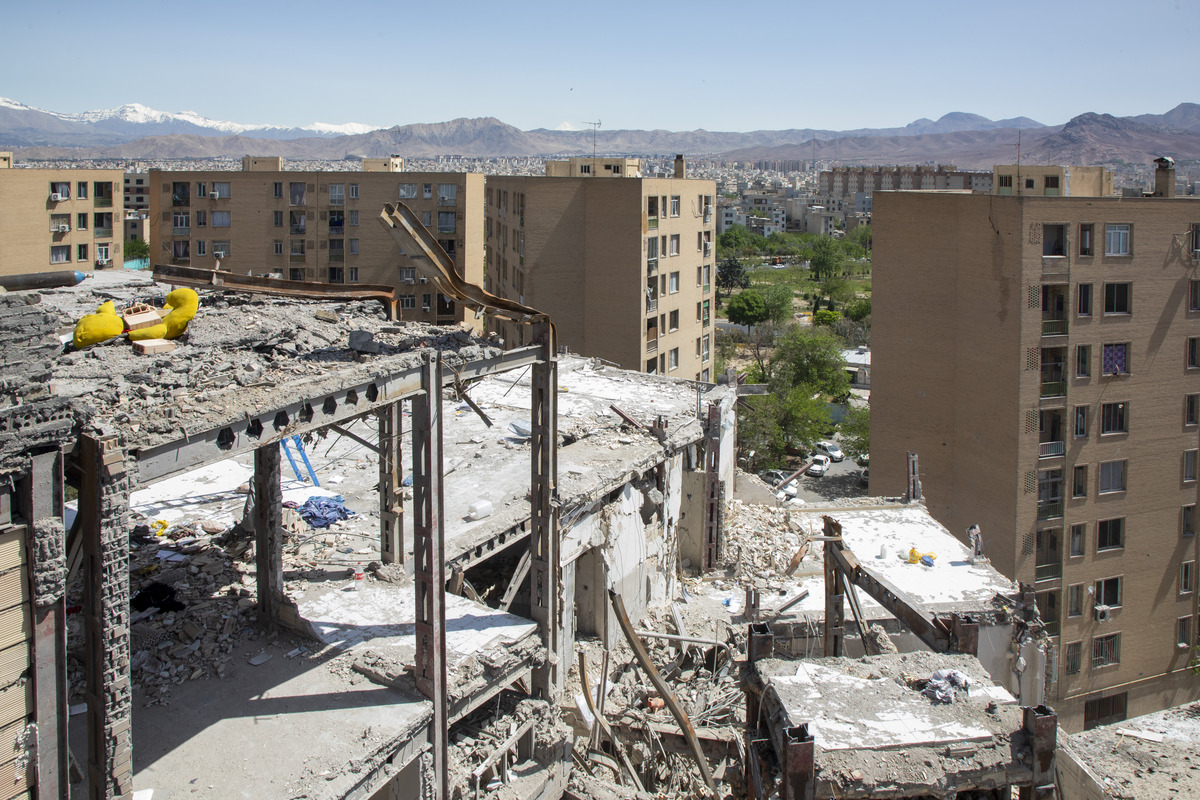
U.S. administration officials have clarified that no American money will be sent to Iran as reparations. Vice President JD Vance stated that no U.S. taxpayer money will go to Tehran. However, a misunderstanding arose because a deal signed by President Donald Trump includes a potential $300 billion Reconstruction and Development Fund for Iran. This fund would assist Iran in rebuilding after joint U.S.-Israeli military actions and support its stressed economy.
Within the agreement, one section calls for a detailed plan to be finalized within 60 days while nuclear negotiations proceed. Due to the cancellation of talks in Switzerland, details on the fund’s operation and investors remain unclear.
Private Investments and U.S. Sanctions
American officials insist the money will not come from U.S. taxpayers to avoid political backlash before upcoming elections. Instead, the funding will rely on private investments. The U.S. will control waivers and permissions for any deals while current sanctions against Iran remain.
Gulf Arab states are expected to contribute significantly, and the agreement mentions ‘regional partners.’ Companies from various global regions have already pledged half of the funds required, according to Reuters. Yet, any economic benefits for Iran hinge on its willingness to undergo significant internal changes, as noted by Vance.
Potential Investments and Economic Recovery
One example presented by Vance involves the potential for lifting sanctions to allow the UAE to invest in an Iranian power plant. This could be an aid to Iran’s population and separate from aiding the regime itself, according to H. A. Hellyer of the Royal United Services Institute.
For this to occur, certain U.S. economic measures against Iran would need revision to avoid penalizing Emirati companies. Nevertheless, the U.A.E. has the capacity to undertake such projects if conditions are favorable, as stated by Fawaz Gerges from the London School of Economics.
Investments might target Iran’s damaged power grid, which has been seriously affected by the conflict. Reestablishing Iran’s connections with the SWIFT banking system is another urgent priority. Experts remain uncertain if the full $300 billion fund will be realized, given the complexities of easing long-standing sanctions established by Congress.
Frozen Assets and Oil Waivers
Frozen Iranian assets remain a critical issue, with President Trump hinting at the potential release of these funds. There’s recognition that at some point, returning these assets may be inevitable to maintain investor confidence in the U.S. dollar.
The U.S. has indicated a willingness to assist in unlocking these assets, estimated as high as $100 billion, locked in countries such as China, Iraq, India, and Qatar. Iranian officials prioritize the release of the first $12 billion.
The U.S. may also issue waivers on Iranian oil, which could jump-start Iran’s economy even before a conclusive deal on nuclear issues. This would be significant given Iran’s dependence on oil revenue and the implications of U.S. port blockades.
Historical Comparisons and Future Impact
While the U.S. does not typically provide reparations, it has previously engaged in post-conflict reconstruction and compensation initiatives. Historical examples include reconstruction programs post-World War II and reparations after the Gulf War.
Iran has demanded reparations for the damages from U.S. and Israeli actions. The private investment fund represents a potential compromise to nudge nuclear negotiations forward. The effect of $300 billion in investments could stabilize Iran’s economy in the short term, although it is not sufficient to address all economic damages from the conflict, according to Hellyer.
Leave a Reply