Nearly every U.S. state has completed its budget for the 2027 fiscal year. Several states have included measures to return taxes to citizens. Lawmakers face challenges such as multi-billion-dollar shortfalls and underfunding in key social programs. The National Conference of State Legislatures (NCSL) highlights plateauing revenue growth as a major pressure. This trend may push state leaders to budget more cautiously.
Despite tighter fiscal circumstances, some states are cutting taxes, while others opt for rebates and refunds. Elevated inflation has increased living costs, such as housing, groceries, insurance, and utilities. However, wage growth lags behind these expenses, particularly affecting lower- and middle-income households.
California
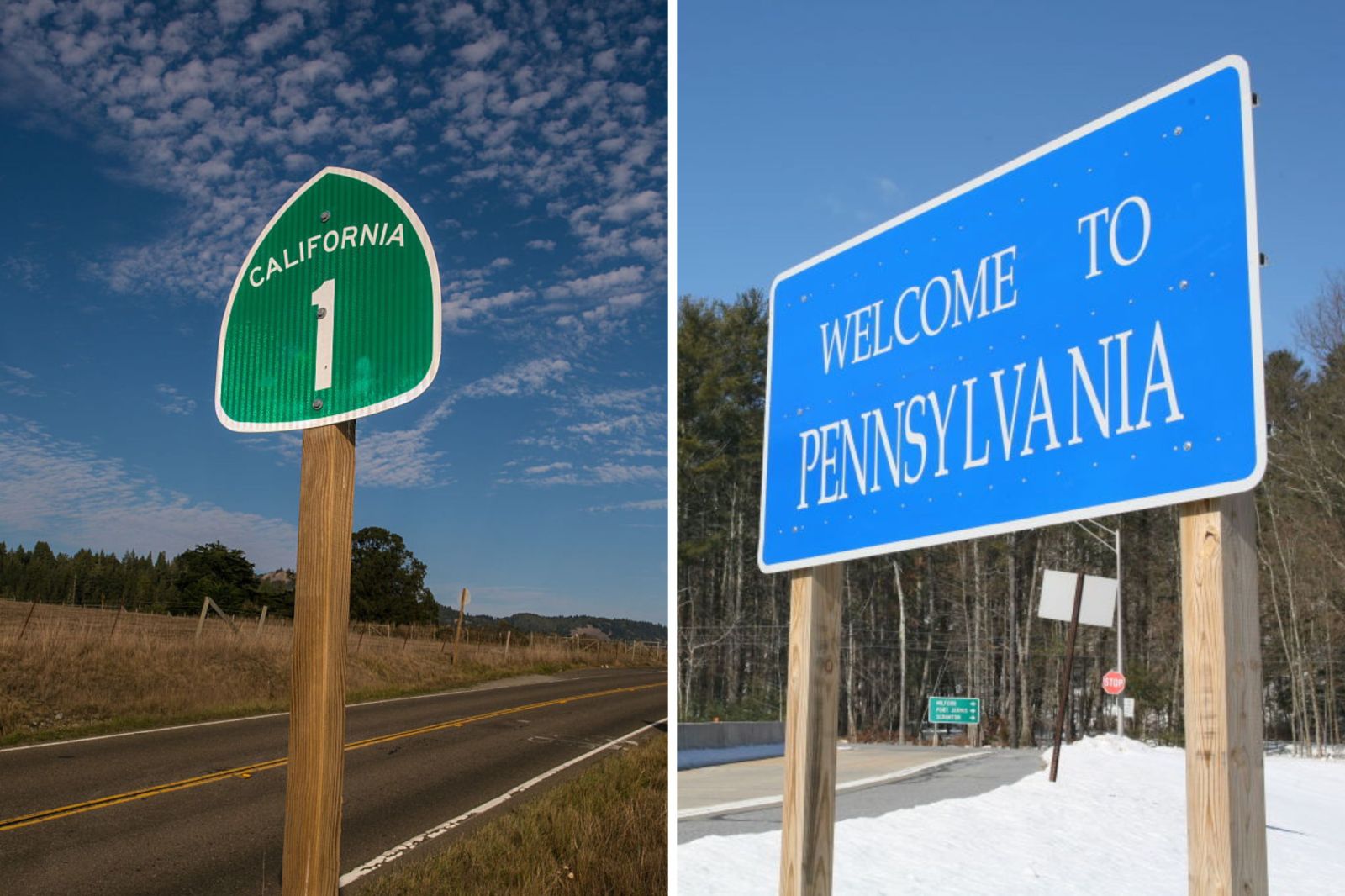
California’s Budget Act of 2026 prioritized green-energy rebates, compensating for the loss of some federal incentives. The state allocated funds for Senate Bill 168, a trailer bill. This bill offers a $3,500 rebate for first-time buyers of electric vehicles under $50,000 and a $1,750 rebate for those under $25,000.
New Jersey
Governor Mikie Sherrill signed New Jersey’s $60.7 billion budget, allocating $4.1 billion for property tax relief. Changes to the Stay NJ initiative, launched in 2025, help older residents by reducing their property tax burden. The income cap lowered from $500,000 to $200,000, but homeowners can still receive a maximum annual benefit of up to $6,500.
New York
Governor Kathy Hochul signed New York’s budget, allocating $1 billion for a one-time “Protecting Our Wallets Energy Rebate.” These checks, distributed from September to December 2026, depend on income and filing status. Joint filers earning under $150,000 will receive $200, those between $150,000 and $300,000 will get $150, and single filers earning less than $150,000 will receive $100.
Pennsylvania
Pennsylvania’s 2027 financial year plan includes expanded tax credits and property tax rebate programs. According to Governor Josh Shapiro’s office, the property tax/rent rebate program has distributed over $1 billion through 1.84 million rebates in four years. As of early July, 376,000 rebates, totaling $226.4 million, were sent to seniors, widows, widowers, and people with disabilities who applied for property tax or rent rebates in 2025.
Applications for next year’s rebates are open until the end of the year.
Other States
Other states return money to taxpayers with programs not directly tied to new budgets. South Dakota raised sales taxes to fund property-tax relief for homeowners.
Georgia issued another round of surplus tax refunds under HB 1000, authorized in March. Eligible taxpayers who filed 2024 and 2025 returns on time received $250 for single filers, $375 for heads of households, and $500 for married, joint filers. “Georgians know best how to spend their money, not the government,” said Governor Brian Kemp.
For further inquiries, contact Newsweek editors John Fitzpatrick and Gray R. Thomas.
Leave a Reply