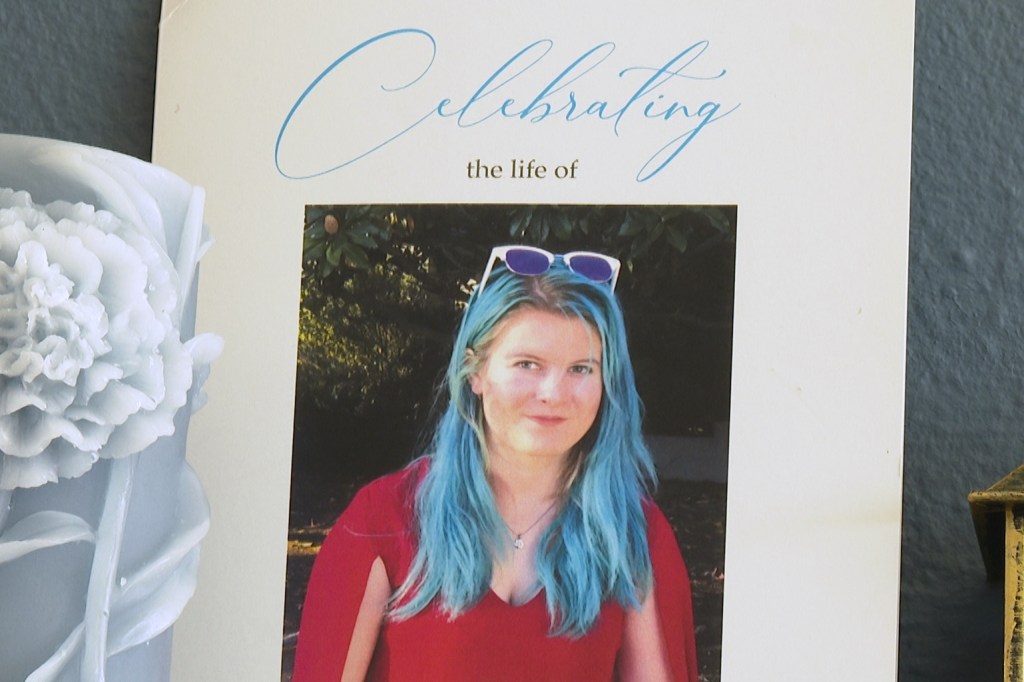
Luna Moore chose Uber for safe travel after drinking with her friend Emily Normandin-Parker. The ride turned tense when Moore felt nauseous on a Southern California freeway, partly due to driver Vu Tran’s erratic lane changes. Unable to find a bag, Moore vomited out the window. Rather than stopping safely, Tran halted on a freeway divider, demanded $300 for cleaning, and forced them out, leaving them stranded.
Moore tried to follow Emily, who sought help by walking into traffic, but Tran blocked Moore. Emily tragically was hit and killed by a vehicle. She was 23 at the time. Moore grappled with loss and was involved in a legal case against Uber and Tran initiated by Emily’s parents.
The case revealed Uber’s intense legal challenge tactics. Moore faced invasive questions about her drinking, childhood, and past abuse. Uber denied direct questioning, blaming the driver’s lawyers. However, deposition transcripts showed Uber’s involvement in harsh questioning strategies.
Uber faced similar allegations in other cases, showing a pattern of asking for extensive medical and personal records. Plaintiffs’ lawyers indicated these tactics aim to discourage legal action by mentally exhausting claimants. In one instance, Uber reportedly sought Emily’s parents’ silence about the settlement details.
The $40 million legal outcome, with Moore awarded $300,000, could not heal the emotional wounds. Moore’s deposition was grueling, with relentless questioning on irrelevant topics like her attire on the night of the incident. Over time, she refused to succumb, motivated by her friend’s memory.
Uber maintains its defense of legal practices, citing the necessity of investigating injury claims. Yet, lawyers argue Uber uses these tactics extensively, pressuring plaintiffs and potentially leading them to withdraw claims. Moore never considered quitting the legal battle, driven by her dedication to Emily.
Californian attorney Brooke Soliz Bremmer described how Uber’s tactics extend to routine accident cases, challenging passengers even when they aren’t at fault. Lawyer Alex Boris criticized the broad subpoena of medical histories. Uber claims these reviews are essential for fair compensation, citing protection against fabricated claims.
California court findings emphasized overreach, with judicial restrictions placed on Uber’s discovery practices. Emily’s legacy continues through Moore, who channels her grief into advocacy and personal growth. During her deposition, when offered a break to cry, Moore declined, electing to face the grueling questioning head-on, highlighting her resolve.
Leave a Reply