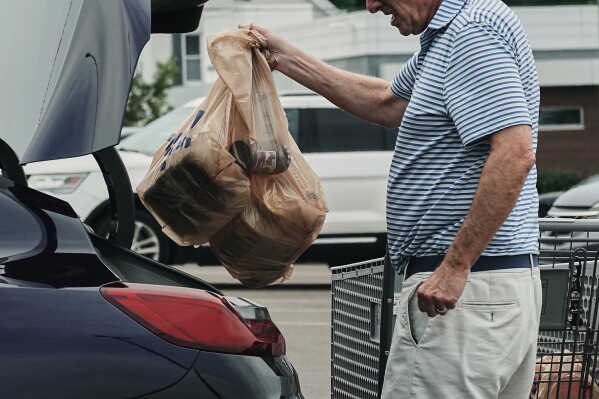
Soft, stretchy plastics, like grocery bags and bubble wrap, are common in daily life. Disposing of them can be challenging. If left in landfills, these materials take centuries to break down, releasing harmful microplastics.
According to the Environmental Protection Agency, over 3 million tons of plastic bags, sacks, and wraps ended up in U.S. landfills in 2018. Recycling these plastics can jam machinery, and items left in curbside bins can disrupt the recycling process.
“Once they get shredded or even before, a lot of times they just clog recycling equipment,” said Erha Andini, a chemical engineering expert.
The production of plastics is unlikely to slow down, especially as global treaties to limit plastic production have faced significant resistance, particularly from oil-producing nations. Proper management of these flexible plastics, also called plastic films, depends on their type and location.
Identifying Plastic Films
Plastic films vary greatly. Compare harder plastics like water bottles with softer films such as bread bags and cereal bags. Look for the familiar three-arrow logo with a number, indicating the type of plastic. Many films display a two or four, denoting high or low-density polyethylene. Such items often qualify for recycling at designated grocery or convenience stores.
Films lacking these numbers might involve complex, layered plastics, like meat packaging films. Placing these in general recycling without confirmation—sometimes called wishcycling—can hinder proper processing.
Proper Disposal of Plastic Bags
Avoid mixing plastic films with general household recycling. Instead, drop them off at specific bins in grocery or convenience stores. Recyclers can then transform these materials into new products like outdoor furniture. Companies like Trex offer drop-off point locators for convenience.
Check local store and area regulations to understand what plastics are accepted. Before donating, ensure plastics are clean and free from food residue, and remove unwanted items like receipts.
Alternative Solutions
If accessing drop-off locations is inconvenient, try reducing plastic usage altogether. Opt for reusable bags and avoid unnecessary plastic packaging. Although some plastic wrap is essential for food preservation, small changes can still make a difference. Consider choosing unpacked items like individual fruits.
Shopping locally or secondhand helps avoid packaging from shipped goods.
Creative Reuse of Plastic Bags
Repurpose plastic bags to extend their use. Reuse them for grocery shopping, trash bins, or other practical needs like storing wet clothes. Even if items eventually reach the trash, incremental improvements are worthwhile.
“Small swaps and changes are better than nothing,” emphasized Sobkowicz.
The Associated Press Health and Science Department maintains responsibility for this content, with support from the Howard Hughes Medical Institute’s Science Education and the Robert Wood Johnson Foundation.
Leave a Reply