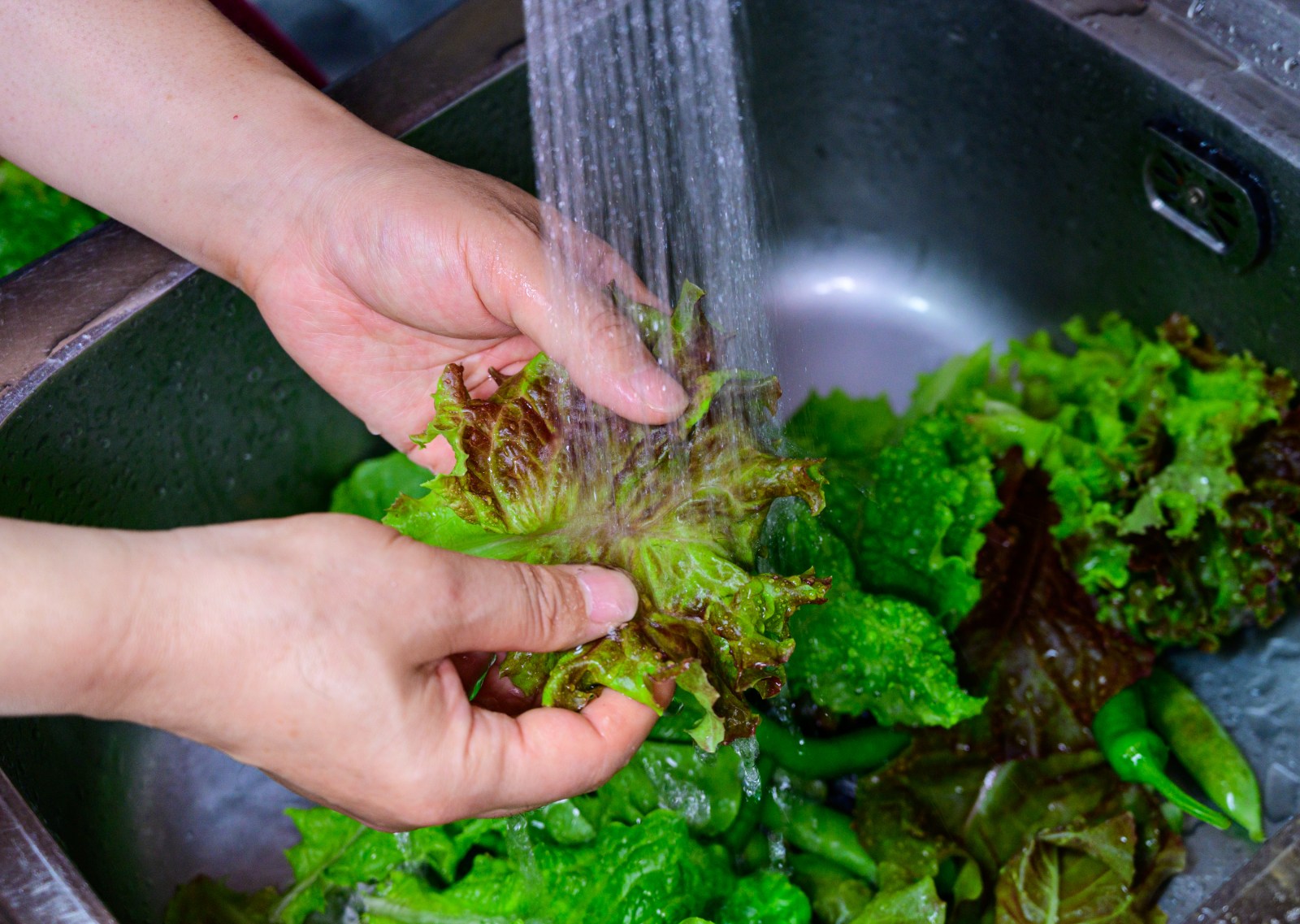
As health officials investigate a rise in cyclosporiasis cases in the U.S., consumers are concerned about the safety of fruits and vegetables. Food safety experts clarify that while no fresh produce is entirely risk-free, some items pose a lower risk than others due to their growth, processing, or preparation methods. The Centers for Disease Control and Prevention (CDC) is probing hundreds of confirmed cyclosporiasis cases across at least 31 states. Common symptoms include watery diarrhea, nausea, fatigue, stomach cramps, and sometimes intense bowel movements lasting for weeks if untreated. Previous outbreaks have linked the illness to fresh produce like bagged salads, cilantro, basil, and various fruits and vegetables. The current spike hasn’t yet been traced to a specific source.
About the Cyclospora Parasite
Cyclospora cayetanensis, a microscopic parasite, causes the illness by contaminating food or water with human fecal matter. Infection occurs when people consume contaminated food or water. Unlike many pathogens, cyclospora only affects humans and requires environmental time to become infectious. Outbreaks usually connect to contaminated fresh produce rather than direct person-to-person spread. The U.S. Food and Drug Administration (FDA) notes that cyclospora is linked to fresh fruits and vegetables both in the U.S. and globally. The parasite resists common disinfectants like chlorine-based produce washes, making elimination difficult.
Keeping Food Safe from Cyclospora
Fresh produce frequently associates with cyclospora outbreaks due to field contamination through water or inadequate sanitation, as per the FDA. Specialists advise that while not avoiding produce, understanding risk levels is crucial. Fresh herbs, leafy greens, and delicate berries present higher risks due to raw consumption and cleaning challenges. In contrast, canned fruits and vegetables are safer due to heat processing.
Low-Risk Fruits and Vegetables
According to Professor Rodney Rohde, fruits with thick, inedible peels usually pose the lowest risks. These include bananas, citrus, avocados, pineapples, watermelons, and mangoes. Rohde suggests minimizing risk by avoiding produce implicated in outbreak investigations, choosing cooked vegetables, and opting for fruits that are peeled before eating.
Certain items like raspberries and cilantro are more susceptible to the parasite, explained University of Delaware Professor Kalmia Kniel. Cyclospora oocysts attach to hair-like projections on such produce. Smoother surfaces like blueberries are less prone to attachment. Cooked produce is safer since the cooking process can inactivate the parasite.
Commonly Cooked Vegetables
- Corn
- Green beans
- Peas (though raw pea pods have previously been outbreak sources)
- Squash
- Cooked spinach
Cooking effectively inactivates oocysts, making it a valuable safety practice.
Home-Grown Produce and Cyclospora Risk
Growing at home or sourcing from farmers’ markets might lessen contamination risks linked to commercial farming but doesn’t entirely negate cyclospora chances. The parasite can enter through contaminated water, soil, or sanitation mishaps. Rohde advises that home or market produce can pose lower risks if safe practices are employed, akin to commercial operations.
Watering methods impact cyclospora presence. Drip irrigation, directly watering plant roots, may reduce risk for above-ground produce like tomatoes, said University of Florida’s Keith Schneider. However, contaminated drip irrigation water still risks root vegetables.
Consumers should wash produce under running water, refrigerate cut produce, avoid foods linked to recalls, and prefer cooked or canned items when risk-conscious.
Looking Ahead
The outbreak’s source remains unidentified. As investigations progress, public health bodies emphasize that fruits and vegetables remain crucial to a healthy diet.
Leave a Reply