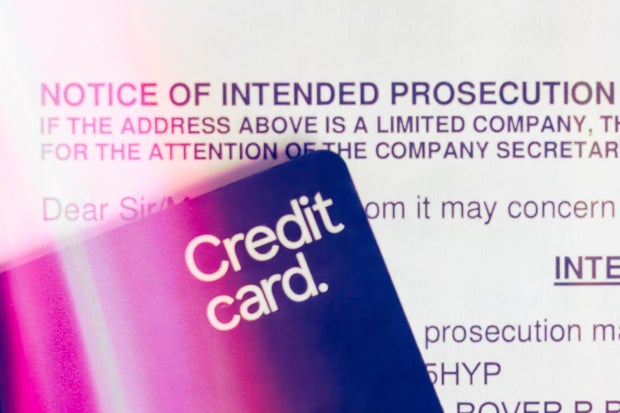
The silence from debt collectors might be refreshing, yet it could indicate significant changes in your account. When you fall behind on payments, debt collectors often initiate frequent calls and letters. If their communications cease, it can suggest shifts behind the scenes.
Why Debt Collectors May Stop Contacting You
There are several reasons why collection efforts might pause:
Debt Was Transferred or Sold
Creditors might transfer your account to another agency if initial attempts fail. This results in a quiet period while your account shifts hands.
Statute of Limitations Expired
Each state has a timeframe for creditors to sue over unpaid debts, usually between three to six years. Once this period lapses, the debt becomes time-barred. Debtors can’t be sued, which may reduce collection efforts.
Disputed Debt
If you dispute the debt in writing, collectors must halt activities until they verify it. This provides a temporary cessation of contact.
Debt Deemed Uncollectible
If repeated efforts to collect fail and no assets can be pursued, your debt might be deprioritized. While this doesn’t erase the obligation, the collector shifts focus elsewhere.
Legal Protections
Certain incomes, like Social Security benefits, are protected from garnishment. Knowing they can’t collect, debt collectors might reduce contact.
Litigation Escalation
If a creditor opts for legal action, correspondence may move to legal channels. Check for any legal notices if contact stops, as missing deadlines can result in judgments against you.
Steps to Take When Contact Stops
Don’t assume silence means resolution. Check your credit reports and records to verify the status of your debts. Understanding who owns the debt and how much remains is crucial. Consider these steps:
- Verify any renewed contact from collectors before agreeing to pay.
- Explore debt relief options if the debt is genuine but unaffordable.
- Consider a debt management plan through credit counseling to consolidate payments.
- Evaluate debt settlement if facing severe financial hardship, potentially reducing the owed amount significantly.
Manage ongoing communications and options proactively to better control your financial situation.
Leave a Reply