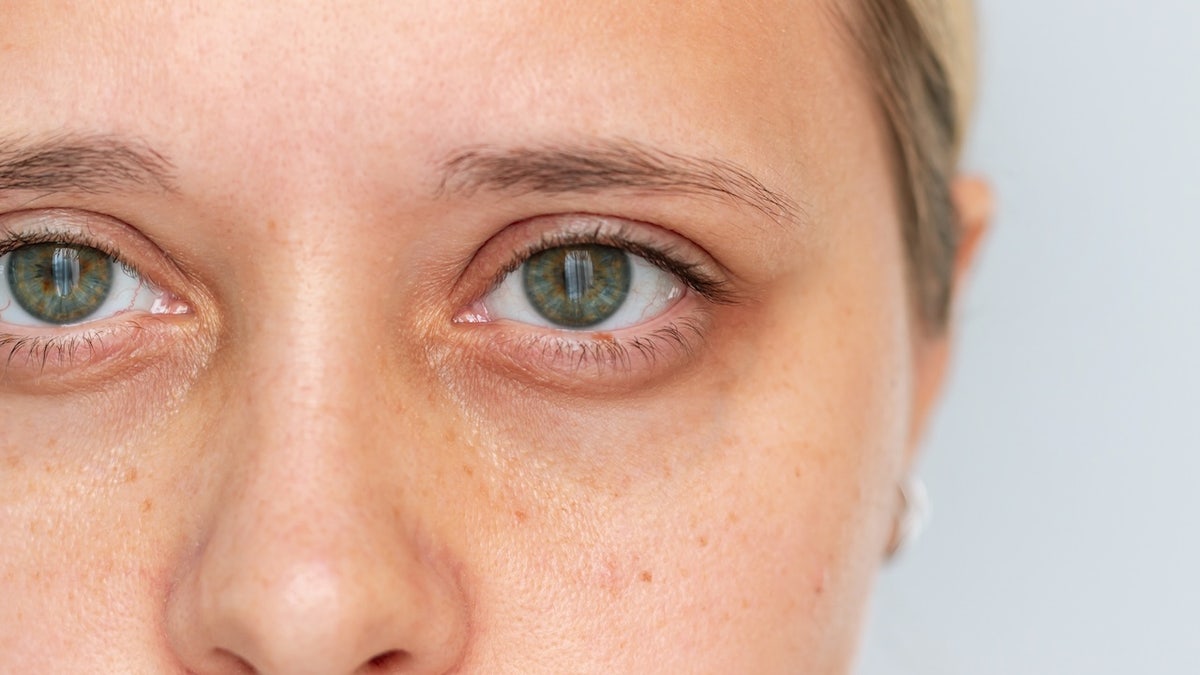
Dark under-eye circles may be viewed as more than just a cosmetic issue. Doctors suggest they might indicate low iron levels, a phenomenon often referred to as ‘ferritin face’ on social media. Medical experts acknowledge some truth to this trend, albeit with vital qualifications.
What is Ferritin?
Ferritin acts as the body’s ‘iron storage vault,’ according to Dr. Josef Hadeed, a double board-certified plastic surgeon. It is a protein that stores iron within the body’s cells, releasing it as needed.
Low ferritin levels impair the body’s ability to produce hemoglobin, the iron-rich protein in red blood cells responsible for oxygen transport,Dr. Hadeed explained.
Decreased iron levels can weaken skin elasticity, making tissue appear thinner and less resilient. Hadeed noted that low hemoglobin could cause skin to lose its healthy color, leading to more visible dark circles.
Recognizing Symptoms of Low Ferritin
Apart from pale skin and dark circles, several other symptoms might suggest low iron.
Dane Thomas, a hematology/oncology physician associate, identified symptoms including:
- Low energy
- Fatigue
- Dizziness
- Lightheadedness
- Headaches
- Fainting
- Brittle or thin nails
- Hair loss
- Ice cravings
- Restless legs syndrome
Thomas also pointed out symptoms like decreased exercise tolerance and concentration difficulties.
Additional issues include ear pounding, a sore tongue, rapid heartbeat, cold intolerance, and poor sleep, as noted by the American Society of Hematology.
Uncovering Underlying Conditions
‘Ferritin face’ may indicate underlying medical conditions such as chronic bleeding, gastrointestinal disorders, cancers, or malabsorption.
Thomas emphasized the rising cases of iron deficiency due to bariatric surgery, which impacts iron absorption. Over-the-counter medications like proton pump inhibitors and H2-receptor blockers may also contribute.
This is not something that someone should self-treat,Thomas highlighted, stressing the importance of identifying the root cause of iron deficiency.
Pregnancy, heavy menstrual bleeding, frequent blood donation, and diets lacking iron-rich foods also play roles, as noted by the American Society of Hematologists.
Approach to Diagnosis and Treatment
If low ferritin is suspected, visiting a doctor is crucial. Dr. Hadeed emphasized seeking professional consultation due to the body’s lack of a mechanism for excess iron excretion.
A simple blood test can determine iron levels. Additional assessments might include stool and urine tests or endoscopic examinations. Women may also need a gynecological evaluation.
Treating iron deficiency typically involves oral supplements, and in severe cases, intravenous iron or blood transfusions.
Oral iron’s main issue is gastrointestinal side effects, like nausea and constipation,Thomas pointed out.
He suggested taking iron supplements on alternate days to enhance absorption and minimizing side effects by avoiding simultaneous intake with calcium, dairy, and antacids.
A diet rich in iron can aid, according to the American Society of Hematology. Foods to consider include:
- Meats: beef, pork, lamb, liver, chicken, turkey, duck
- Seafood: shellfish, sardines, anchovies
- Leafy greens: broccoli, kale, collard greens
- Legumes: lima beans, peas, pinto beans
- Iron-enriched products: pasta, grains, rice, cereals
Hadeed stated that ‘ferritin face’ is reversible. Once iron levels normalize, the skin regains its healthy flush, and dark circles often fade in a few months.
Leave a Reply