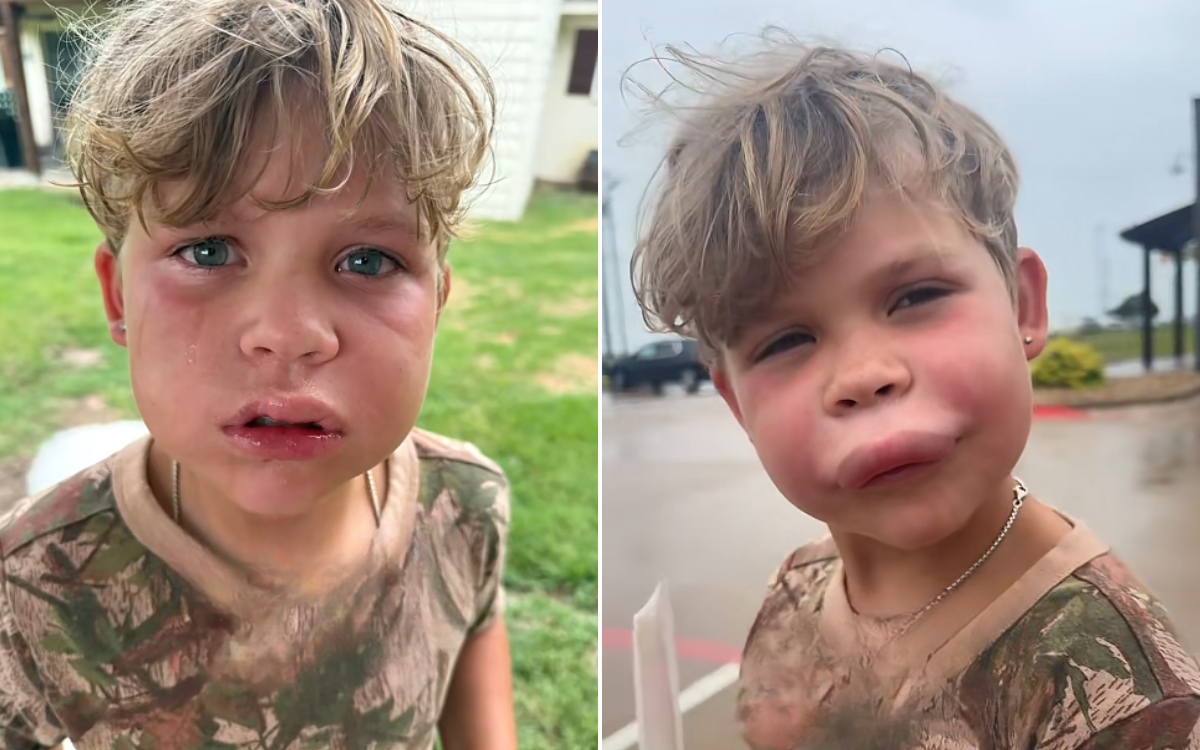
When Bailey Cary’s son, Oliver, encountered his first wasp sting, she initially remained calm. Oliver, returning from a local dock, believed he had disturbed a nest. He came home, reporting the sting, and Cary provided him with Benadryl and an ice pack.
For many, a sting from a bee, wasp, or hornet is commonplace. However, Oliver’s situation soon proved to differ significantly. Cary observed his face swelling quickly despite the initial treatment.
Even with that dose, his face started to swell at a rapid pace,Cary explained.He thought something might be wrong.
Oliver belonged to a small group for whom such stings pose substantial risks. According to the CDC, 0.5% to 3% of U.S. adults face a risk of systemic allergic reactions from stings. An estimated 10% experience significant local reactions, marked by noticeable swelling around the sting. Meanwhile, 0.3% to 3% of adults could suffer severe systemic reactions, including hives, breathing challenges, and anaphylaxis, with children generally being less susceptible.
Despite her panic, Cary maintained composure to prevent alarming Oliver.
His lip was huge at this point, but I didn’t want to make him panic,she recounted.I tried to downplay the situation on our way to our local urgent care.
At urgent care, Oliver received a steroid injection and recovered. His doctor advised a visit to an allergist for further testing.
Cary noted that this was Oliver’s first allergic reaction, leaving the family unprepared.
Cary’s quick response kept the situation under control, serving as a warning about the potential dangers stings can present. From 2011 to 2021, the CDC reported 788 deaths in the U.S. related to hornet, wasp, and bee stings, primarily due to severe allergic reactions rather than venom’s direct toxicity.
Cary advises other parents to stay alert.
I hope I’ve helped other parents become more aware of the dangers of potential unknown allergies,she remarked.I assumed being allergic to wasps and bees was genetic.
Now, Cary understands the serious implications of insect stings.
For further discussion, contact Newsweek editors Rebecca Flood and Emma Lee-Sang.
Leave a Reply