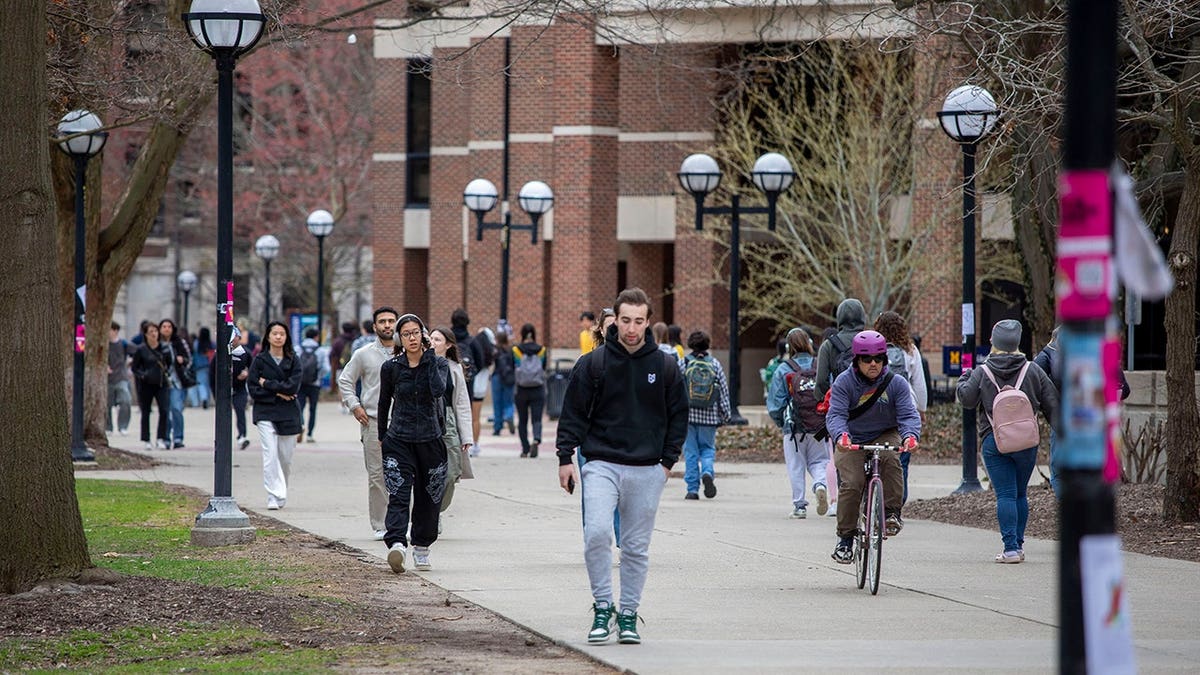
Starting in fall 2027, the University of Michigan will implement a novel grading policy for first-year students at the College of Literature, Science, and the Arts (LSA). During the initial semester, students will not receive traditional letter grades on their transcripts, but instead, their performances will be indicated by ‘pass’ or ‘no credit’. This initiative addresses the growing mental health concerns among college students.
The university aims to help new students adjust to college life and pursue academic interests based on personal motivations. Traditional letter grades will still be provided during the semester for internal use, such as academic advising and eligibility assessments. However, these will not impact students’ official transcripts or grade point averages.
This policy is designed to enable students to explore various subjects without the anxiety of long-term GPA consequences. It seeks to foster a collaborative educational environment instead of a competitive one.
Similar approaches have been seen at other institutions like the Massachusetts Institute of Technology, Swarthmore College, and the California Institute of Technology. The University of Michigan policy mandates participation for all LSA freshmen, dismissing an opt-out option to promote the intended supportive atmosphere.
Psychotherapist Jonathan Alpert raised concerns about the implications of this policy. Alpert warns that shielding students from discomfort might hinder their growth and preparation for post-college challenges. He believes experiencing setbacks, such as poor grades, is essential for developing resilience and is not indicative of a mental health crisis.
As the University of Michigan moves forward, perspectives vary on the effectiveness and potential consequences of this initiative. The debate on balancing mental health support with fostering resilience continues as schools adapt to students’ needs.
Leave a Reply