The recent escalation in the U.S.-Israeli conflict with Iran has led President Donald Trump to reconsider a memorandum of understanding (MoU) made weeks prior. This agreement aimed to foster peace by easing tensions with Iran. Initially, it offered relief by lifting blockades in the Strait of Hormuz and extending a ceasefire at a critical stage of the conflict.
Despite these early achievements, key issues remain unresolved. Mistrust and disagreements continue to plague both parties involved, hampering further negotiations. The MoU deferred resolving contentious issues between the U.S. and Iran, such as the nuclear file, while easing economic disruptions,
said Naysan Rafati of the International Crisis Group.
Comparison to the JCPOA
The Trump administration’s MoU draws comparisons to President Barack Obama’s nuclear deal, the Joint Comprehensive Plan of Action (JCPOA), signed in July 2015. This agreement lifted sanctions on Iran in exchange for nuclear program curbs. Trump ended U.S. participation in May 2018.
Approaching its eleventh anniversary, the JCPOA differs sharply from the MoU. Naysan Rafati noted, The JCPOA focused on nuclear restrictions in exchange for sanctions relief.
It involved intense negotiations and backing from major powers like China, France, and Russia.
Though it faced criticism, the JCPOA was a diplomatic victory. Its unraveling has emboldened skeptics. According to Alan Eyre, a former U.S. State Department official, The JCPOA showed Iran and the U.S. could find mutually satisfactory solutions through diplomacy,
but its collapse damaged trust.
The MoU’s Fragility
Iranian analysts have expressed doubts about U.S. commitments, viewing the MoU as an Iranian leverage victory. However, the agreement’s vague terms led to disputes over crucial points, including frozen Iranian assets and control over the Strait of Hormuz.
Continued clashes followed these disagreements. A key incident involved attacks on tankers in the Strait of Hormuz. Iran denied responsibility but claimed the vessels were unauthorized.
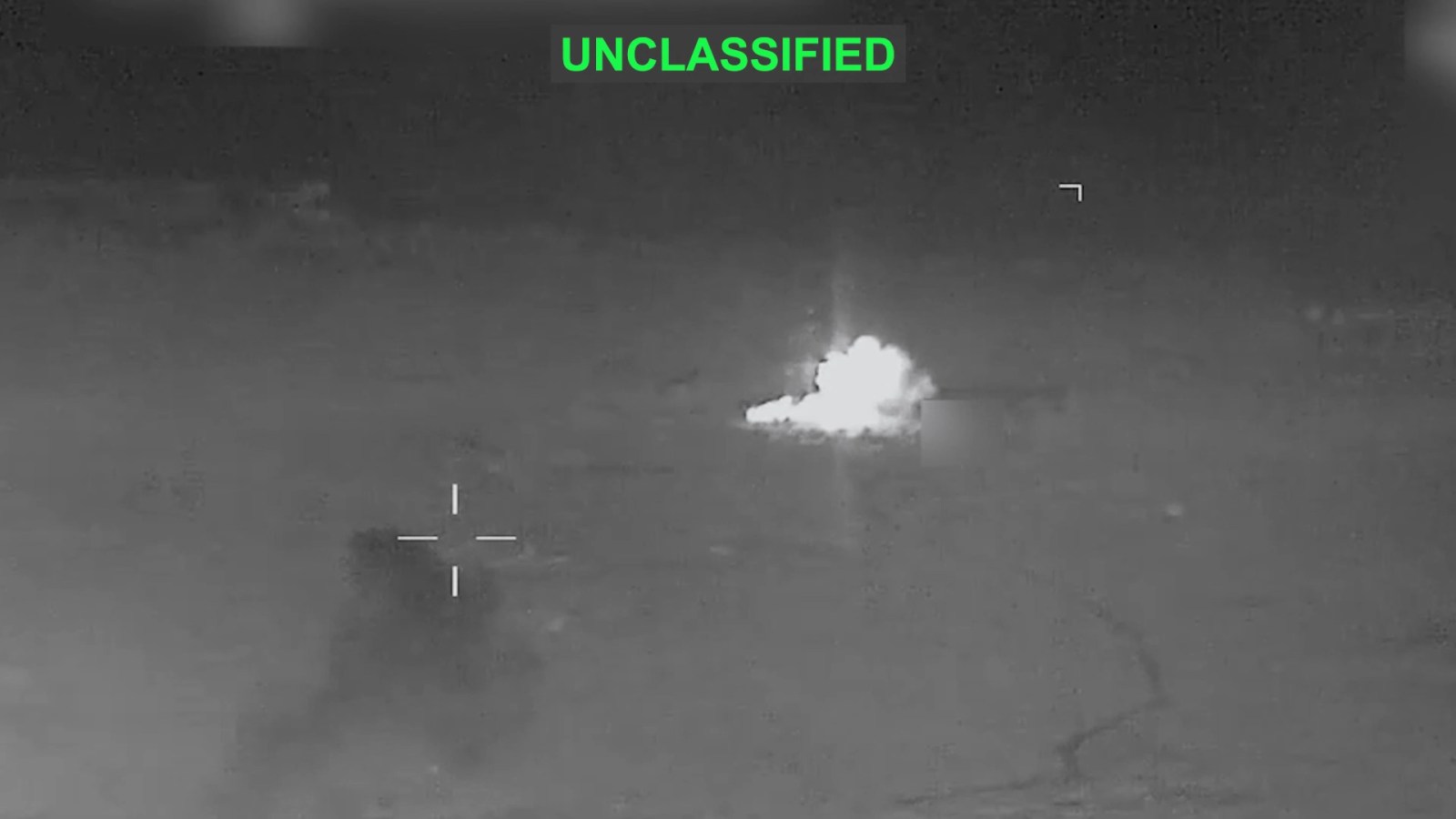
In response, U.S. forces struck over 80 military targets. Iran’s Revolutionary Guard announced operations against U.S. facilities. Trump, speaking at a NATO summit, hinted at further military action.
Future Uncertainty
The path to a U.S. victory remains unclear as Iran demonstrates resilience. The conflict’s prolongation poses risks for Republicans in future elections.
Despite early military successes, challenges persist. Iran’s ability to impact U.S. allies and energy markets reveals vulnerabilities. These factors led to the MoU’s negotiation.
Alan Eyre commented, The U.S. realized military success was insufficient and had caused Iran to close the Strait of Hormuz.
The goal was to reopen the strait despite deferring nuclear issues.
With little progress since the MoU’s signing, hopes for a lasting peace agreement have diminished. The U.S. aims to restore maritime traffic, while Iran seeks strategic deterrence,
Eyre concluded. Reaching a nuclear agreement remains unlikely.
Leave a Reply