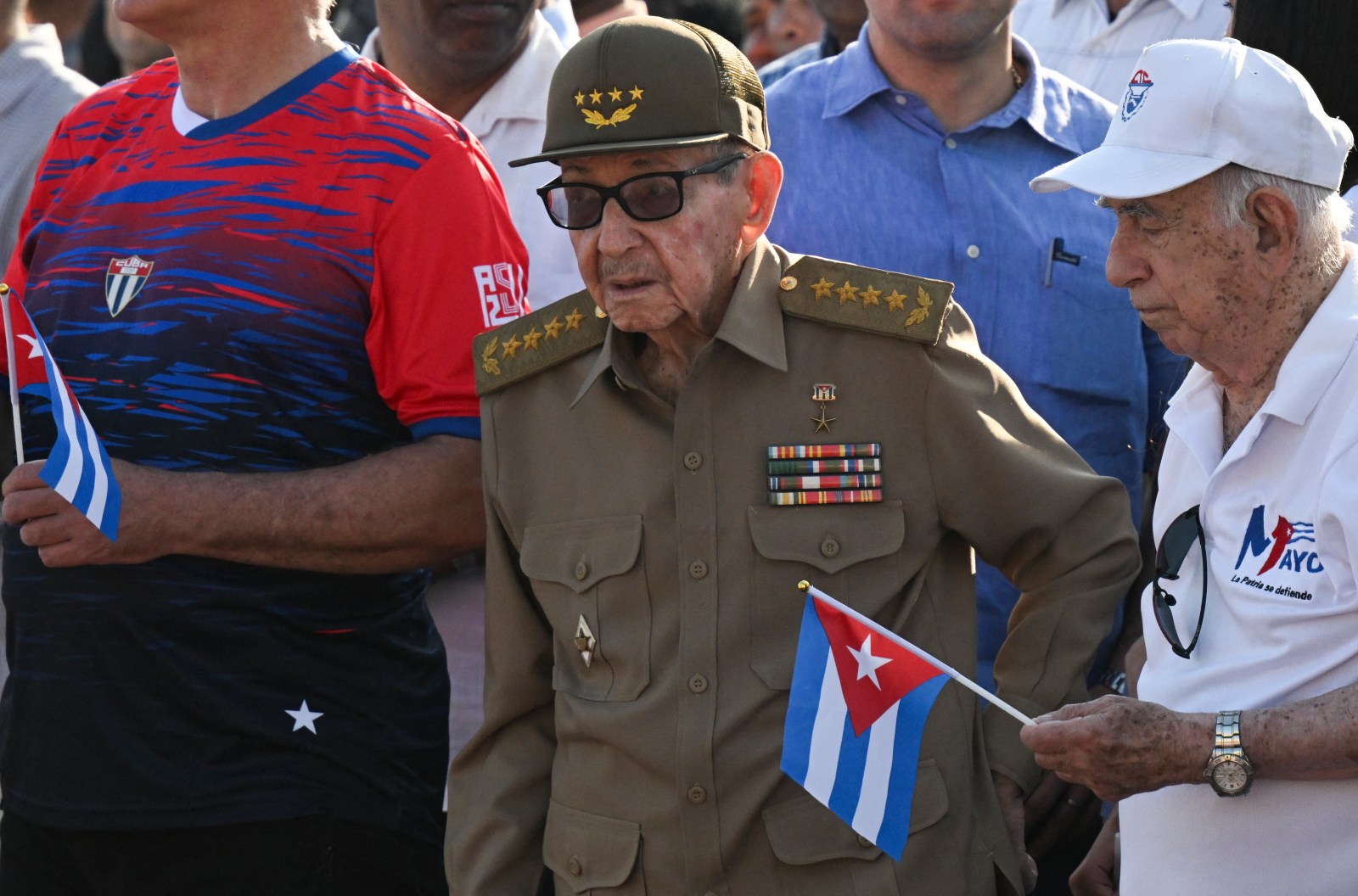
The United States has brought criminal charges against former Cuban President Raúl Castro. The charges relate to the 1996 shoot-down of two civilian planes that resulted in the deaths of four people. This action comes after months of pressure from the Trump administration on Havana.
Castro, now 94, was charged but remains beyond the U.S.’s jurisdiction in Cuba, making his arrest unlikely. As defense minister at the time, he allegedly ordered the attack on Brothers to the Rescue, a group conducting humanitarian missions. The indictment was initially drafted in the 1990s by Miami federal prosecutors, contributing to strained U.S.-Cuba relations and prompting a strengthened embargo against the island.
Details of the 1996 Incident
On February 24, 1996, two Cessna aircraft operated by Brothers to the Rescue were shot down by Cuban MiG fighter jets. These planes were performing rescue missions for Cubans trying to leave the island by raft. The incident resulted in the loss of three Americans and one Cuban American.
Cuba justified its actions by claiming the planes repeatedly violated Cuban airspace between 1994 and 1996. Cuba stated that it informed the U.S. State Department, the Federal Aviation Administration, and the International Civil Aviation Organization about each airspace breach. The U.S. maintained the planes were on legitimate missions in international waters.
Cuba’s Stance
The Cuban embassy contested the indictment, reiterating that the shootdown responded to repeated airspace violations. “Every one of the more than 25 territorial breaches was formally reported in writing,” the embassy stated on social media, emphasizing that diplomatic channels were thoroughly exhausted.
Trump’s Position and Potential U.S. Actions
President Donald Trump reacted to the indictment by condemning hostile foreign activities close to the U.S. mainland. He has not ruled out military interventions in Cuba, mentioning possible action to overthrow its government. Rubio, a Cuban American, offered aid to the Cuban people, attributing economic troubles to government mismanagement rather than U.S. policies.
Raúl Castro: A Brief Background
Raúl Castro played a key role in the Cuban revolution alongside his brother Fidel Castro in 1959. Serving many years as defense minister, he later assumed the presidency. Under his leadership, Cuba initiated reforms and improved international relations, especially during the Obama administration, briefly lifting its isolation.
Cuba’s Economic Woes Amid U.S. Pressures
With crippling power shortages and scarce resources, Cuba faces significant economic hurdles. The U.S. blockade has exacerbated energy crises following reduced oil supplies from Venezuela and threatened sanctions against oil providers. Energy access remains limited, with only brief daily electricity supplies available in some regions.
“The grid collapse feels familiar. But the heat is different. It’s unbearably hot. It makes people miserable and desperate,” a Havana resident shared, highlighting the severe conditions facing Cuban citizens.
Leave a Reply