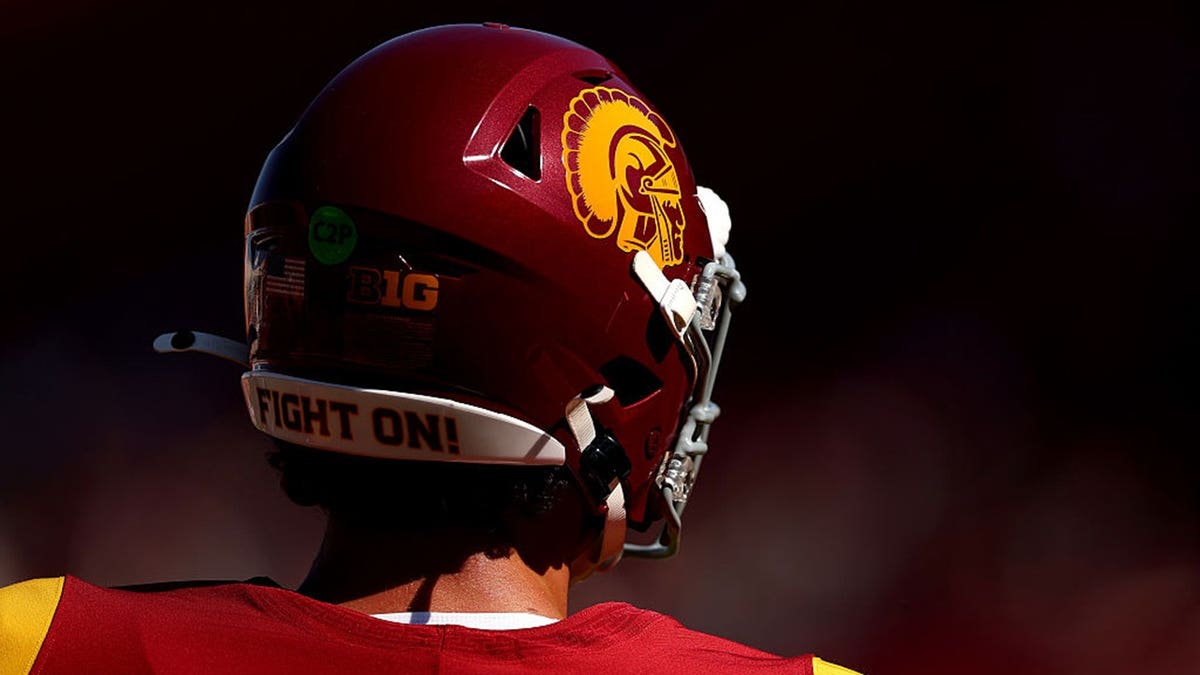
The USC Trojans have once again stumbled in their attempts to generate buzz around their football program using Greek literature. It seems they haven’t taken the time to properly understand the stories they’re referencing.
USC’s latest promotion involved using imagery from Christopher Nolan’s film adaptation of ‘The Odyssey.’ The program released a poster featuring their iconic Trojan helmet and the phrase ‘Our Odyssey begins August 29.’ While visually striking and currently relevant, the theme inadvertently highlights the defeat of the Trojans in the Trojan War.
‘The Odyssey’ recounts the journey of Odysseus, a Greek hero tasked with returning home after notably defeating Troy. By the start of this epic, the Trojans are a crushed people, with their city in ruins and their warriors defeated. This makes for less than ideal branding for a team aligned with such a name.
This misstep is not a first for USC. The team similarly erred in its promotional activities before the 2024 season. They released a hype video showcasing USC players emerging triumphantly from a Trojan Horse. Once again, there was a thematic mix-up. In the original story, it was the Greeks hidden in the horse who enabled victory, while the Trojans inadvertently orchestrated their own defeat by welcoming the horse inside their city gates.
After receiving criticism for the earlier mistake, USC appears to have repeated the error. They are now, once again, associating themselves with literature detailing their own downfall.
If you’re going to represent an institution with ties to ancient Troy, understanding these stories is crucial, especially when marketing a modern sports team.
Adding humor to the situation is USC’s choice of opponent for their ‘Odyssey’ kick-off. They face San Jose State on August 29, represented by the Spartans, another ancient Greek army.
While the mix of elements may seem ironically poetic, perhaps USC should reconsider any symbolic reliance on wooden horses or narratives of defeat.
Amber Harding from OutKick discussed these branding blunders, highlighting the need for more historical awareness in promotional activities tied to the Trojans’ legendary namesake.
Leave a Reply