The U.S. Department of Veterans Affairs (VA) has allocated nearly $112 million to community organizations nationwide. This initiative aims to address the high veteran suicide rate and assist former service members who do not engage with VA health care services.
Funding Overview
On September 29, the VA announced the distribution of $111.9 million in grants to 191 organizations. These funds come from the Staff Sergeant Parker Gordon Fox Suicide Prevention Grant Program, with availability starting in fiscal year 2027. Eligible recipients include nonprofits, local governments, federally recognized tribes, and other groups supporting veterans.
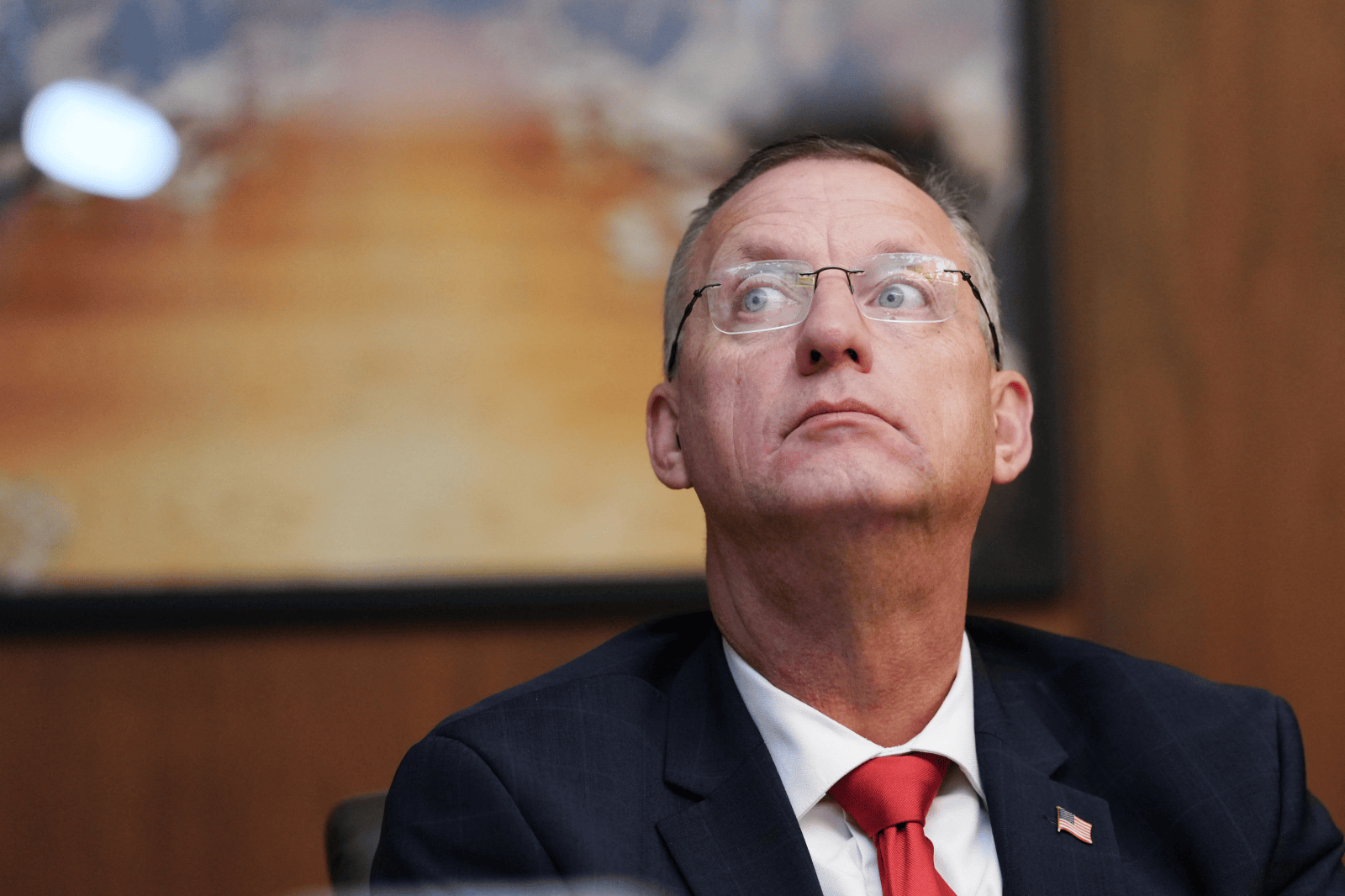
Community organizations are essential to reaching Veterans who might not otherwise seek VA care,
stated VA Secretary Doug Collins. VA’s Fox grant program bridges the gap between federal resources and vulnerable Veterans needing help.
Current Suicide Trends
The VA is facing concerning trends in suicide among former service members. The latest National Veteran Suicide Prevention Annual Report shows that 6,398 veterans died by suicide in 2023. This is a slight decrease from 6,442 in 2022. The average daily veteran suicides also declined from 17.6 to 17.5. However, suicide rates rose for both male and female veterans in 2023.
The suicide rate for male veterans increased from 37.3 to 37.8 per 100,000. Meanwhile, the rate among female veterans rose from 13.7 to 13.9 per 100,000. The report highlights that veterans aged 18 to 34, those experiencing homelessness, and individuals with chronic conditions face higher suicide risks. Notably, 61 percent of veterans who died by suicide in 2023 lacked VA-supported health care in the year before their death, emphasizing the need for community-based prevention efforts.
Purpose of the Grants
The Staff Sergeant Parker Gordon Fox Suicide Prevention Grant Program aims to enhance suicide prevention activities beyond clinical settings. It addresses factors contributing to suicide risk, such as social isolation, financial hardship, and inadequate care access.
Grant recipients provide services like suicide-risk outreach, mental health screenings, peer support, and emergency treatment referrals. The program specifically targets veterans not connected to VA health services and those in underserved areas. In 2025, about 17,000 veterans, service members, and their families benefited from these services, marking a 31 percent increase from the previous year. Additionally, 2,647 veterans not previously using VA services received health care and support resources.
State Funding Distribution
The VA confirms that $111.9 million will go to organizations across the U.S. California and Texas are the largest funding recipients, receiving about $10 million and $7 million, respectively. Florida follows with over $6 million, while New York will get around $4.3 million.
Since the program’s launch in 2022, more than $322 million has been awarded to 218 organizations in 49 states, U.S. territories, and Tribal lands.
Broader Prevention Strategies
The grant initiative forms part of the VA’s comprehensive suicide prevention strategy. In 2025, the Veterans Crisis Line managed more than 1.3 million calls, chats, and texts, increasing by 39 percent compared to the previous year. The VA also completed over 5.3 million suicide-risk screenings in the same year.
As the VA seeks to curb rising suicide rates, officials maintain that community-based grants are crucial for supporting veterans who might not visit a VA clinic but require assistance.
Leave a Reply