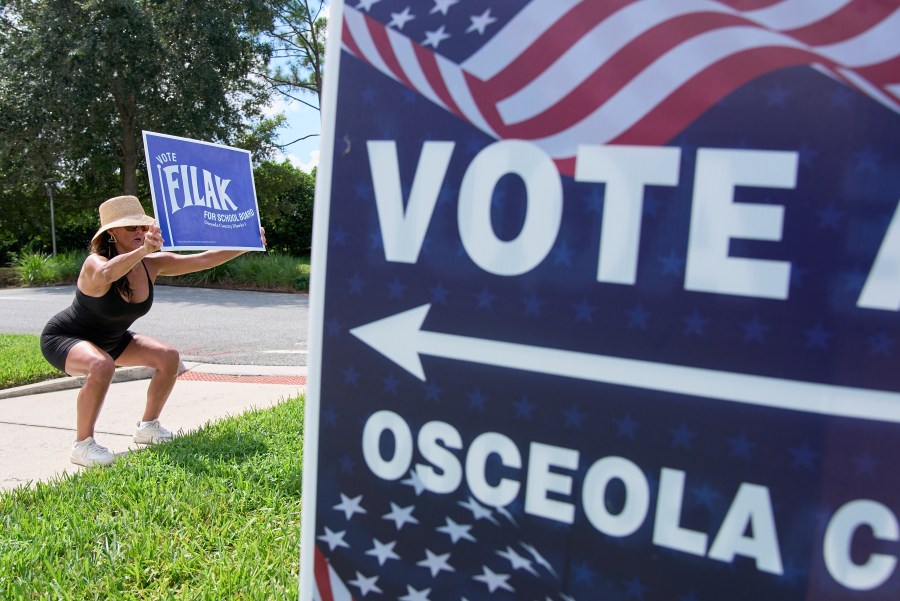
Campaign signs in your yard might express support, but some states restrict such displays at polling places. Over half of U.S. states ban campaign apparel while voting. Nearly all prohibit supportive signs, banners, or literature close to polling areas. These rules, highlighted by the National Conference of State Legislatures, aim to maintain neutral voting environments.
Understanding Electioneering Rules
Electioneering rules serve to prevent pressure or intimidation during voting. Quinn Yeargain, a law professor at Michigan State University, emphasizes these regulations ensure polling places remain neutral. They don’t restrict free speech but create a fair voting atmosphere.
Campaign Apparel Restrictions
Twenty-seven states ban campaign-related wearables, such as stickers, shirts, and buttons. Vermont voters must cover candidate paraphernalia. Similar rules exist in Michigan, Minnesota, and Texas. Vermont officials highlight that polling places are for voting, not campaigning.
States like Colorado, Louisiana, and Nebraska prohibit attire linked to candidates or ballot measures being voted on. Delaware, Georgia, and Oklahoma follow similar guidelines, banning support items within polling places.
Other states, including California, Indiana, and Iowa, have specific rules. Maryland and Iowa allow campaign-related clothing but with conditions on the duration spent near polling areas. New Hampshire and Alabama voters face instructions on removing or covering electioneering messages.
Virginia permits voters to wear campaign apparel, but election workers cannot.
Distance Regulations for Campaigning
Almost all states restrict electioneering at specified distances from polling locations. Massachusetts disallows these activities within 150 feet of polling sites. Georgia has similar regulations, while Nebraska sets the limit at 200 feet. Idaho mandates a 250-foot buffer.
Oklahoma requires a 300-foot distance, South Carolina sets 500 feet, and Louisiana demands 600 feet. Pennsylvania enforces a minimum of 10 feet from voting-room entrances, and Alabama prohibits campaigning within 30 feet of entry points.
Colorado, Minnesota, Texas, and West Virginia share a 100-foot rule for polling locations. New Hampshire outlines “no-electioneering corridors” with specific width and distance guidelines.
Before heading to the polls, check permitted campaigning distances near your voting site to ensure compliance.
Leave a Reply