History of Tribal Water Rights Negotiations
Native American tribes have long sought to secure their legal water rights, especially concerning the Colorado River. Negotiations lasting decades culminated in what could become the largest tribal water settlement in U.S. history. The Navajo Nation, Hopi, and San Juan Southern Paiute Tribes have been striving for a settlement to address their water needs and rights.
Opposition from Upper Basin States
Colorado, New Mexico, Utah, and Wyoming, known as Upper Basin states, oppose the settlement. These states resist because the agreement allows the Navajo and Hopi Tribes to lease water beyond their reservations. The conflict lies in broader concerns about resource allocation and future precedents set by leasing arrangements.
The Upper and Lower Basin states diverge on how they perceive water-sharing agreements. The Upper Basin states fear that leased water rights could diminish their current control over the resource. They worry it sets a precedent for leasing that could lead to cities like Phoenix, Los Angeles, or Las Vegas buying large water quantities.
Impact on Local Tribal Communities
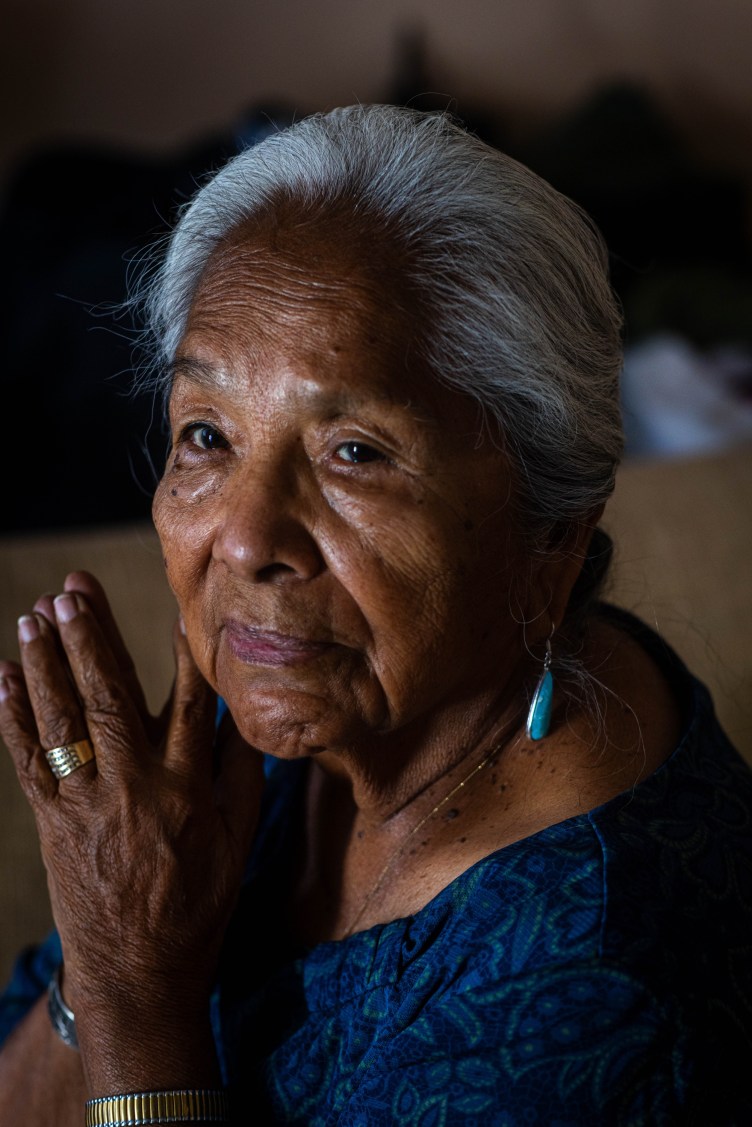
Within tribes like the Hopi, communities continue to struggle without proper water infrastructure. Marilyn Tewa from the Hopi Tribal Council exemplifies this struggle. Her family lacks running water, relying on hauled, untreated water for daily needs. They also use portable toilets due to missing plumbing infrastructure.
Tewa advocates for the settlement, which promises significant federal investment in water infrastructure. The financial package tied to the settlement includes about $5 billion to establish pipelines and treatment facilities necessary for adequate water supply.
Negotiations and Challenges
Congress has yet to approve the settlement, stymied by the lack of consensus amongst states and legislative bodies. The delay leaves tribes waiting for vital water resources to implement necessary community improvements, such as new housing and economic development.
The Navajo and Hopi have offered concessions, including limitations on water leasing, to facilitate settlement approval. They proposed leaving some water in depleted reservoirs, showing a willingness to compromise. Despite these efforts, the Upper Basin states maintain their opposition.
Historical Context and Legal Battles
The prolonged legal and political battles stretch back over a century. In 1908, a Supreme Court decision established that tribes were entitled to enough water to sustain their reservations. Still, securing those rights has proven difficult.
Ethel Branch, a former Navajo attorney general, highlighted tribes’ long-standing exclusion from water allocations, interfering with their ability to utilize water fully. The lack of direct involvement in key cases has prolonged the struggle for water rights recognition.
Symbolic Importance and Cultural Impact
The issue resonates deeply within tribal communities where water scarcity affects cultural practices. For the Hopi, whose traditions link rain and spiritual beliefs, securing water is pivotal for maintaining cultural heritage.
The ongoing droughts worsen water shortages, depleting springs used in ceremonies and agriculture. The tribes view the settlement as a critical solution to address these challenges, allowing aquifers and springs a chance to recover.
Current Legal and Political Climate
Complexities persist due to the intertwining of water rights negotiations with broader political landscapes. Political divisions increasingly influence the settlement discussion, with competing priorities within federal and state governments impacting progress.
Navajo, Hopi, and San Juan Southern Paiute leaders remain focused on reaching an agreement. They engage Congress in hopes of securing legislative approval before potential political changes alter current negotiations.
Protracted delays in achieving these settlements underscore significant historical disputes over water rights. Leaders continue advocating for recognition and action to address these long-standing issues crucial for their communities’ survival and cultural preservation.
Leave a Reply