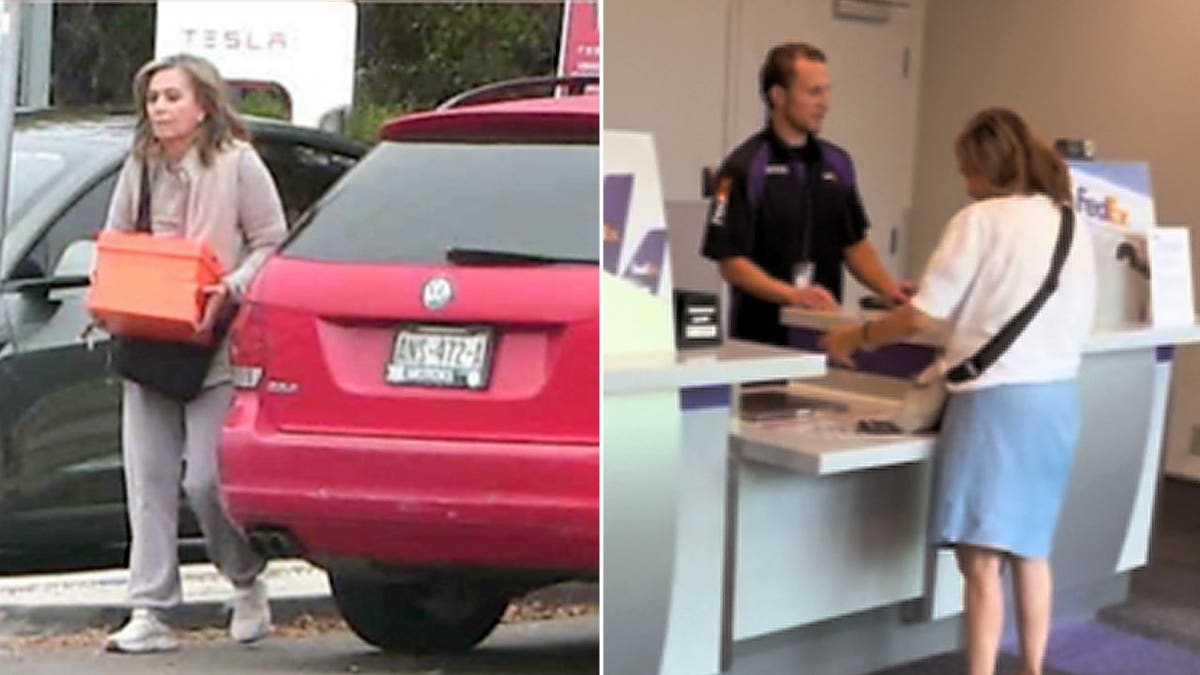
Federal prosecutors have arrested a woman identified as Georgina Bribiesca Chavez, a Tijuana resident, at the U.S.-Mexico border. The arrest occurred on August 10 as she attempted to enter the U.S. through the San Ysidro Port of Entry. Chavez was found in possession of 69 live animals allegedly hidden inside her vehicle.
U.S. Customs and Border Protection officers discovered these animals, including venomous vipers, caimans, and a baby crocodile, in pillowcases sealed with tape within a concealed compartment of her Volkswagen. Initially, Chavez told a CBP officer that she had nothing to declare, but a records check showed an outstanding warrant related to wildlife trafficking.
The animals were found during a secondary inspection the following morning after the vehicle had been seized. A closer look revealed pillowcases that were knotted and taped shut, concealing the animals. One of these pillowcases was visibly moving.
Border agents also uncovered an RPG launcher and a cache of rifles hidden in a vehicle heading to Mexico, indicating broader smuggling activities at this border.
Chavez, seen at a Carlsbad outlet shopping center and a San Diego shipping center during previous investigations, pleaded not guilty to federal charges. She was ordered held without bond. Her alleged collaborator, Salvador Pelayo, a Chula Vista resident, was arrested in July and similarly pleaded not guilty.
Both individuals have been involved in a wildlife trafficking operation crossing the U.S.-Mexico border since 2023, with an undercover investigation lasting approximately 18 months. This operation led by the U.S. Fish and Wildlife Service uncovered illegal sales of exotic animals for significant sums of money.
Chavez and Pelayo face charges under the Lacey Act, carrying penalties of up to five years in prison and a $250,000 fine. The investigation receives support from the National Oceanic and Atmospheric Administration and the California Department of Fish and Wildlife.
Leave a Reply