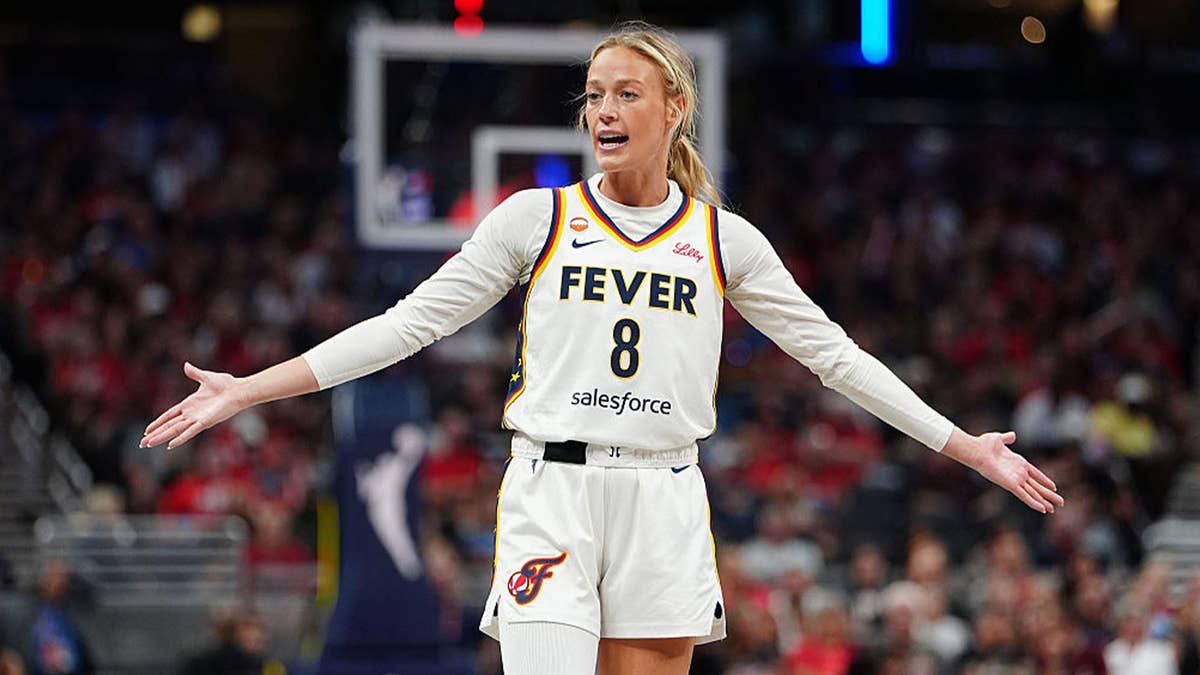
A recent WNBA game witnessed DiJonai Carrington of the Chicago Sky being ejected following a dangerous foul on Indiana Fever’s Sophie Cunningham. Carrington’s hit on Cunningham, which occurred as Cunningham was in mid-air for a layup, was penalized with a Flagrant 2 foul.
Following her ejection, Carrington posted on social media, accusing the opposing team of ‘white privilege.’ This reaction shifted the narrative from her reckless conduct to a racial argument. Instead of focusing on the foul, many in WNBA media rallied to Carrington’s defense, downplaying the incident.
Sophie Cunningham, playing for the Indiana Fever against the Chicago Sky on July 15, 2026, expressed her concern about the referee’s decision. Despite the attention on the incident, commentators like ESPN’s Andraya Carter rationalized Carrington’s actions as part of her playing style. Carter acknowledged that Carrington was out of position, causing the excessive contact, but justified it by stating, ‘that’s what DiJonai Carrington does.’
Cunningham, known for opposing male participation in women’s sports, seems to face heightened aggression in the WNBA. The incident raises questions about whether commentators show bias when aggression targets White players like Cunningham. In contrast, if a White player had fouled a Black opponent similarly, the response might differ significantly.
This isn’t Carrington’s first controversial moment. In 2024, she hit Caitlin Clark, resulting in a visible injury and subsequent public outrage. Carrington’s latest foul has sparked another debate, diverting attention from her accountability.
The key facts are simple: Carrington committed a foul serious enough for a Flagrant 2, then brought race into the conversation. Instead of scrutinizing her actions, significant media voices opted to explain them.
Player safety and media scrutiny should remain consistent, regardless of player demographics.
Leave a Reply